Search for More Stories:
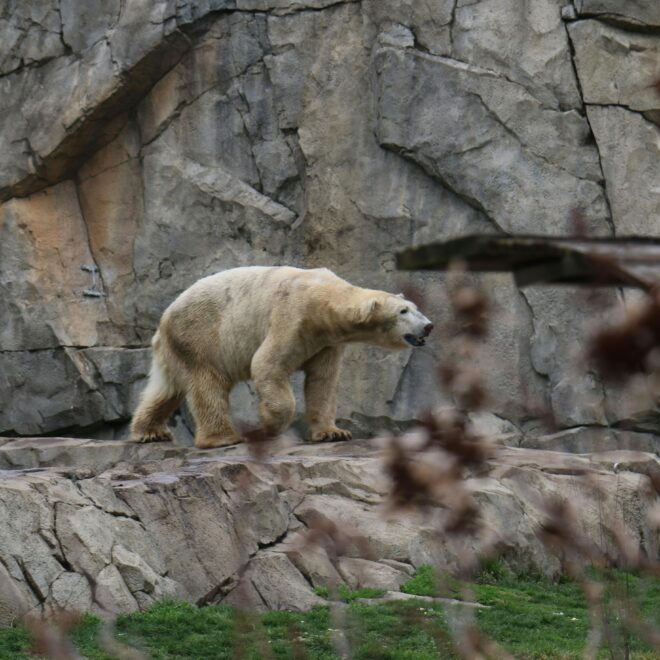
In the Gateway to the Arctic, Fat, Ice and Polar Bears are Crucial. All Three are in Trouble
By Seth Borenstein. Searching for polar bears where the Churchill River dumps into Canada’s massive Hudson Bay, biologist Geoff York scans a region that’s on a low fat, low ice diet because of climate change. And it’s getting lower on polar bears. There are now about 600 polar bears in the… SEE MORE
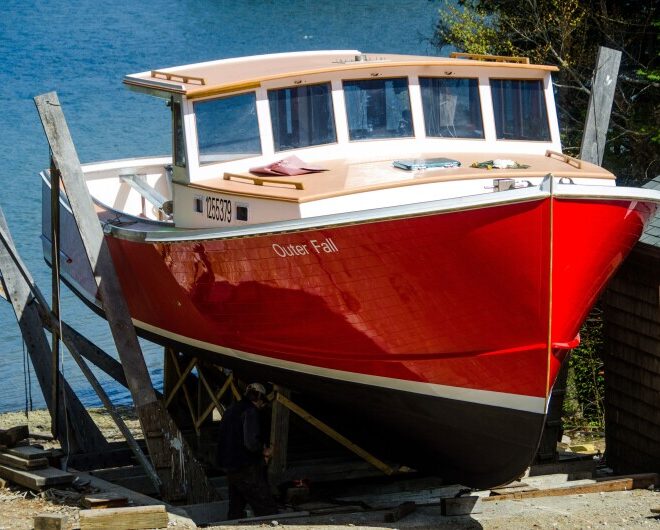
Boat of the Month: Outer Fall
By Paul Molyneaux The first time I ever saw Jimmy Tripp was in late 1982. Jimmy had his boat, the Day Star, loaded with big wooden Anderson traps and was heading offshore. It was snowing and the flakes vanished in the water of Spruce Head harbor. Tripp had his head sticking out… SEE MORE
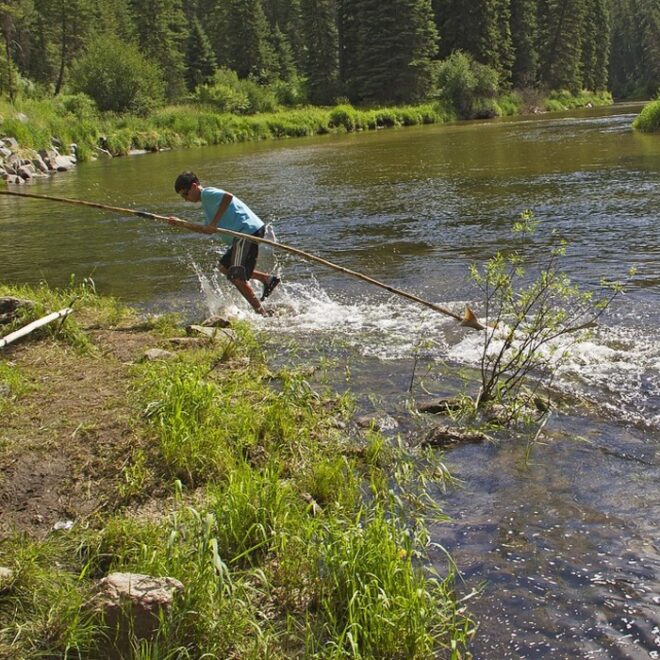
More Indigenous Youth are Learning to Spearfish, a Connection to Ancestors and the Land
By apnews.com. Ganebik Johnson started learning traditional Ojibwe songs when he was about 2 years old. He’d hang around listening to his uncle sing, or observe elders, or even pull up music on YouTube. Spearfishing came shortly after, at around age 7, when his grandfather took him out on a northern Wisconsin… SEE MORE
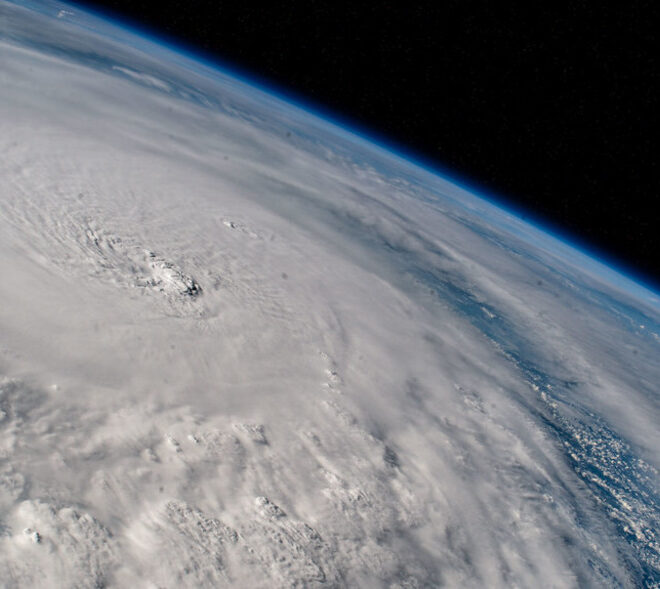
Hurricane Milton ‘explosively intensifies’ to category 5
By nationalfisherman.com. Hurricane Milton is headed toward landfall on the west coast of Florida in the early morning hours of Thursday, after suddenly growing into one of the most intense cyclones ever seen in the Gulf of Mexico. Widespread evacuation orders were issued in Florida coastal counties, ahead of the… SEE MORE
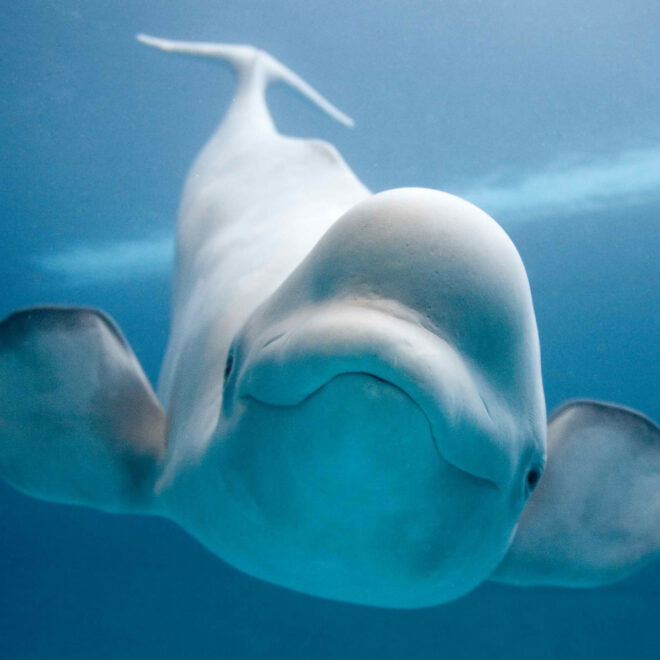
Offering a Dose of Healing, Curious Beluga Whales Frolic in a Warming Hudson Bay
By Seth Borenstein. Playful large white beluga whales bring joy and healing to Hudson Bay. Their happy chirps leap out in an environment and economy threatened by the warming water melting sea ice, starving polar bears and changing the entire food chain. Loud and curious belugas swarm boats here, clicking, nudging and frolicking.… SEE MORE
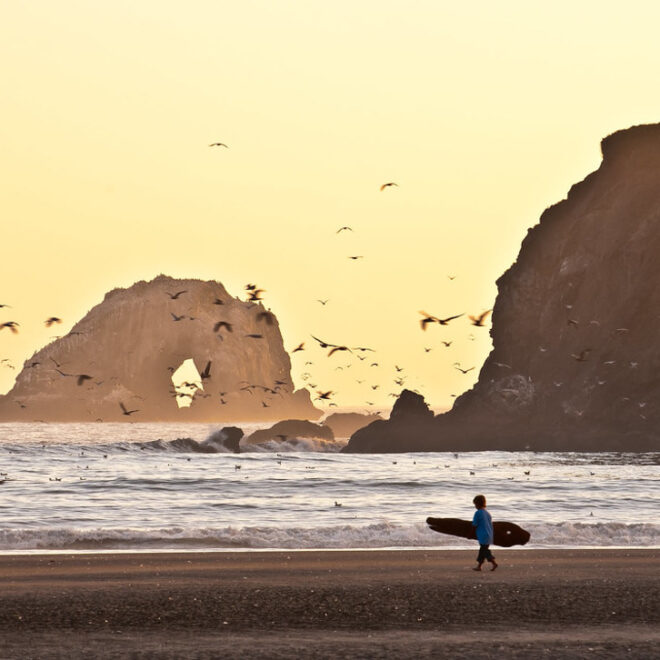
For at Least a Decade Quinault Nation has Tried to Escape the Rising Pacific. Time is Running Out
By Hallie Golden. Standing water lies beneath the home Sonny Curley shares with his parents and three children on the Quinault reservation a few steps from the Pacific Ocean in Washington’s Olympic Peninsula. The back deck is rotting, and black mold speckles the walls inside, leaving the 46-year-old fisherman feeling… SEE MORE
The Galapagos Islands and Many of Their Unique Creatures are at Risk from Warming Waters
By Alie Skowronski. GALÁPAGOS ISLANDS, Ecuador — Warm morning light reflects from the remains of a natural rock arch near Darwin Island, one of the most remote islands in the Galapagos. In clear, deep blue water, thousands of creatures — fish, hammerhead sharks, marine iguanas — move in search of… SEE MORE
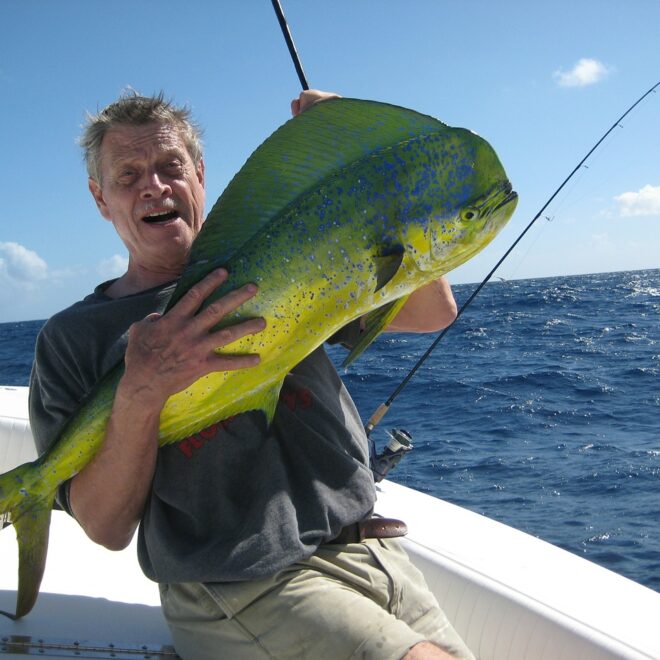
Huge Mahi Tops 30-Year-Old Record
By Nick Carter. Overnight charter breaks dolphin record that has stood for nearly 30 years. An angler on an overnight tuna and swordfish charter out of Narragansett, Rhode Island, caught the largest mahi-mahi the state has ever seen in late August. Fishing with Maridee Charters, angler Karl Mohr, of New York, battled… SEE MORE
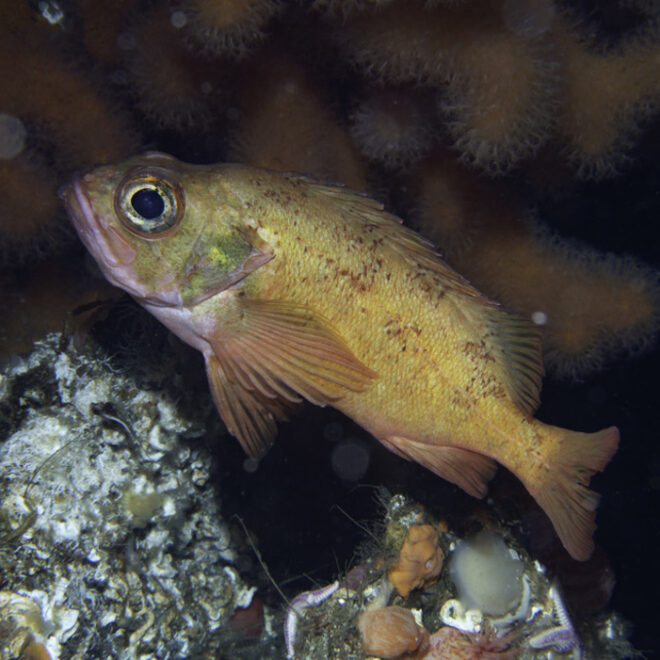
Fishing Crankbaits for Gulf Jetty Redfish
By Chester Moore. Fish lipless plugs around the rocks for early fall redfish fun. I eyed a spot at the southwestern tip of the Cameron, Louisiana, jetties and made a cast. My lipless crankbait hit the water. As the lure sank, I began my normal seven-count before making the first… SEE MORE
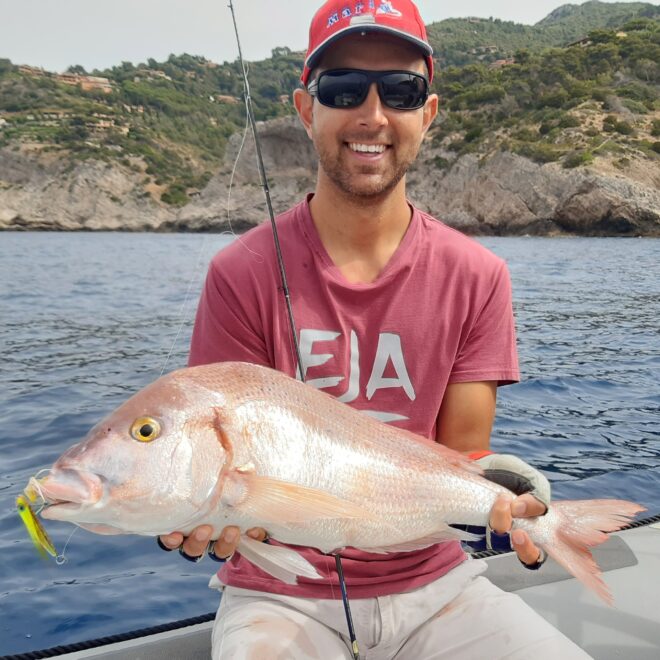
Harvest South Atlantic Red Snapper Now
By Nick Carter. Exempted Fishing Permits allow Florida anglers to keep out-of-season fish. Normally, harvesting 108 red snapper from the South Atlantic might be enough to earn you some jail time. Not if you have Florida Exempted Fishing Permits (EFPs). Studies being conducted on Florida’s east coast right now are… SEE MORE
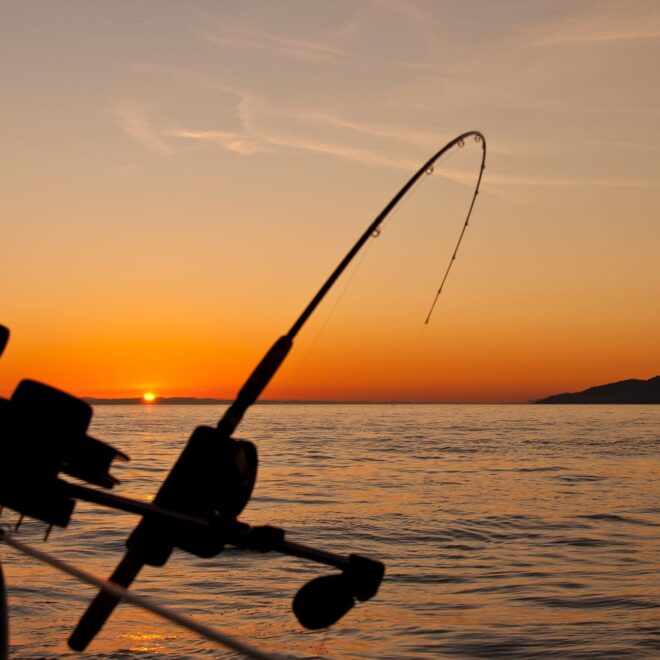
Why Fishing Rods Break
By Dave Lewis. Insight into what causes fishing rods to break can help save yours! Our panga wallowed in a hefty Pacific swell just a few hundred yards off a rocky peninsula while the skipper used the engine to hold us in a position. The trick was to be safe… SEE MORE
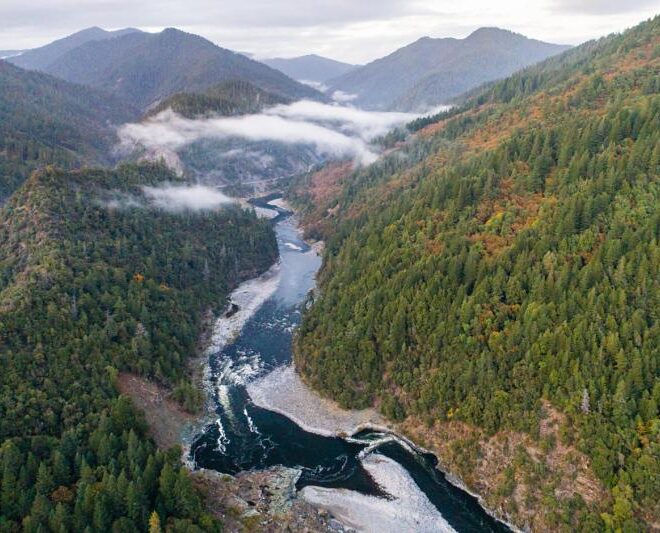
Final Step in Klamath River Dam Removal Opens Path for Returning Salmon
By fisheries.noaa.gov. NOAA Fisheries led coordination efforts to protect water quality. Heavy equipment removed the final obstacle separating the Klamath River from the Pacific Ocean on Tuesday. The reconnected river was turbid but remained safe for fish after crews took steps to avoid erosion and impacts to water quality. “These… SEE MORE