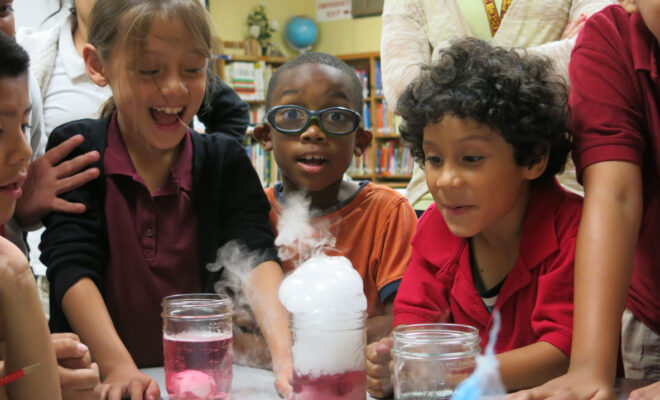
Students learn first hand about ocean acidification as part of a NOAA Climate Stewards Program in 2016. (Image credit: Dieuwertje Kast/ University of Southern California Joint Educational Project)

Federal Science Agencies Update the Nation’s Climate Literacy Guide

10/5/2024 - By noaa.gov. Guide to inform community decision-makers, workers, educators and students. Today, the U.S. Global Change Research Program (USGCRP) released the third edition of the nation’s climate literacy guide: Climate Literacy: Essential Principles for Understanding and Addressing Climate Change. The guide presents information that is important for individuals and communities to know and… SEE MORE
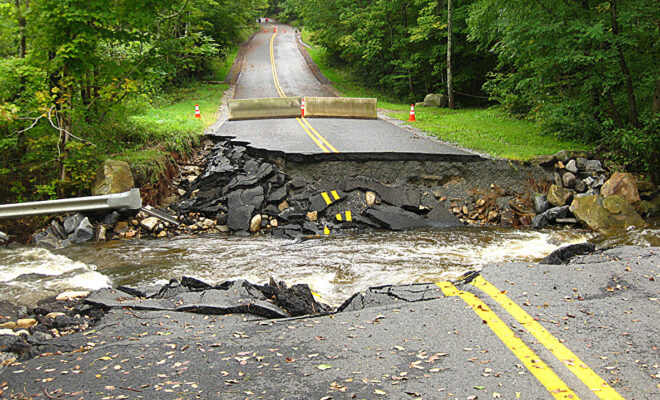
Extreme rain causes culvert washout at Walker Brook in Becket, Massachusetts. (Image credit: Photo courtesy Massachusetts Division of Ecological Restoration.)

Update to U.S. Precipitation Frequency Standards Now Accounts for Climate Trends

10/3/2024 - By noaa.gov. NOAA seeks stakeholder feedback on Precipitation Atlas 15 pilot data before expanding nationwide. A key scientific NOAA resource on extreme precipitation that is widely used by floodplain managers, city planners, civil engineers, developers and communities across the nation will soon include climate trend data. NOAA’s Precipitation Frequency Atlas of… SEE MORE
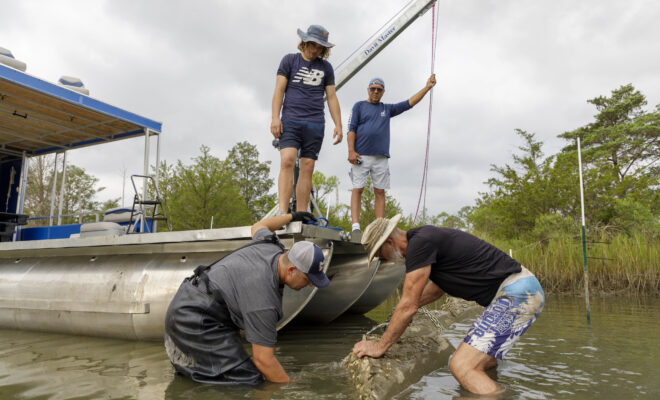
August 15, 2023: Workers from marine companies that focus on coastal resilience are installing oyster habitat, called oyster castles, made of oyster shells and concete in a channel of Whittaker Creek in Gloucester, Virginia, to support healthy oysters. (Image credit: Virginia Sea Grant

U.S. Commerce Secretary Gina Raimondo to Announce 9 Projects Across U.S. to Build a Climate-Ready Workforce

9/15/2024 - By noaa.gov. Media teleconference on innovative $60 million climate jobs project scheduled for June 11. On Tuesday, June 11, the White House, U.S. Secretary of Commerce Gina Raimondo will announce the selection of NOAA’s nine projects taking place across the nation that will train and place Americans in good-paying jobs… SEE MORE
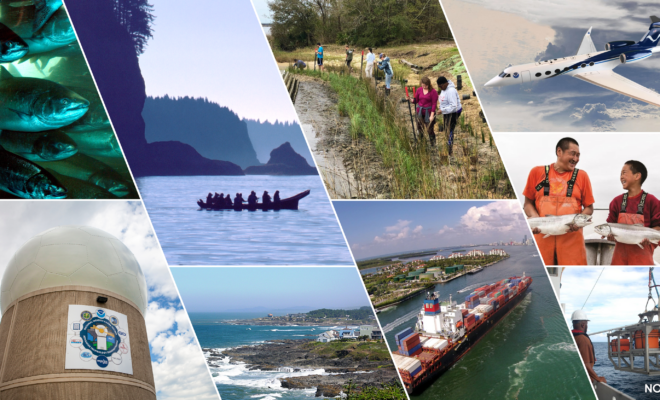
A photo collage highlighting some of the initiatives from NOAA's Inflation Reduction Act investments. (Image credit: NOAA)

7 Ways the Inflation Reduction Act and NOAA are Helping Communities Thrive in Face of Climate Change

9/14/2024 - By noaa.gov. Since the passage of the historic Inflation Reduction Act (IRA) in 2022, NOAA has received an unprecedented $3.3 billion and invested billions into projects that help ensure America is better able to prevent and adapt to our rapidly changing climate and the weather and climate disasters that the nation continues to… SEE MORE
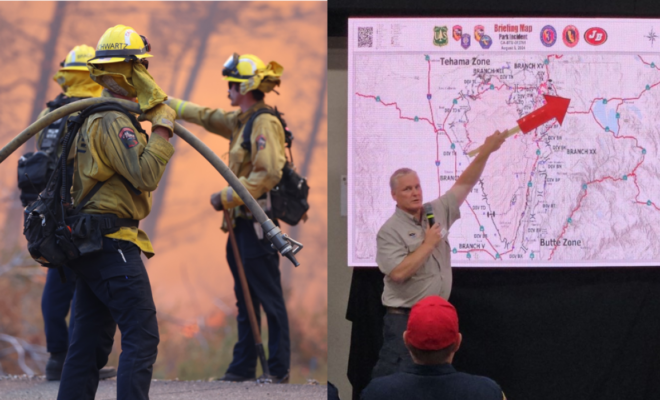
July 25, 2024: Emergency responders on the scene at the California Park Fire. Right: August 8, 2024: National Weather Service Incident Meteorologist Ryan Walbrun briefs the CalFire Incident Management Team on smoke trajectory and impacts while deployed on the Park Fire. (Image credit: Left: California Department of Forestry and Fire Protection (CalFire); Right: NOAA.)

It’s not Just Hot Air: Improved Air Quality Model Aids Forecasters in The Field

9/13/2024 - By noaa.gov. Imagine you’re a NOAA weather forecaster in the field during a raging, rapidly-spreading wildfire. Your title is incident meteorologist (or IMET), and your job is to support agencies and emergency responders who fight these devastating blazes by providing accurate weather forecasts. Your forecasts help determine a variety of factors about… SEE MORE
Red and yellow maple leaves with a light covering of snow.

Fall Safety: Prepare for Wildfires and Pending Winter Weather

9/12/2024 - By noaa.gov. Get ready for autumn by planning for seasonal weather hazards Fall may bring images of changing leaves, football games and pumpkin patches to mind, but as we prepare for these annual autumn favorites, it’s also time to prepare for potential weather hazards. This fall, NOAA’s National Weather Service… SEE MORE
Image Credit: Wikimedia Commons.

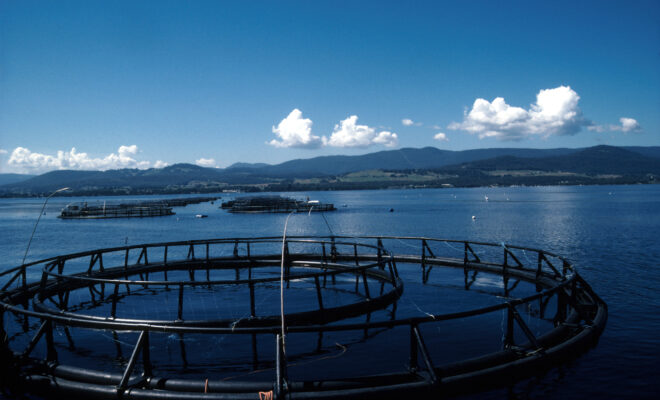
Saltwater Aquaculture Is More Climate-Friendly than Freshwater Aquaculture

9/3/2024 - By Barbara Pinho. As the aquaculture industry grows, new research finds that seafoods raised in marine waters have a smaller carbon footprint than those raised in fresh water. The world’s aquaculture industry is booming. And it’s no wonder—overfishing in the open ocean has caused populations of many commercially caught fish… SEE MORE