Image Credit: doi.org.

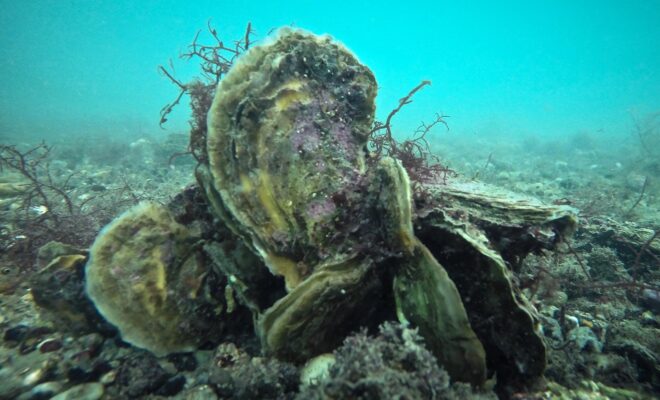
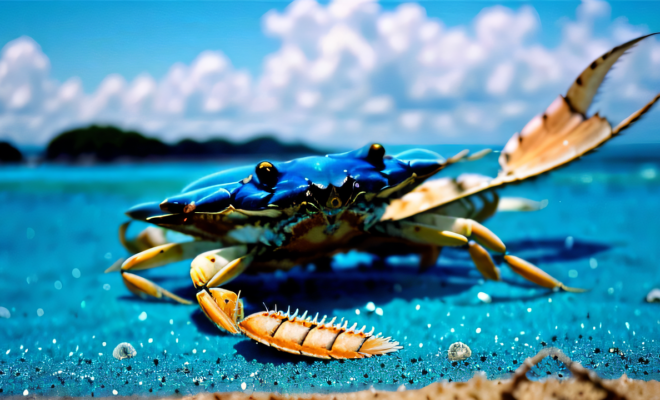
The ocean is becoming too loud for oysters, research finds

8/2/2024 - By sciencedaily.com. Baby oysters rely on natural acoustic cues to settle in specific environments, but new research from the University of Adelaide reveals that noise from human activity is interfering with this critical process. "The ocean's natural sound is gradually hushing due to habitat loss, leading to a quieter natural… SEE MORE
Image Credit: Wikimedia

Climate change causing more change in rainfall, fiercer typhoons, scientists say

7/30/2024 - By David Stanway. Climate change is driving changes in rainfall patterns across the world, scientists said in a paper published on Friday, which could also be intensifying typhoons and other tropical storms. Taiwan, the Philippines and then China were lashed by the year's most powerful typhoon this week, with schools, businesses and… SEE MORE
mage of a harmful algal bloom in Lake Erie as seen from the NOAA/NASA Suomi-NPP satellite on August 16, 2015. The Ocean Color Instrument on GeoXO will overcome the limitations of low-Earth orbiting satellites whose observations are often affected by cloud cover and sunglint. [Credit: NOAA]

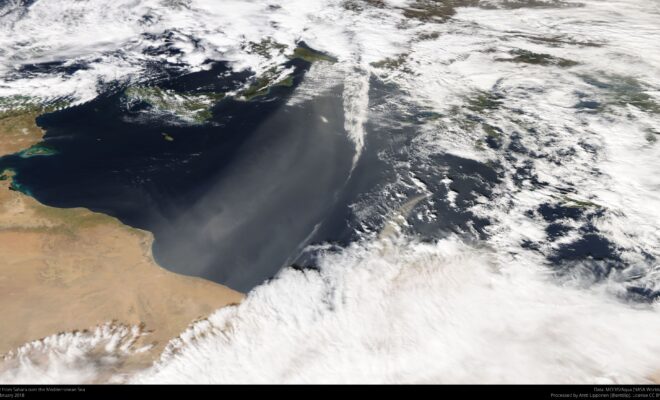
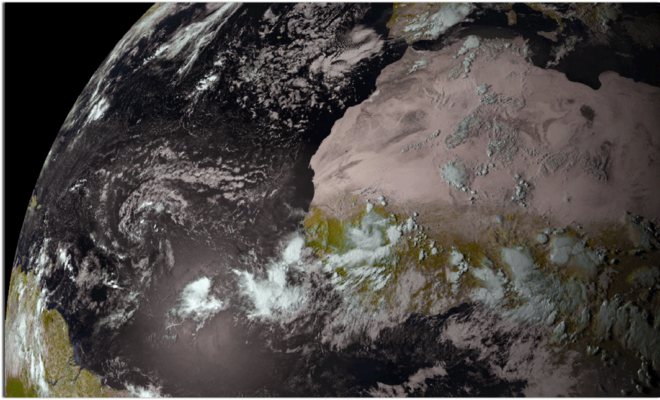
GeoXO’s OCX Instrument Will Be Game Changer for Satellite Ocean Observations

7/26/2024 - By nesdis.noaa.gov. After nearly 50 years of GOES satellites providing critical Earth-observing data and imagery, NOAA is working on its next generation series of advanced geostationary satellites—the Geostationary Extended Observations mission, or GeoXO. GeoXO will host a payload of new instruments that will provide unprecedented information for addressing our changing planet… SEE MORE