Search for More Stories:
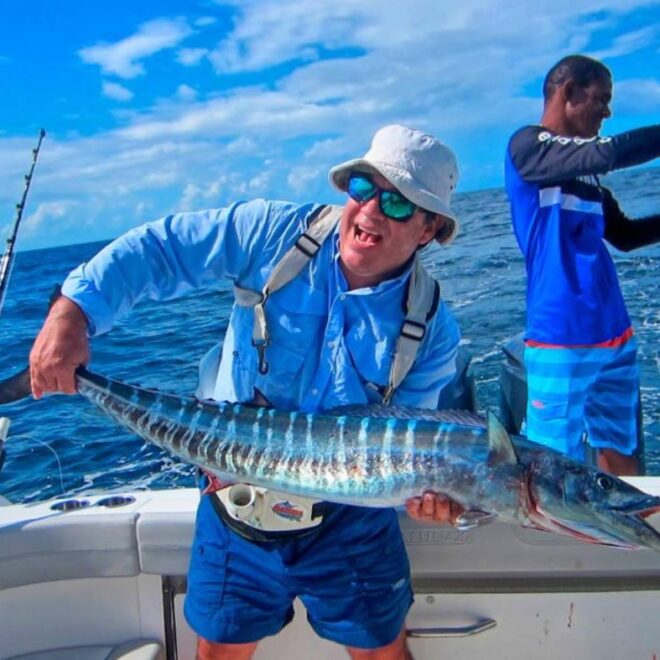
Improve Your Fishing with Satellite Mapping
By Louis Chemi. Satellite imagery helps you home in on the water conditions preferred by pelagic species such as tuna, dolphin, wahoo and billfish. My alarm rudely interrupted my sleep at 2 a.m. I launched from slumber and headed for my laptop on the table in the salon. Within a… SEE MORE
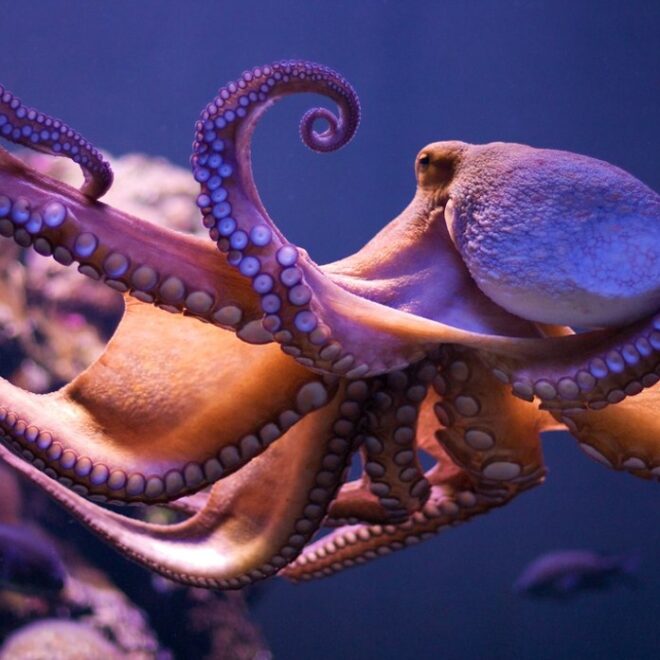
Alaska Board of Fisheries Approves Octopus Fishery in Prince William Sound
By Nathan Strout. Commercial fishermen in Prince William Sound, Alaska, could soon be able to harvest octopus after the Alaska Board of Fisheries voted to allow a directed fishery at its recent December meeting. Commercial fishermen are already allowed to catch octopus as bycatch in both Prince William Sound and… SEE MORE
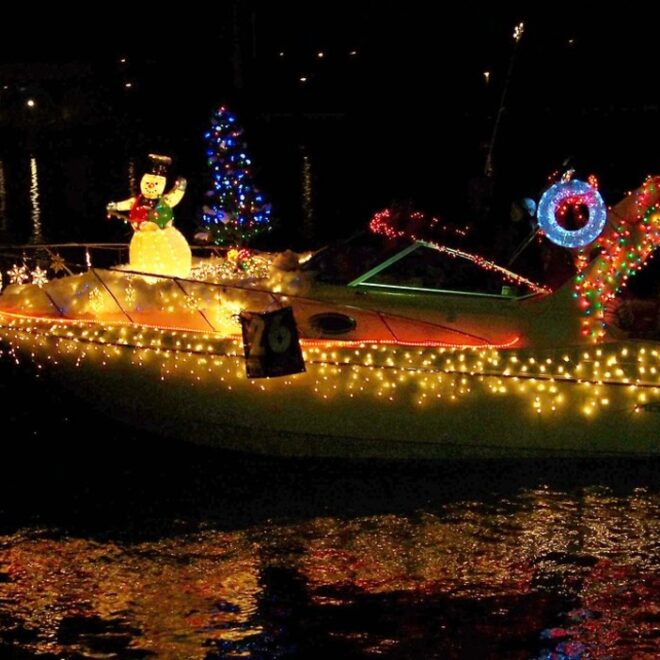
Portland Parade of Lights Celebrates Holiday Cheer
By Carli Stewart. Portland, Maine’s waterfront came alive on Dec. 14 as the annual Parade of Lights delighted locals and visitors alike. Against the backdrop of a full moon and Bug Light’s familiar beacon, vessels of all shapes and sizes, from lobster boats, ferry boats, and sailboats, dazzled onlookers with… SEE MORE
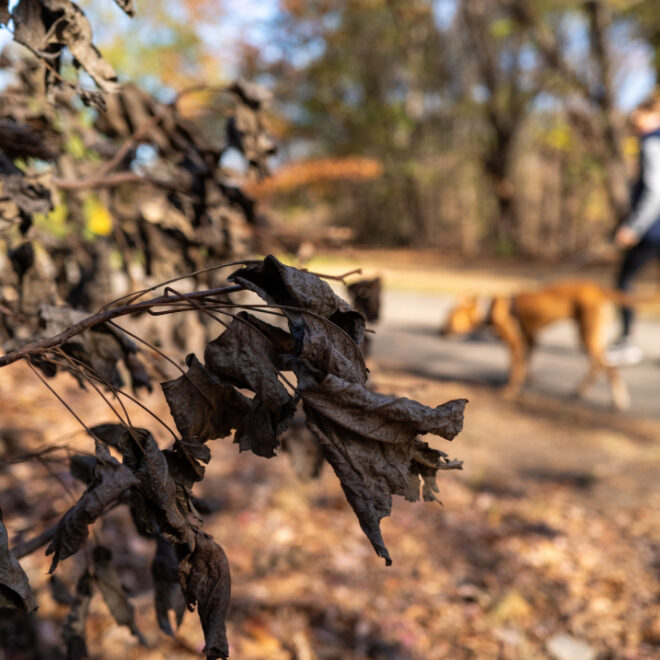
Fall 2024 was Nation’s Warmest on Record
By noaa.gov. Last month wrapped up a record-warm meteorological fall across the U.S. This year-to-date period is also running as the nation’s warmest on record, according to scientists from NOAA’s National Centers for Environmental Information (NCEI). Below are highlights from NOAA’s U.S. climate report for November 2024: Climate by the… SEE MORE
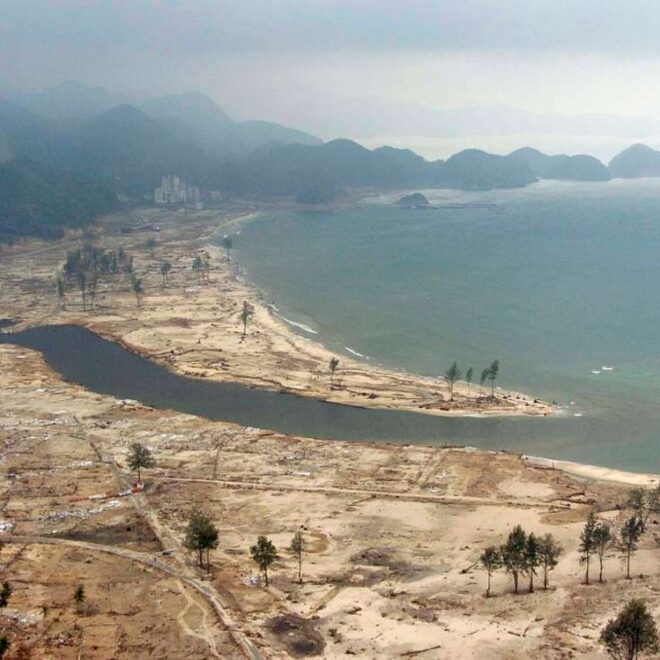
The Science Behind Tsunamis
By noaa.gov. A tsunami is a series of waves generated by a large and sudden displacement of the ocean. Large earthquakes below or near the ocean floor are the most common cause, but landslides, volcanic activity, certain types of weather and meteorites can also cause tsunamis. Tsunamis radiate outward in… SEE MORE
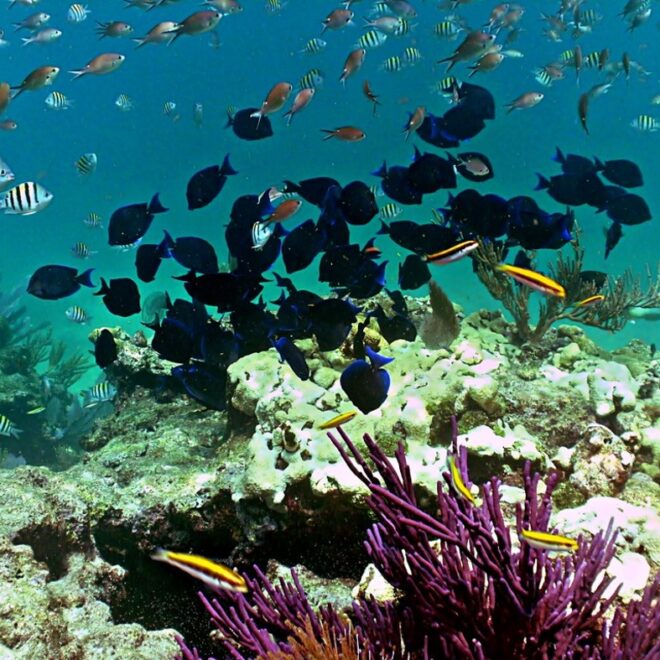
NOAA Releases Final Restoration Blueprint for Florida Keys National Marine Sanctuary
By noaa.gov. After years of devastating impacts to the marine environment in the Florida Keys, the long-awaited Restoration Blueprint for Florida Keys National Marine Sanctuary will be published as a final rule in January, following today's release of the final environmental impact statement and management plan. The documents outline NOAA's regulatory… SEE MORE
Biden-Harris Administration identifies 4 Business 'Accelerators' to Boost the Blue Economy
By noaa.gov. Ocean entrepreneurs to spur new technology, services that strengthen our coasts. The Department of Commerce and NOAA announced today that it is recommending awards totaling $54.3 million to four organizations to support small businesses and entrepreneurs. Organizations will use these funds to bring to market solutions that will… SEE MORE
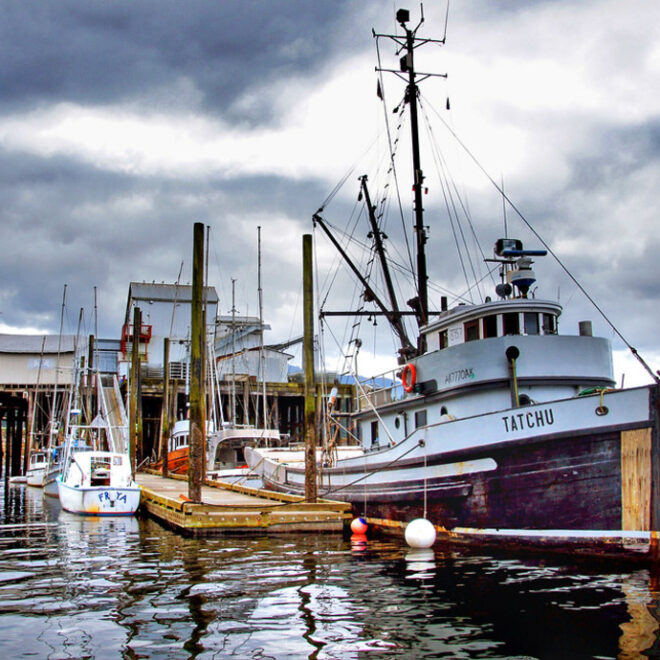
The Current State of Alaska Fisheries
By Ben Hayden. The state of Alaskan fisheries was discussed at this year’s Pacific Marine Expo. The panel featured Senator Gary Stevens, president of the Alaska State Senate, Jeremy Woodrow, executive director of Alaska Seafood Marketing Institute, and Nels Ure, deputy director of Commercial Fishermen for Bristol Bay. Senator Stevens began the discussion,… SEE MORE
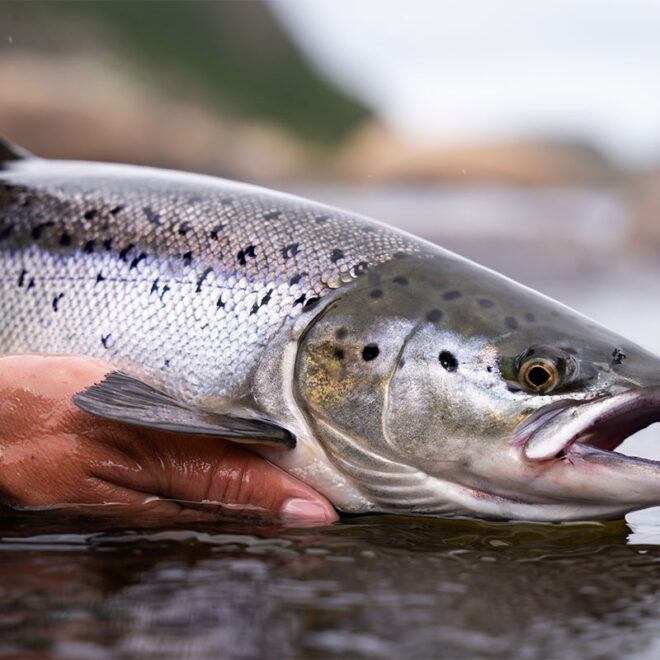
Sitka’s Salmon Bonanza
By Shawn Bean. A legendary fishing lodge in Southeast Alaska provides incredible access to the annual salmon migration. The brown bear 20 yards away is living its best life. The gravel road provides an elevated perch to watch, with great awe, a bear in a creek up to its neck,… SEE MORE
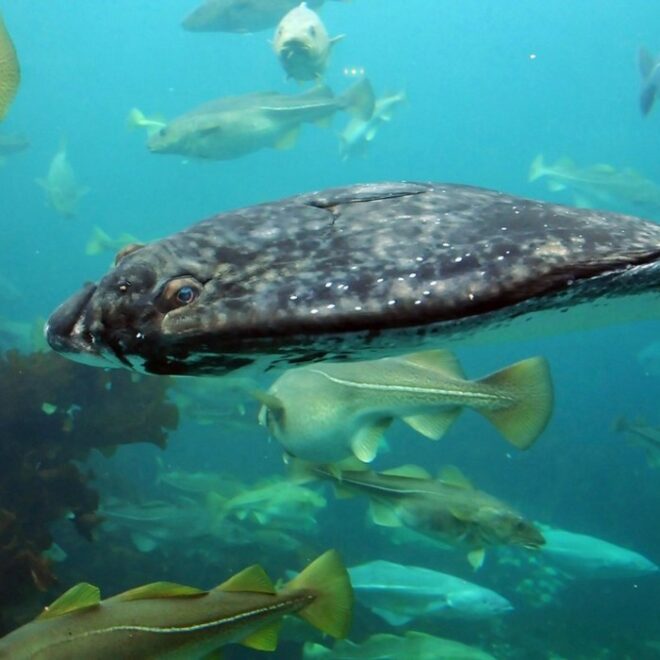
Atlantic Halibut Fishing- The King of Flatfish
By Kade Gewanter. From collapse to slow comeback for Atlantic halibut in the Gulf of Maine. The frigid seas of the Gulf of Maine are home to a diverse blend of bottom fishing opportunities, with species such as cod, haddock, and pollock routinely filling anglers’ boxes. However, famed Atlantic halibut are also… SEE MORE
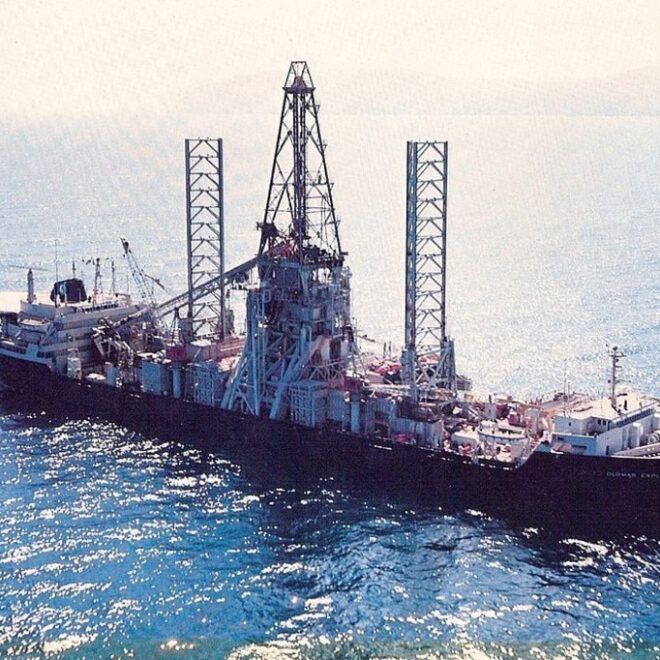
How, Exactly, Could Deep-Sea Mining Benefit All of Humanity?
By Elham Shabahat. A tiny working group within the International Seabed Authority is wrestling with a daunting question. When Arvid Pardo, a Maltese diplomat, took the floor at the United Nations General Assembly in New York in 1967 and began speaking at length on international law, the room was sparsely populated. Pardo… SEE MORE
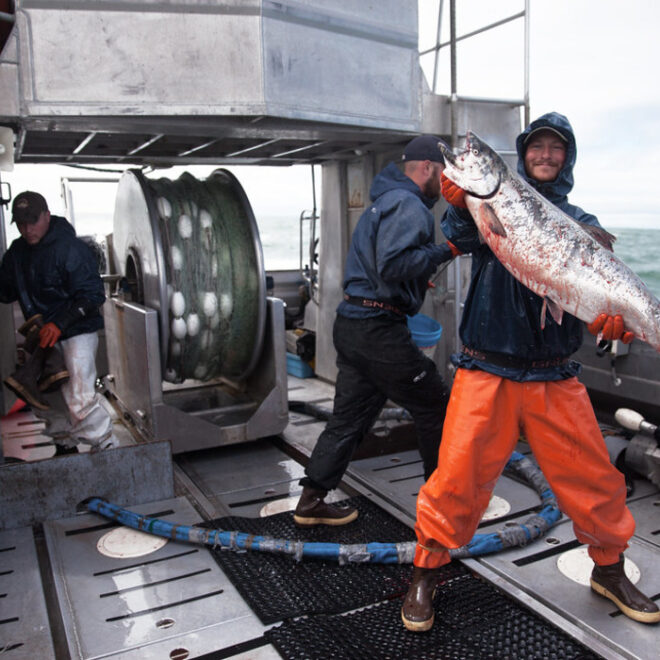
Building the Next Generation of Commercial Fishermen
By Carli Stewart. From Alaska's icy waters to the Gulf of Mexico's warm tides, commercial fishing is critical to the economy and to support coastal communities. With a graying fleet and evolving challenges, the industry’s leaders are stepping up to mentor, train, and inspire the next generation. The Workforce Development… SEE MORE