Search for More Stories:
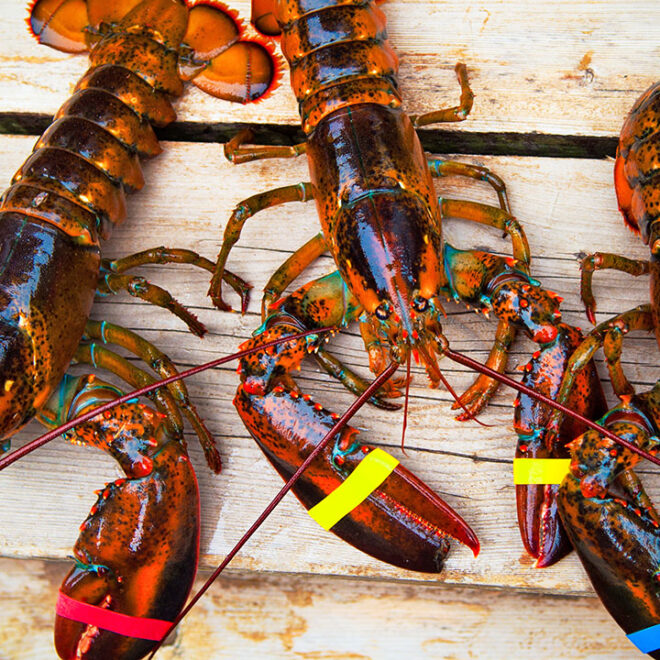
Lobster Community Address Increase to Lobster Size Limits
By Carli Stewart. The Lobster Institute's U.S.- Canada Lobster Town Meeting took place in mid-January to open dialogue within the lobster industry in the Northeast of the United States and Canada. The event included various industry members, including commercial fishermen, scientists, policymakers, managers, and association representatives. Together, these individuals came… SEE MORE

Take Your Head out of the Clouds to View the 2024 Total Solar Eclipse
By ncei.noaa.gov. Spring is on its way and “springing into action” means more than just the seasonal cleaning spree. You can also use your time to see one of the best outdoor events of the year—the total solar eclipse! We know, we know, the lyrics from ‘total eclipse of the… SEE MORE
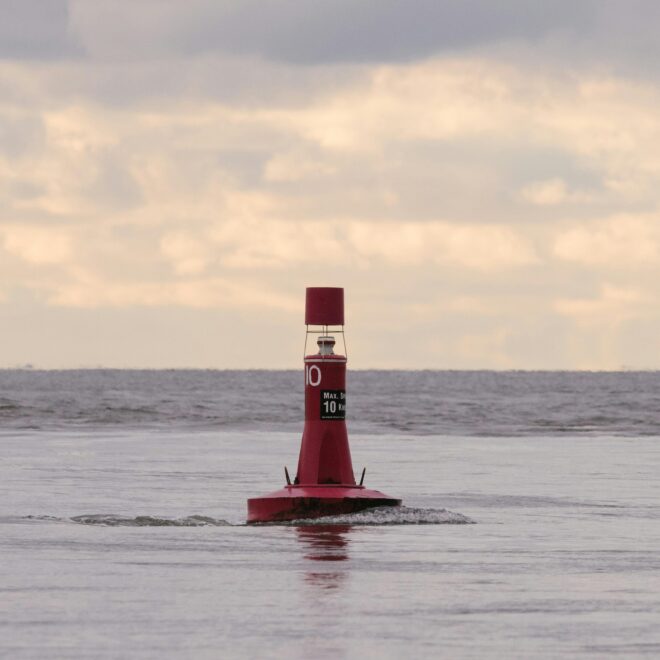
Understanding Navigation Aids: Buoys and Markers
By takemefishing.org. Lateral Markers These navigation aids mark the edges of safe water areas: for example, directing traffic within a channel. The markers use a combination of colors and numbers, which may appear on either buoys or permanently placed markers. Red Colors, Red Lights and Even Numbers These mark the… SEE MORE
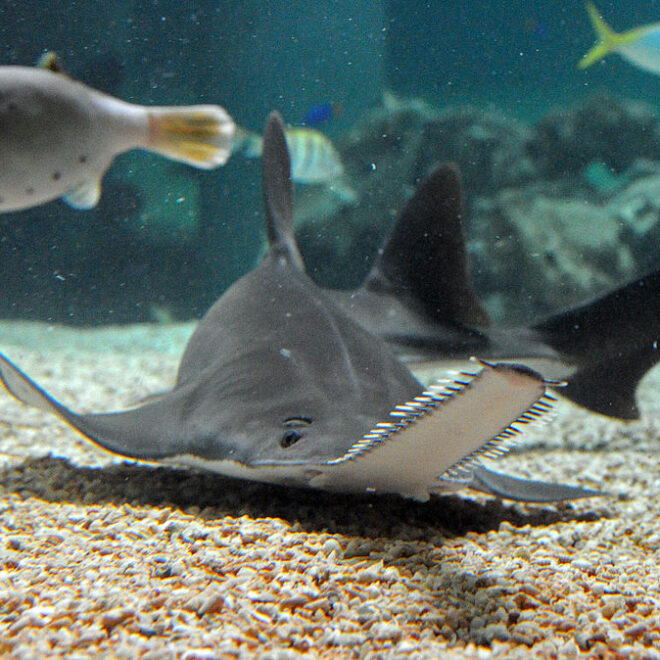
Bizarre fish behavior baffles experts in Lower Florida Keys
By Louis Aguirre. BIG PINE KEY, Fla. – A marine mystery has researchers searching for answers in the Lower Florida Keys. Since December, 20 critically endangered smalltooth sawfish have been reported dead, according to the latest numbers from the Florida Fish and Wildlife Conservation Commission. “This is a very large species… SEE MORE
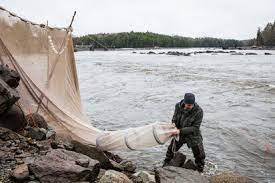
Maine Elver Harvest on Pace to Hit Record Value
By Caroline Losneck. The 11 people who won the lottery to be licensed to participate in Maine’s elver, or baby eel, fishery are counting their blessings. So far, the value of landings is the highest it’s been in years, and it seems certain quota will be reached when the season… SEE MORE
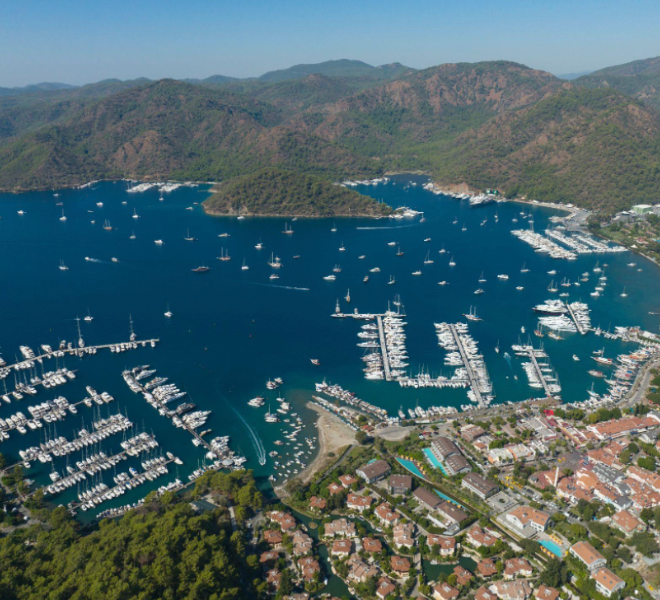
Charting Luxury: The Rise of High-End Yacht Charters in the Mediterranean
By US Harbors. As the sun dips below the horizon of the Mediterranean, it illuminates a world of luxury that sails upon its waters. Companies like MedGulets are at the forefront of this opulent sea voyage, offering unparalleled experiences aboard high-end yachts. Embarking on a luxury yacht charter through these historic and… SEE MORE
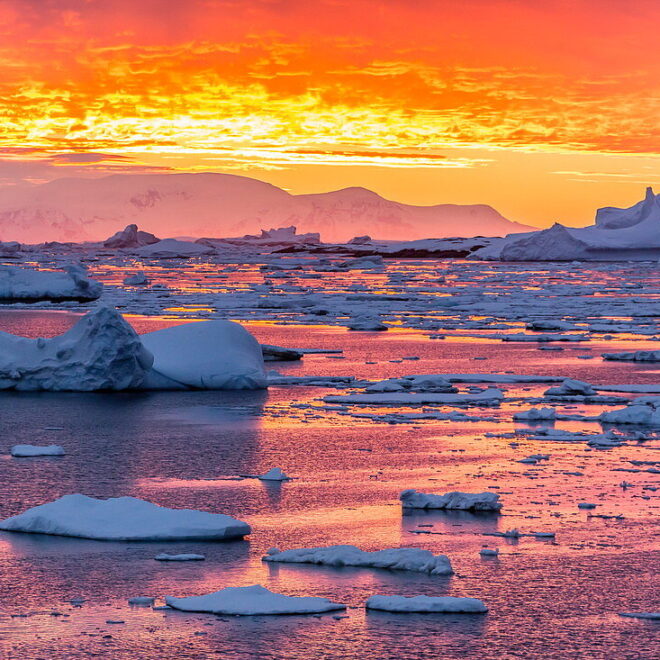
Why Is the Sea So Hot?
By Elizabeth Kolbert. In early 2023, climate scientists—and anyone else paying attention to the data—started to notice something strange. At the beginning of March, sea-surface temperatures began to rise. By April, they’d set a new record: the average temperature at the surface of the world’s oceans, excluding those at the… SEE MORE
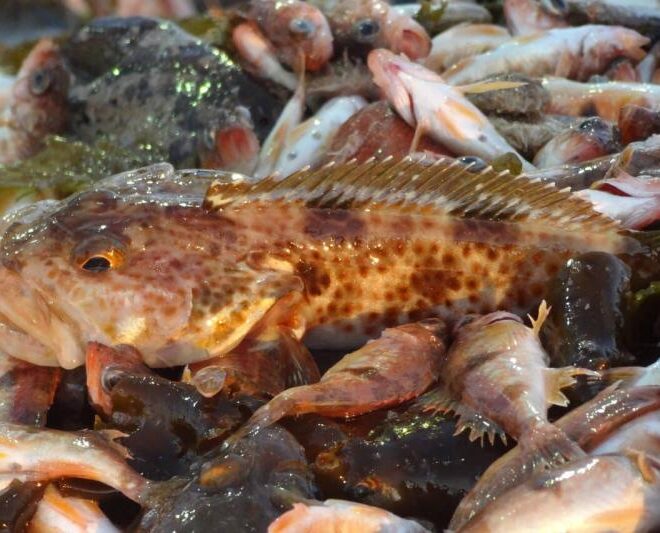
Climate Change Affects Different U.S. West Coast Fishing Fleets Unequally
By fisheries.noaa.gov. Climate change is hitting fishermen hard. But it's not hitting all those who depend on the sea for their livelihood the same way. A new NOAA Fisheries study examined how climate change might affect commercial fishing fleets on the U.S. West Coast. The findings were published recently in the journal PLoS… SEE MORE
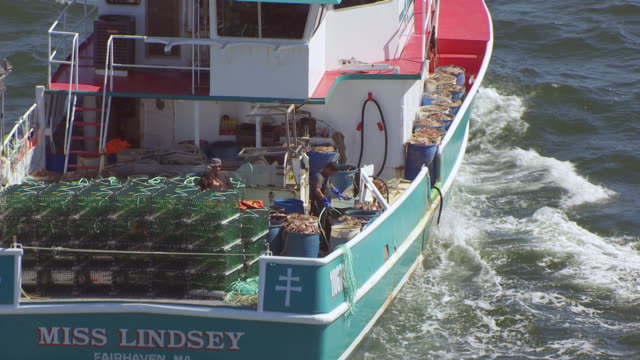
Massachusetts Shuts Down Many South Coast Shellfish Beds Due to Sewage
By Adam Goldstein. The Massachusetts Division of Marine Fisheries is immediately shutting down thousands of acres of shellfish beds surrounding the New Bedford and Fairhaven wastewater treatment plant outfalls to comply with federal health and safety standards. More than 18,000 acres of the Dartmouth, Fairhaven and New Bedford coastline, including… SEE MORE

US Harbors Has a New Owner!
USHarbors Acquired by Co-Founder Jamie Bloomquist Camden, Maine | March 19, 2024 - USHarbors.com, the leading online resource for tides, weather, and coastal data, announces that co-founder Jamie Bloomquist has acquired full ownership of the company. With this acquisition, Bloomquist plans to expand the platform's reach and services, further solidifying… SEE MORE
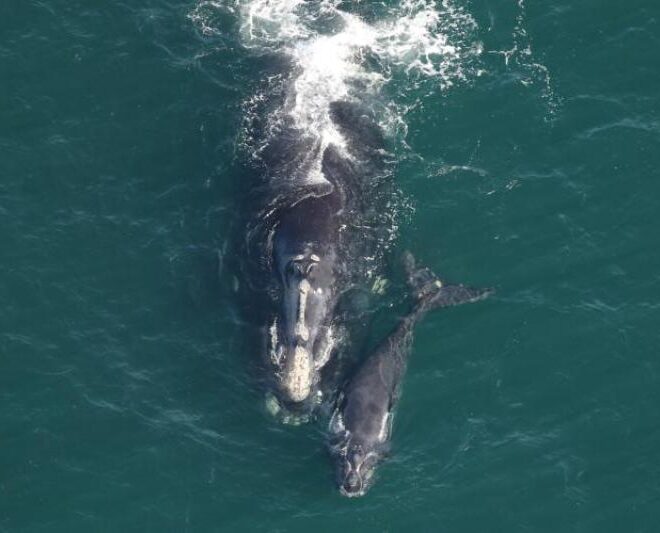
Whales and Carbon Sequestration: Can Whales Store Carbon?
By fisheries.noaa.gov. The ocean captures about 31 percent of all carbon dioxide emissions, removing carbon from the atmosphere that would otherwise continue to trap heat and increase temperatures. Blue carbon, or carbon captured by ocean ecosystems includes: Carbon absorbed by aquatic plants, algae, and phytoplankton Carbon stored in the bodies of living animals… SEE MORE
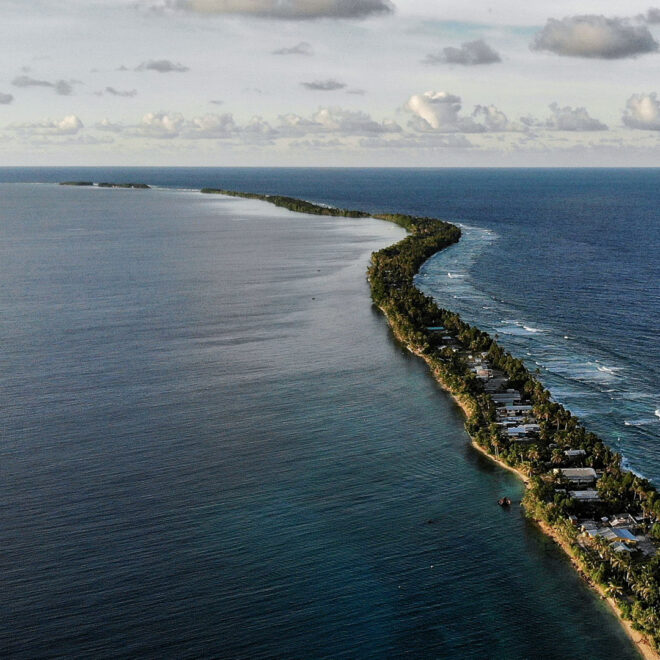
Rising Sea Levels Increase Threat Of Arsenic In Drinking Water
By Kendra Pierre-Louis. (Bloomberg) —Rising seas due to climate change could exacerbate the threat of arsenic in drinking water, according to a study published in PLOS ONE in January. Researchers focused on arsenic in well water in Bangladesh, where up to 97% of the population relies on such water for drinking. Arsenic occurs naturally… SEE MORE