Search for More Stories:
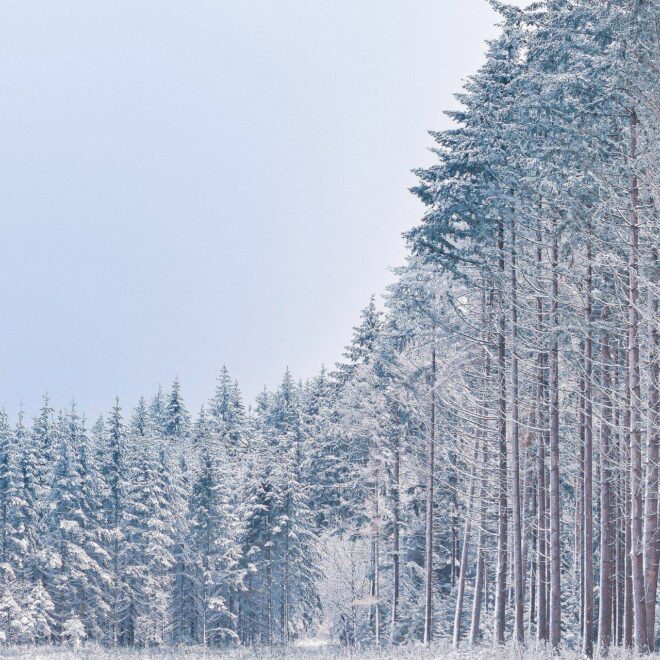
We are Absolutely Confident that Some Expected La Niña Impacts will Bust this Winter
By Michelle L'Heureux. Right now, with La Niña conditions currently underway, I guarantee at least one of our readers is currently thinking “This alleged ‘La Niña’ is going to bust so hard in my region. It’s supposed to be DRY and it’s been WET so far. What the heck is wrong… SEE MORE
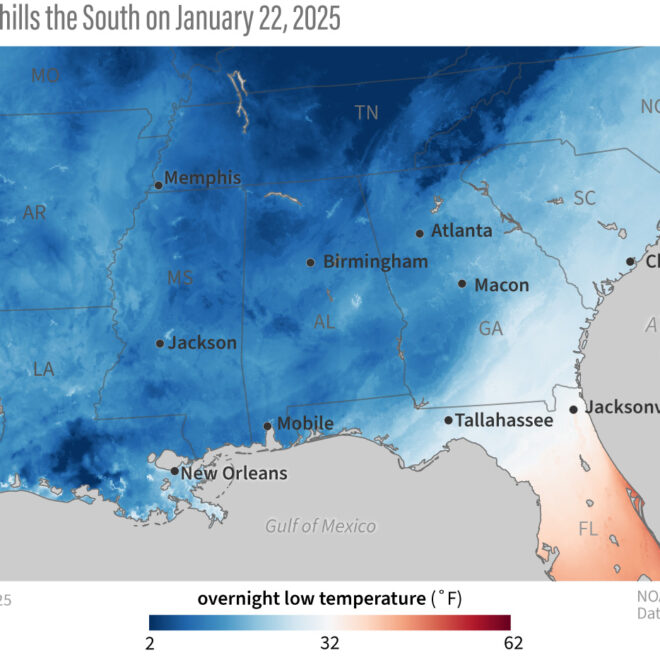
Historic January 2025 snowstorm in the Southern U.S.
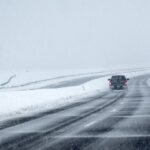
By Nicole Collins. An Arctic blast plunged into the southeastern United States on Sunday, January 19, arriving just in time for the on-average coldest stretch of the year. It brought record-breaking low temperatures and fueled a winter storm that dropped historic snowfall for parts of the South. On January 22,… SEE MORE
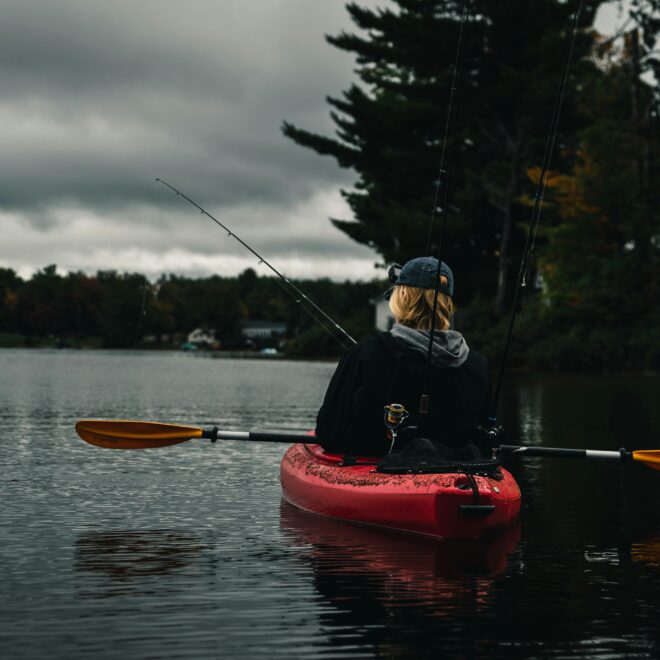
Kayak Fishing the Everglades at Flamingo
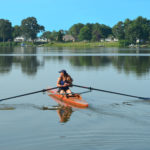
By Nick Carter Exploring the backcountry and the flats of Florida Bay in motorized fishing kayaks. The Florida Everglades are a million and a half acres of wetland famously called a river of grass. From the water at Flamingo, it’s more of a mangrove jungle. Here at the southernmost outpost of Everglades… SEE MORE
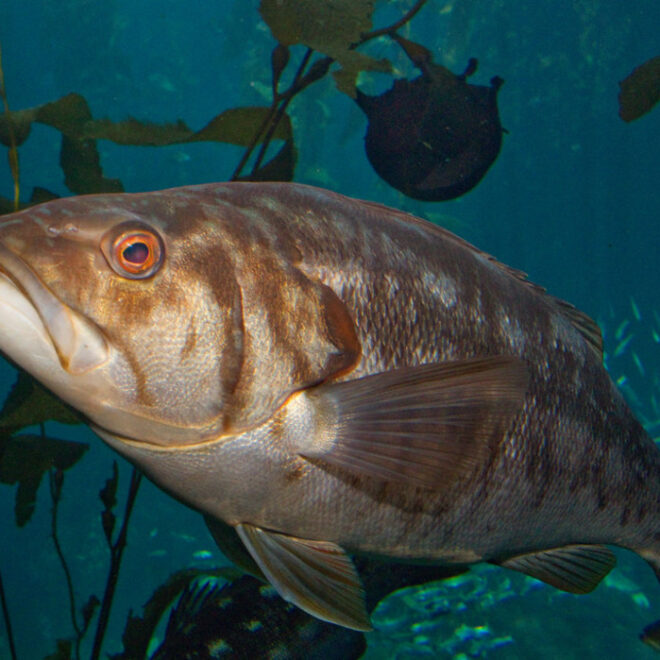
Cold Water Tips for Big Calico Bass
By Jim Hendricks. Special tactics help Southern California anglers catch big calico bass throughout winter. Cooling ocean temperatures, chilly weather and the closure of bottom fishing for many species in January and February discourage a fair number of Southern California saltwater anglers from fishing in winter. Yet to those in the know,… SEE MORE
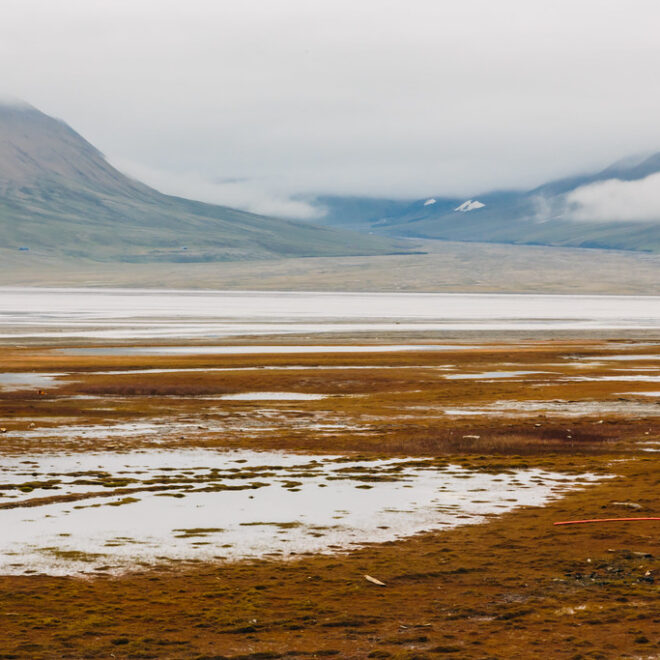
Arctic Tundra Becoming Source of Carbon Dioxide Emissions
By noaa.gov. 2024 Arctic Report Card tracks rapid, complex Arctic change. After storing carbon dioxide in frozen soil for millennia, the Arctic tundra is being transformed by frequent wildfires into an overall source of carbon to the atmosphere, which is already absorbing record levels of heat-trapping fossil fuel pollution. The… SEE MORE
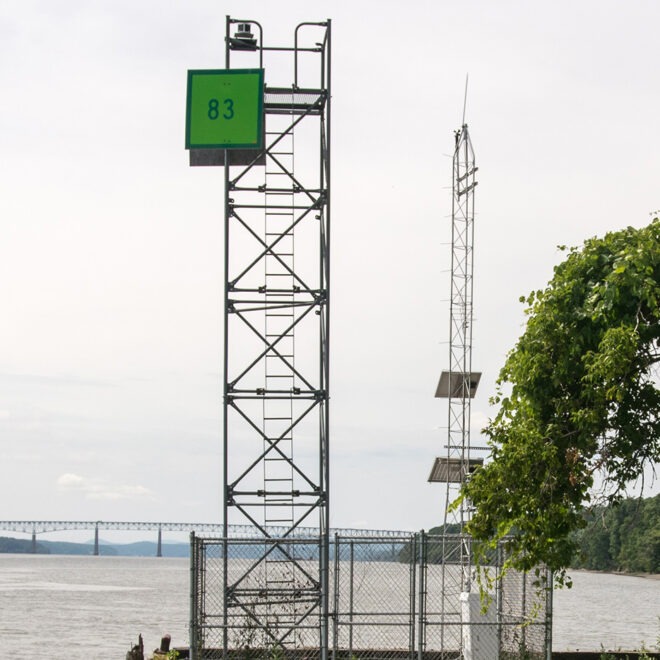
New Data for Improved Navigation in the Upper Hudson River
By oceanservice.noaa.gov. Real-time data on coastal conditions will support improved maritime navigation in New York. Navigating New York waterways just got a bit easier. NOAA and the New York State Department of Environmental Conservation announced the establishment of the Hudson River Estuary Physical Oceanographic Real-time System (PORTS®). The system delivers real-time… SEE MORE
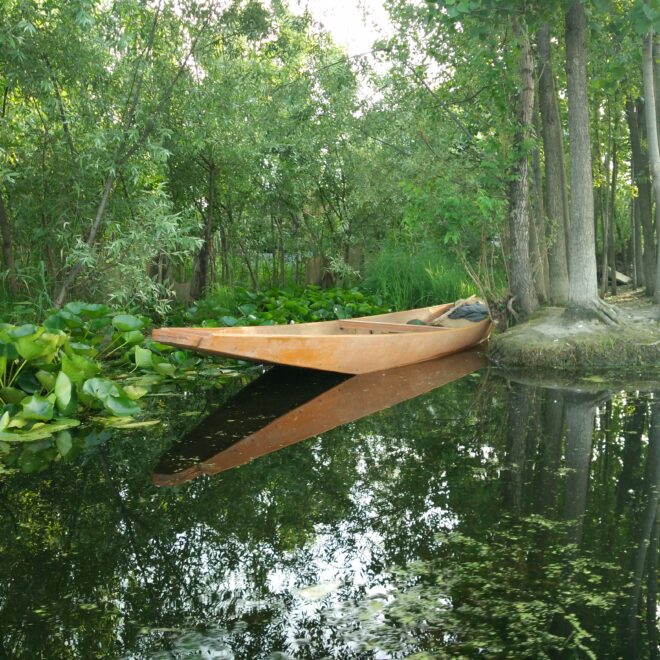
The Canoe in the Forest
By Joshua Hunt. An unfinished boat hidden on a remote island in Alaska illuminates a missing chapter in the history of traditional Haida and Tlingit canoe building. When I first see the canoe, in May, it takes a moment to distinguish the long, shapely slab of cedar from the patch… SEE MORE
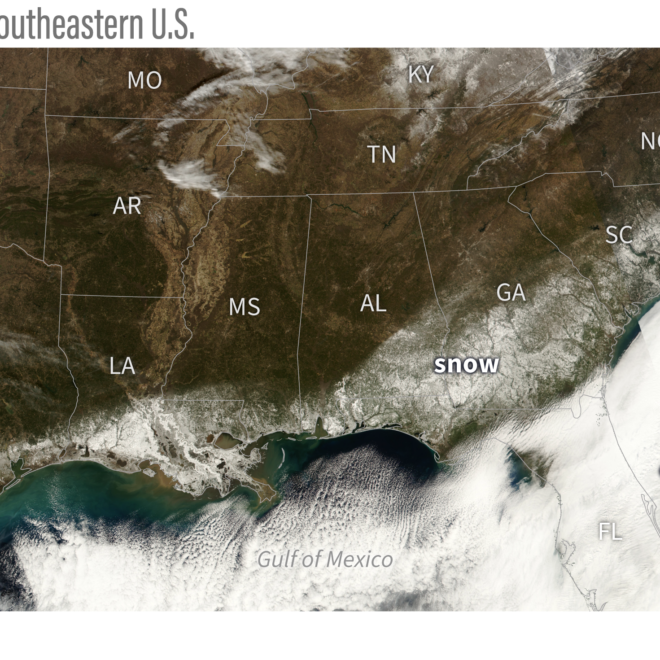
Historic January 2025 Snowstorm in the Southern U.S.
By climate.gov. An Arctic blast plunged into the southeastern United States on Sunday, January 19, arriving just in time for the on-average coldest stretch of the year. It brought record-breaking low temperatures and fueled a winter storm that dropped historic snowfall for parts of the South. On January 22, the… SEE MORE
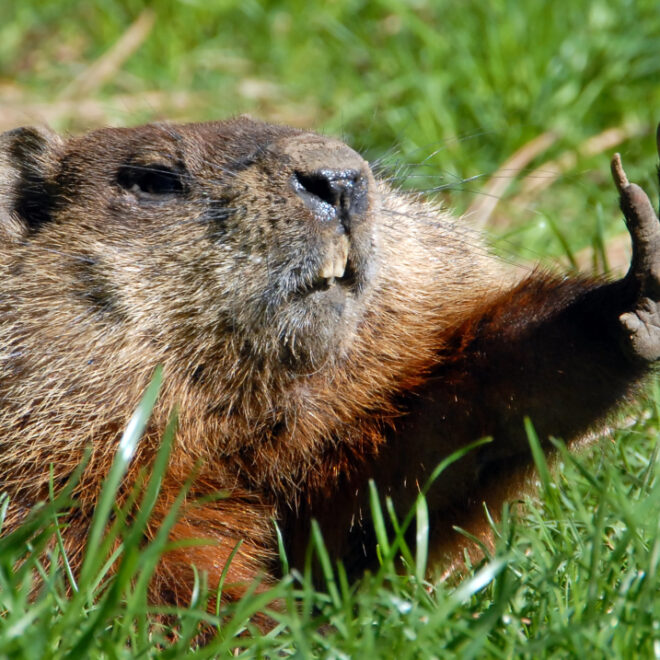
Grading the Groundhogs: The Weather Predicting Rodents
By noaa.gov. In honor of Groundhog Day and in the spirit of fun, we pitted groundhogs from all over the United States against each other — and data from NOAA's National Centers for Environmental Information — to see who’s the most accurate. Groundhog Day has been celebrated in the United States since… SEE MORE
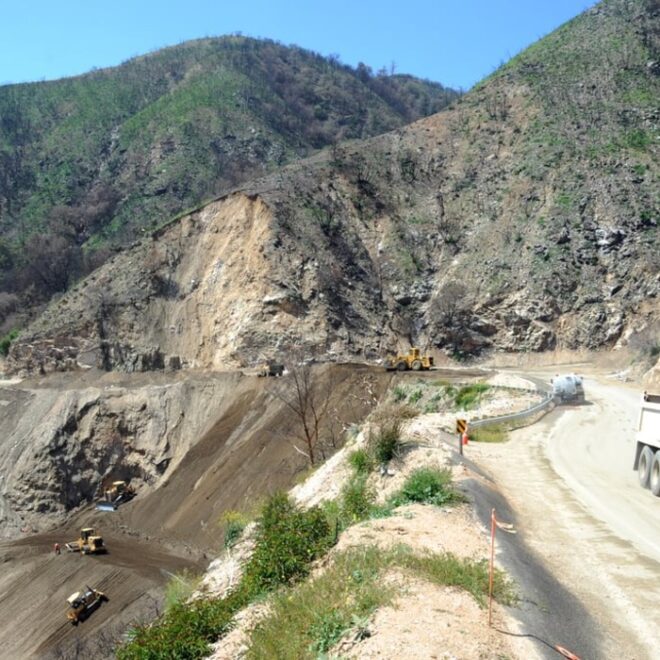
Rain Douses Wildfires in Southern California Without Causing Serious Mudslides
By apnews.com. The first significant storm of the season brought snow and downpours to Southern California that doused wildfires and caused some ash and mud to flow across streets in the Los Angeles area on Monday. More than an inch (2.5 centimeters) of rain fell in many areas, loosening Los… SEE MORE
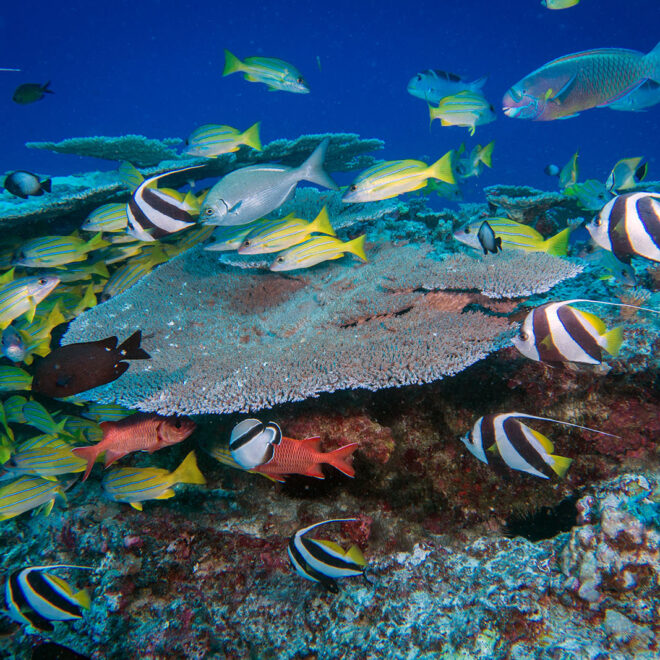
Biden-Harris Administration, NOAA Designate 18th National Marine Sanctuary
By noaa.gov. Papahānaumokuākea sanctuary status to bring strengthened conservation, management to area. NOAA is designating the marine portions of Papahānaumokuākea Marine National Monument, a 582,570 square-mile area in the Pacific Ocean, as America’s 18th national marine sanctuary. Papahānaumokuākea National Marine Sanctuary will be the largest sanctuary in the National Marine Sanctuary System, and is one… SEE MORE
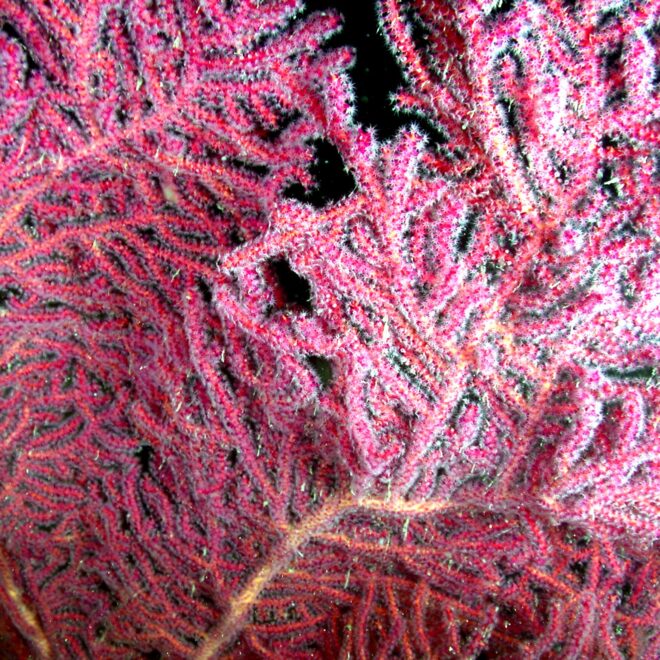
From Threat to Threatened: A Brief History of Coral Reef Research
By noaa.gov. Alexander Dallas Bache was the second Superintendent of the U.S. Coast Survey. He was dedicated to charting our coastlines and improving the safety and effectiveness of marine navigation. In 1851, seeing coral reefs as a threat to the safety of ships traveling our coasts, he commissioned controversial American… SEE MORE