Information and Resources to help you navigate Covid-19
We here at US Harbors are collecting all the information we can to help you through these strange times.
The situation around the country, and the world, is changing at a rapid rate. We endeavor to keep our information up to date and relevant. Please be aware that regulations do vary from state to state. You can find all our Covid-19 related news under this tag /covid-19
Is Boating a Safe Social Distancing Activity?
In most circumstances, boating is a safe activity in terms of limiting infection. Please be aware of the specific rules at the local marina or town boat ramp – getting into the water can be the most high risk part of the boating trip, depending on how busy the boat launch area is. Please also take into consideration who accompanies you on your boat. It is advised to limit boat passengers to those already in your household. Some states have a limit on the number of people allowed on a boat.
Once out on the water, maintain distance from other boats, and be extra vigilant of those in the water around you. Boaters, as a type, are generally very safety conscious, and that attitude is just as important now as it ever is. Every prevented accident is one less thing that our brave key workers have tackle – keeping the resources available to deal with the covid-19 pandemic.
More rules, tips and advice can be found here: Must-Know Rules for 2020 Summer Boating During COVID 19
Where Can I Go Boating?
What Boat Ramps are Open in My Area?
What events are still going on?
Many events have been cancelled to limit spread of the coronavirus. Some are able to transition to a virtual. online version of the event, and some are postponed till later in the year, or the following year altogether. We are still posting events on our site, however we encourage you to check directly with the organizer before attending. You can see all the events here: usharbors.com/event-listings/
Help for Coastal Businesses
We are posting updates from any and all coastal business, organization or local authority. If you want to get word out to boaters in your area, you can submit news for our weekly update here: usharbors.com/supporting-our-coastal-businesses/
Health & Safety Filter
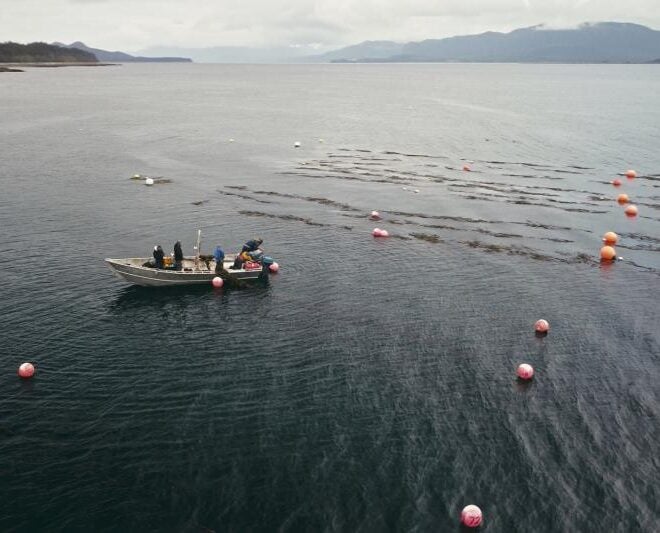
Kelp Farms and Marine Life Co-Exist in Southeast Alaska
By fisheries.noaa.gov, fisheries.noaa.gov. Marine aquaculture, or mariculture, provides economic opportunities for coastal communities in Alaska through farming shellfish and seaweed. NOAA Fisheries continues to support Alaska’s growing aquaculture industry through policy and permitting—providing access to resources and research. A recent study highlights one of our newest aquaculture research collaborations. Through this… SEE MORE
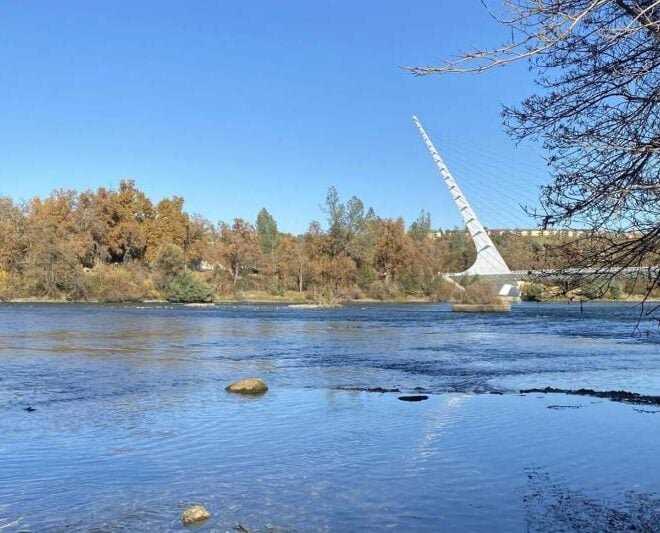
A Secret to Survival for California’s Most Endangered Salmon
By fisheries.noaa.gov, fisheries.noaa.gov. Traditional field research combined with new technology has revealed a secret to the survival of juvenile salmon as they form in their eggs, especially in low-water years when many do not survive, new research from NOAA Fisheries and the University of California, Davis shows. Sacramento River winter-run… SEE MORE
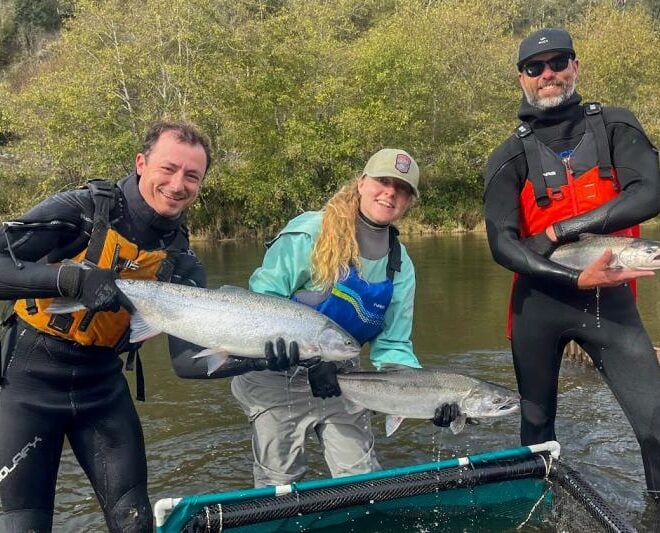
Can Habitat Restoration Help Salmon Recover? Prairie Creek Offers Clues
By fisheries.noaa.gov, fisheries.noaa.gov. This story is part 2 of a 2-part series. Read part 1. When any habitat restoration project finishes, a critical question remains: Will the project help threatened fish and other species recover? Answering that question requires rigorous long-term monitoring. At the Prairie Creek salmon habitat restoration project in Northern California,… SEE MORE
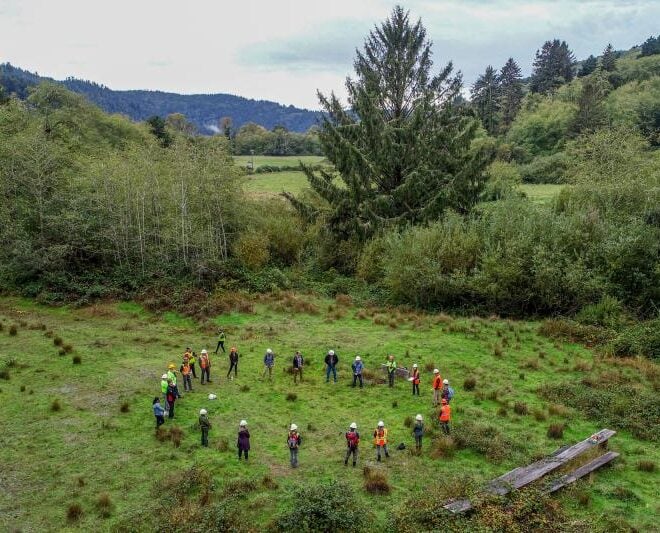
Restoring California’s Prairie Creek Supports Salmon Recovery and Local Community
By fisheries.noaa.gov, fisheries.noaa.gov. This story is part 1 of a 2-part series. Read part 1. For more than a decade, NOAA Fisheries and a broad coalition of partners worked to transform degraded fish habitat on California’s Prairie Creek into a thriving floodplain ecosystem for juvenile salmon and steelhead. Located in California’s redwood… SEE MORE
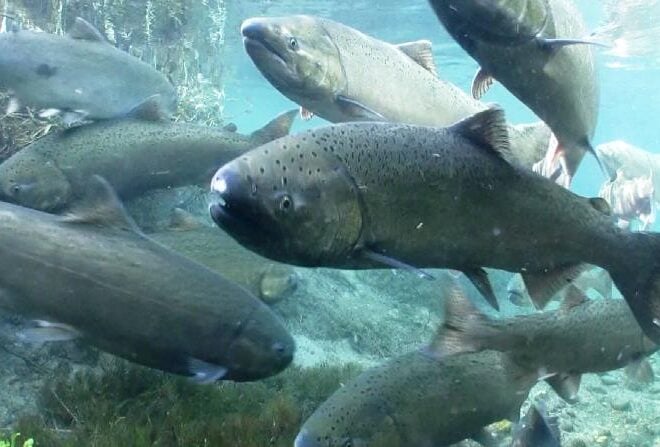
NOAA Fisheries Finds Listing Gulf of Alaska Chinook Salmon Under the Endangered Species Act “Not Warranted”
By fisheries.noaa.gov, fisheries.noaa.gov. NOAA Fisheries’ 12-month review shows a low risk of extinction. NOAA Fisheries has completed a status review and 12-month finding for Gulf of Alaska Chinook salmon in response to a January 2024 petition. The Wild Fish Conservancy petitioned to delineate and list one or more evolutionarily significant units (ESUs) of Gulf of Alaska Chinook salmon… SEE MORE
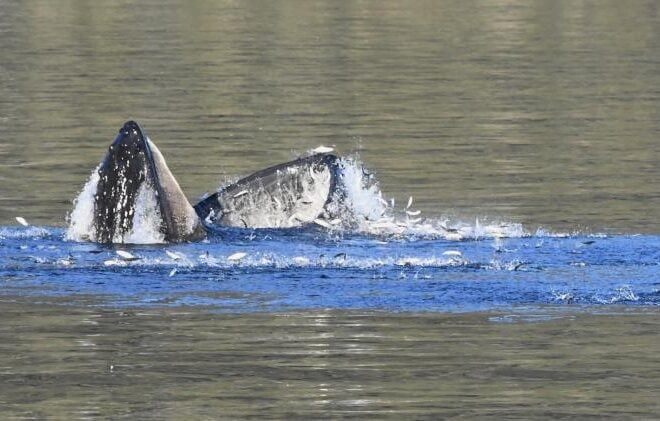
Capelin: a “Sea Canary” for Marine Ecosystem Change in Response to Heatwaves
By fisheries.noaa.gov, fisheries.noaa.gov. Capelin are a major forage fish species in high-latitude marine ecosystems. Recent heatwaves in Alaska led to a dramatic decline in capelin abundance, which can have major impacts on predators, including marine mammals, seabirds, and fish. Twenty years ago, Dr. George Rose with Memorial University of Newfoundland called capelin… SEE MORE
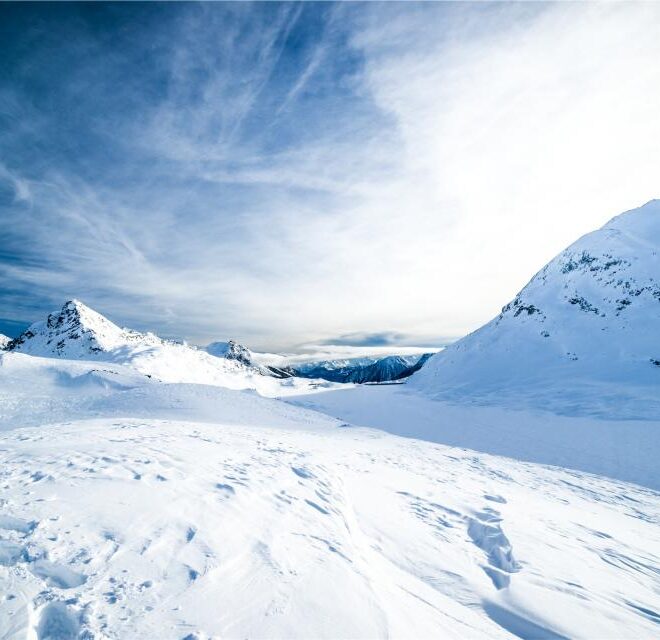
WHOI Scientist Hunts for 10-Million-Year-Old Ice in Antarctica
By Evan Lubofsky, whoi.edu. Ancient ice buried beneath Antarctica holds trapped air bubbles that serve as tiny time capsules of Earth’s atmosphere — and a WHOI geoscientist is pushing the record further back than ever before. Sarah Shackleton, who helped recover 6-million-year-old ice cores from Antarctica’s Allan Hills in 2023,… SEE MORE
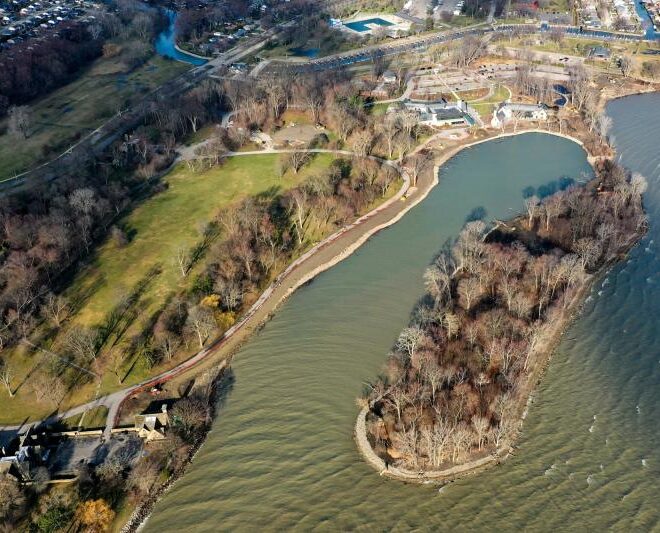
Restoring Habitat for Great Lakes Fish at the Historic Edsel and Eleanor Ford Estate
By fisheries.noaa.gov, fisheries.noaa.gov. With $7 million in funding from NOAA Fisheries, the Ford House estate on Lake St. Clair in Michigan is rebuilding shoreline habitat for fish and other wildlife while expanding access and educational opportunities for visitors. NOAA Fisheries’ Office of Habitat Conservation has established a unique partnership with Ford House, the… SEE MORE