Search for More Stories:
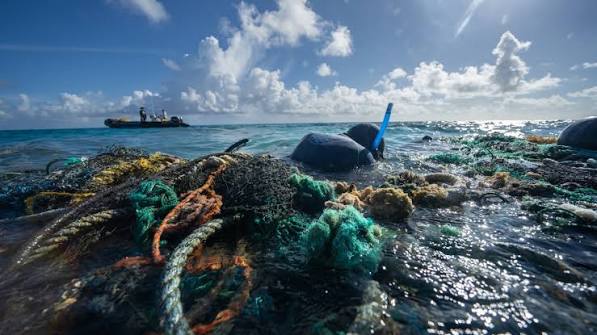
Large-scale Marine Debris: 4 Ways to Clean up the Big Stuff
By fisheries.noaa.gov, fisheries.noaa.gov. Marine debris is a challenging problem. Across the country, NOAA and partners remove everything from lost fishing gear tangled on the seafloor to sunken vessels, abandoned tire reefs, and other trash that have become hazards to navigation and marine ecosystems in the ocean and Great Lakes. Beginning in… SEE MORE
Kelvin Waves, Explained
By fisheries.noaa.gov, fisheries.noaa.gov. You may be hearing a lot about Kelvin waves in the news. What are Kelvin waves, and how are they related to El Niño? We asked oceanographer Michael Jacox, from the Southwest Fisheries Science Center and NOAA Physical Sciences Laboratory, to explain the phenomenon. What is a Kelvin wave and… SEE MORE
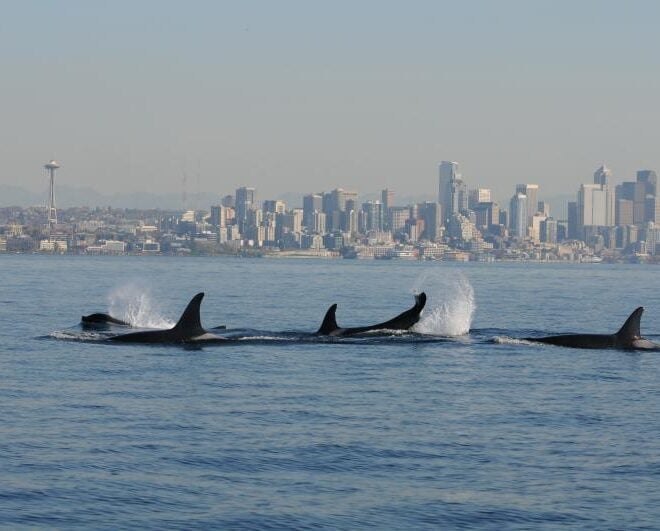
How Will El Niño Affect Your Local Fisheries?
By fisheries.noaa.gov, fisheries.noaa.gov. What does El Niño mean for U.S. fisheries and marine life? What can fishermen and coastal communities expect to observe and experience as this event continues and potentially intensifies? And what are scientists at NOAA Fisheries doing to track this natural phenomenon? The El Niño-Southern Oscillation is a powerful… SEE MORE
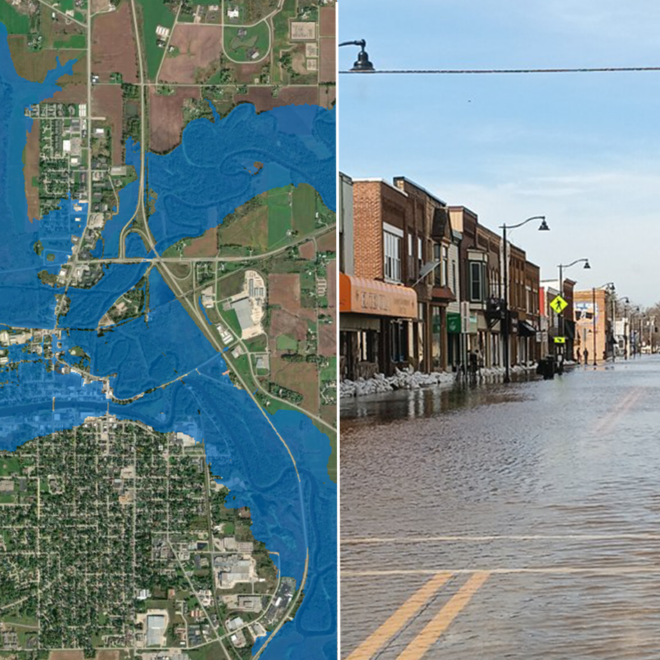
NOAA’s flood mapping tool now covers nearly 100% of U.S.
By fisheries.noaa.gov, fisheries.noaa.gov. NOAA’s National Weather Service announced today that Flood Inundation Mapping (FIM), a revolutionary tool for predicting river flooding, is now available on an experimental basis to nearly 100% of the U.S. population. This is a massive expansion from FIM’s prior coverage of 60% of the country. FIM… SEE MORE
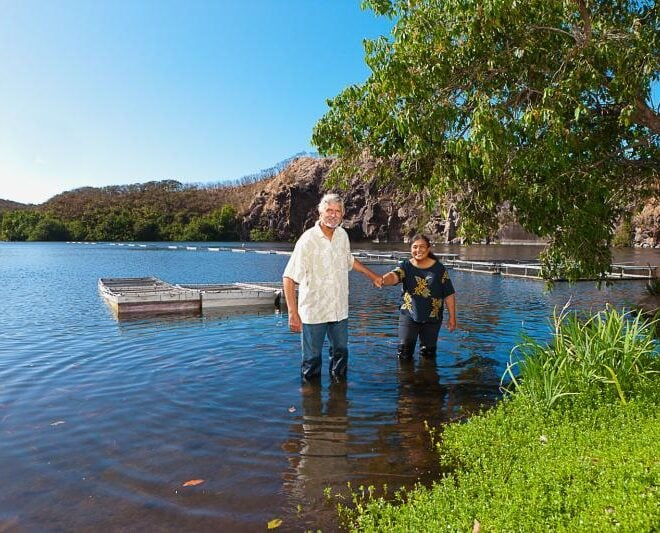
Meet Hawaii Fish Company, Tilapia Farmers in Hawaiʻi
By fisheries.noaa.gov, fisheries.noaa.gov. For husband and wife duo Ron and and Estralita Weidenbach, fish farming is a family business. The couple met in the 1970s while Ron was consulting at the East West Center in Honolulu and the World Bank, focusing on sustainable aquaculture projects in Asia. Estralita was a… SEE MORE
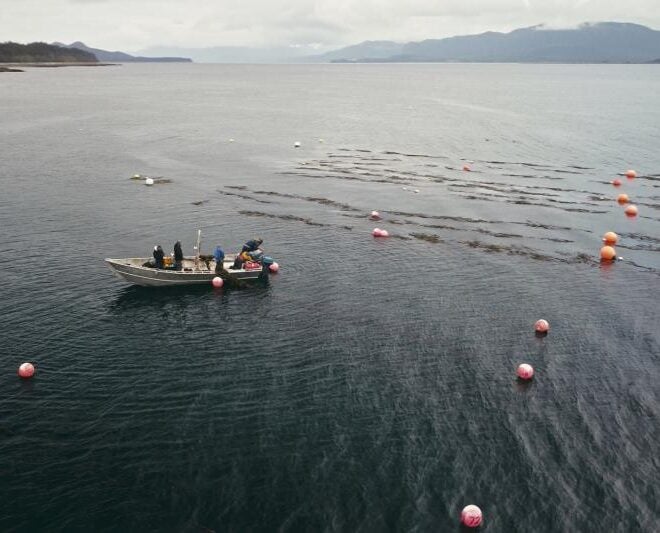
Kelp Farms and Marine Life Co-Exist in Southeast Alaska
By fisheries.noaa.gov, fisheries.noaa.gov. Marine aquaculture, or mariculture, provides economic opportunities for coastal communities in Alaska through farming shellfish and seaweed. NOAA Fisheries continues to support Alaska’s growing aquaculture industry through policy and permitting—providing access to resources and research. A recent study highlights one of our newest aquaculture research collaborations. Through this… SEE MORE
Celebrate National Seafood Month
By fisheries.noaa.gov, fisheries.noaa.gov. As we welcome autumn, we also celebrate National Seafood Month! Join us all month long to celebrate sustainable seafood with new feature stories, recipes, videos, and more. There's a lot to celebrate because—aside from being scrumptious—seafood is good for you, good for the economy, and good for… SEE MORE
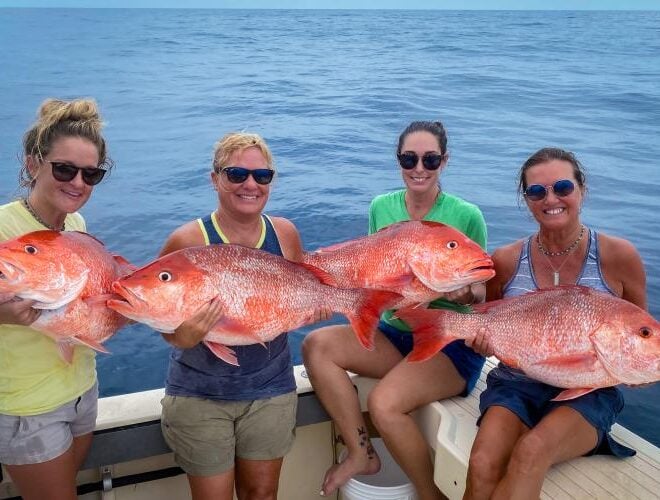
NOAA Announces 2026 Federal Recreational Red Snapper Season, Exempted Fishing Permits in South Atlantic
By fisheries.noaa.gov, fisheries.noaa.gov. NOAA Fisheries announced today the 2026 federal recreational red snapper fishing season in the South Atlantic and the issuance of three exempted fishing permits (EFPs) to Florida, Georgia, and South Carolina. The federal recreational red snapper season will open for three days this year from October 9… SEE MORE
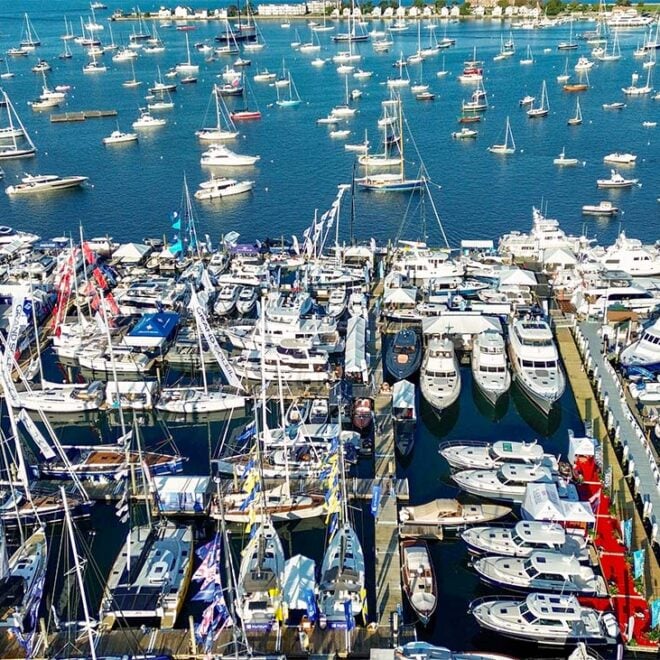
Newport Boat Show 2026: Award Winners, New Boats and a Castle Hill Sunset
By US Harbors The weather was perfect as the US Harbors crew arrived in Newport on Thursday for the opening day of the 55th Newport International Boat Show. The show marks the unofficial start of the fall boat show season, and part of its appeal is that it's just steps… SEE MORE
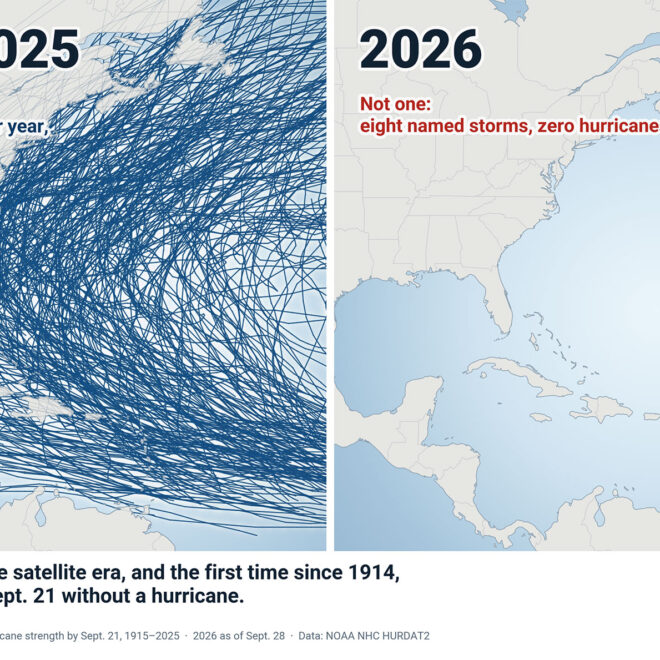
A Hurricane Season Without Hurricanes, So Far
By US Harbors Every Atlantic hurricane season from 1915 through 2025 produced at least one hurricane by September 21, and most produced about four. This year has produced none. Tropical Storm Hanna, the season's eighth named storm, formed this week far east of Bermuda and is expected to stay a… SEE MORE
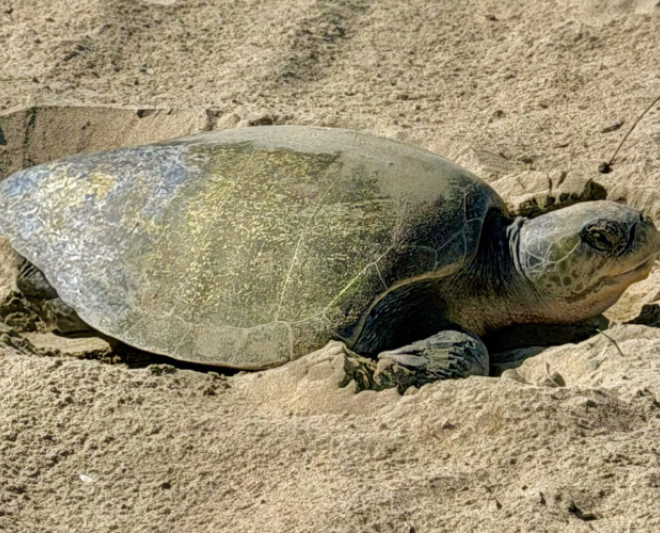
First-Ever Olive Ridley Sea Turtle Nested in California
By fisheries.noaa.gov, fisheries.noaa.gov. An olive ridley sea turtle was observed digging a nest and laying eggs on the beach near Seal Beach, in Orange County, California on September 16, 2026. This is the first-ever recorded nest for any sea turtle species on the U.S. West Coast. The nesting female was discovered about 3 p.m.… SEE MORE
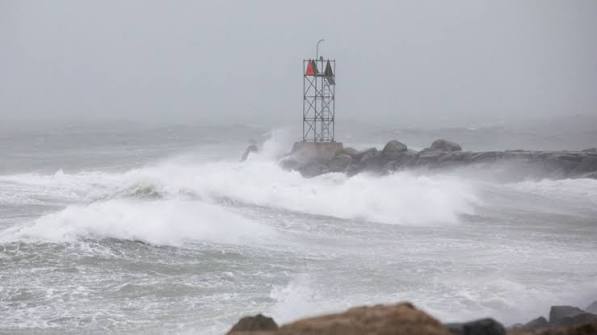
Weekend nor’easter likely to bring damaging winds, coastal flooding
By noaa.gov, noaa.gov. Forecasters at NOAA’s National Weather Service (NWS) are monitoring a powerful nor’easter bringing damaging wind gusts and dangerous coastal flooding to the Northeast this weekend. The New York City metro area and New Jersey may be especially impacted by this storm. A rapidly deepening storm along the… SEE MORE