Search for More Stories:
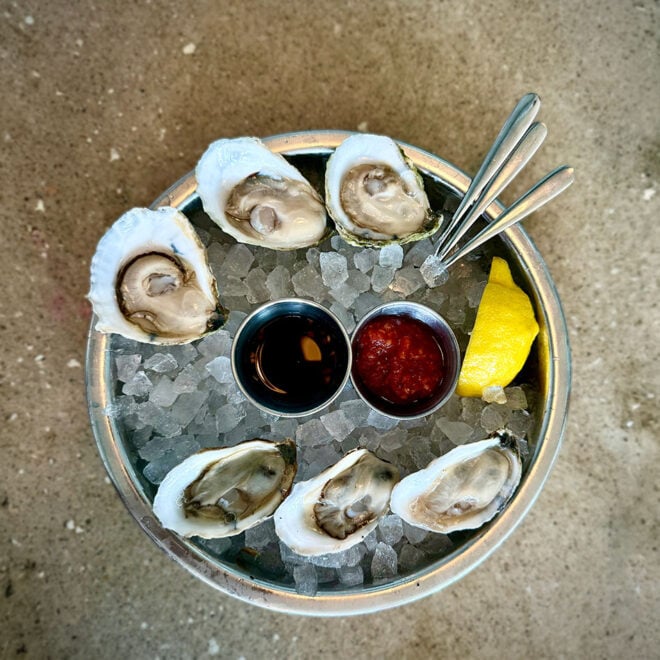
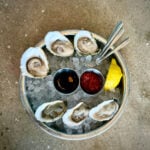
A Guide to Ordering, Shucking, and Eating Oysters
By fisheries.noaa.gov, fisheries.noaa.gov. October was National Seafood Month, and on the Maine coast it was also a month for oysters. We spent an afternoon at the 4th annual Camden Oyster & Beer Festival at The Wharf at Lyman-Morse on October 11, and in Portland, Maine Oysterfest took place on October… SEE MORE
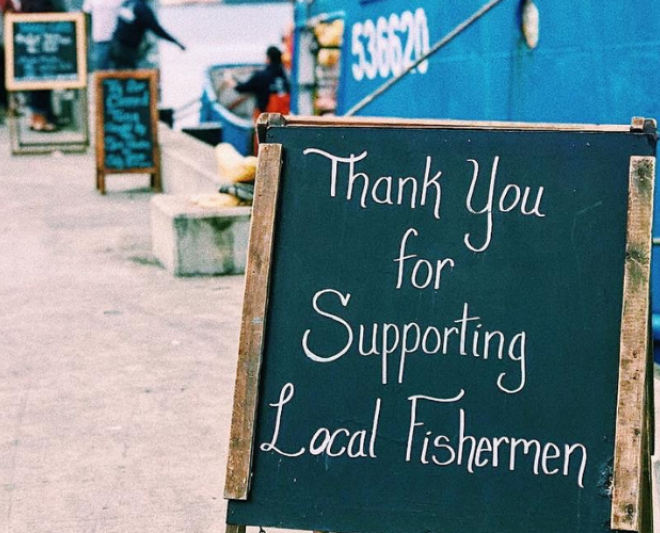
America First Seafood Strategy: Strengthening U.S. Fisheries, Coastal Economies, and Food Security
By fisheries.noaa.gov, fisheries.noaa.gov. The United States manages some of the world’s most productive and sustainable fisheries. American commercial fishermen and seafood businesses operate on a foundation of rigorous science-based standards set through decades of fisheries monitoring and careful management. Despite the successful management strategies that have ensured abundance within domestic… SEE MORE
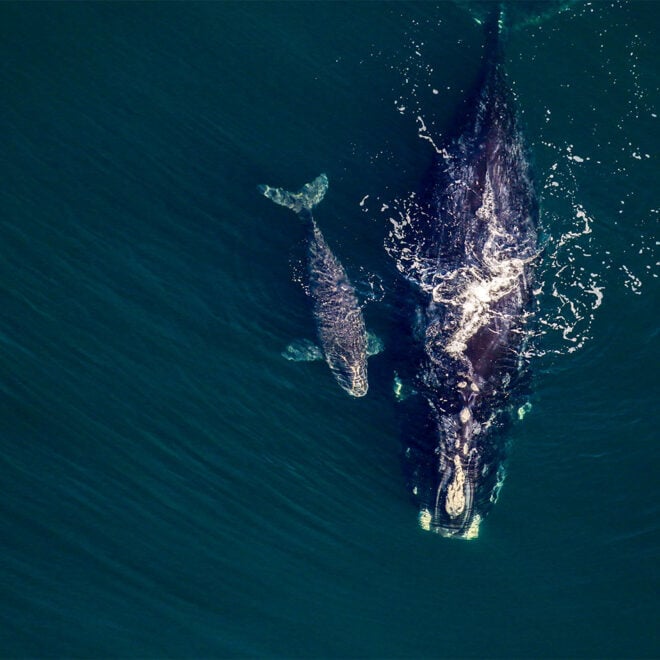
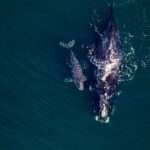
Right Whale Speed Zones Take Effect Nov 1 2026
By US Harbors Starting November 1, most vessels 65 feet and longer must slow to 10 knots or less inside federal Seasonal Management Areas along the Atlantic coast. The zones track North Atlantic right whales as they migrate south to calve off Georgia and Florida. Most stay in effect through… SEE MORE
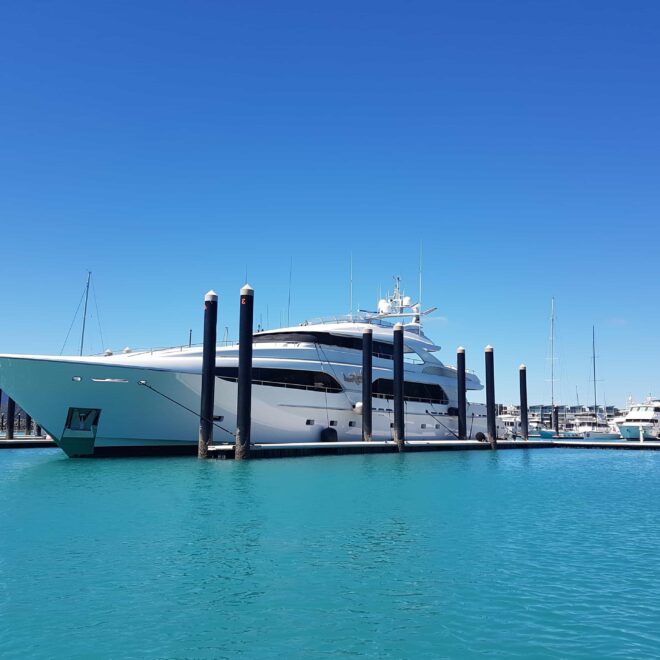
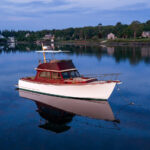
Stray Current vs. Galvanic Corrosion: What Every Boat Owner Needs to Know
By Captain Ken Kreisler, Best4Boats.com. If you keep a boat in a marina — or anywhere in saltwater — corrosion is working on it right now. But not all corrosion is the same, and understanding the difference between stray current corrosion and galvanic corrosion could save your running gear, your… SEE MORE
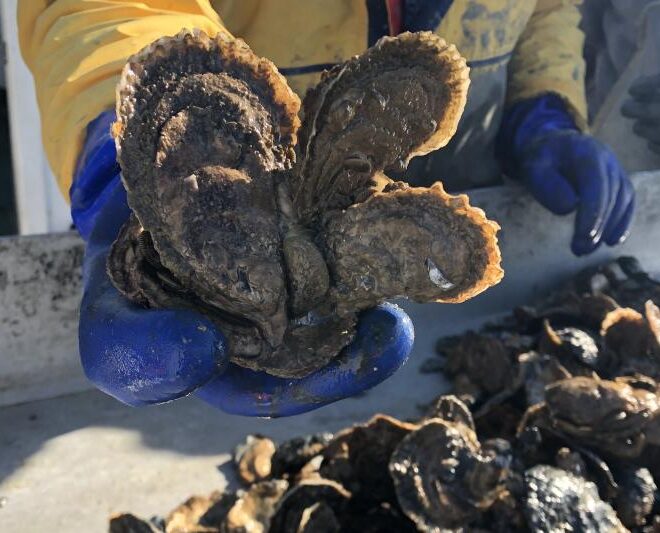
Celebrating Oysters During Oyster Week
By fisheries.noaa.gov, fisheries.noaa.gov. Oysters are great multitaskers! They provide many benefits to the ecosystem they live in. They are filter feeders—they clean the water as they eat. And they grow in reefs, which provide great habitat for many other species. But in many places, their population has plummeted. So we… SEE MORE
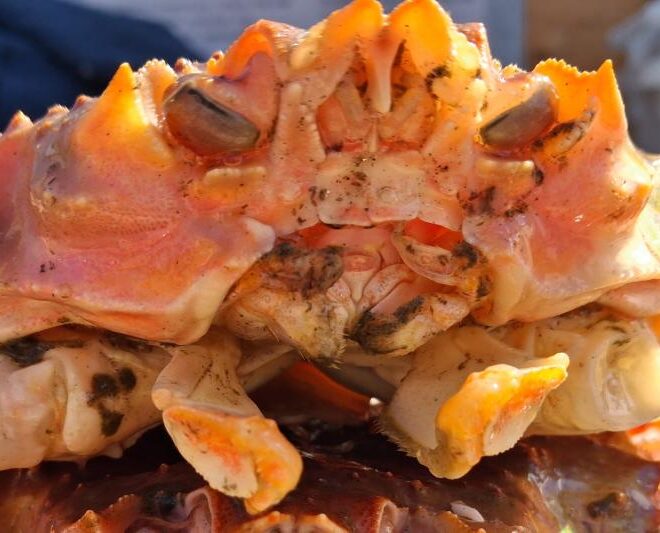
Marine Heatwave Triggered a Hybrid Crab Surge in the Bering Sea
By fisheries.noaa.gov, fisheries.noaa.gov. A team of scientists at the Alaska Fisheries Science Center’s Kodiak Laboratory has uncovered an unexpected ecological aftermath following the major 2018–2019 Bering Sea marine heatwave. The results, published in a new Proceedings of the National Academy of Sciences study, show the abundance of snow-Tanner crab hybrids increased by more… SEE MORE
El Nino looms large over U.S. Winter Outlook
By noaa.gov, noaa.gov. NOAA’s U.S. Winter Outlook, released today, shows how El Nino will likely influence the upcoming winter months (December 2026 to February 2027), with warmer-than-average temperatures expected across the northern U.S.; wetter-than-average conditions likely across the southern U.S., from California to Florida, and along the Eastern Seaboard; and drought improving… SEE MORE
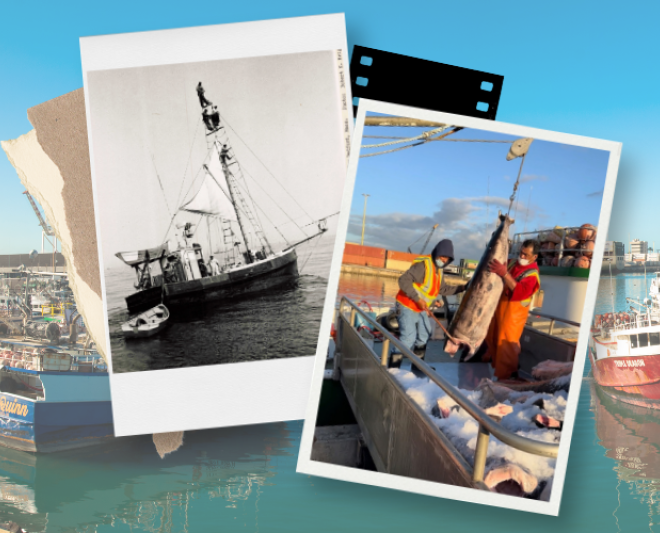
Highly Migratory Species Management: Managing Shared Resources at Home and Around the World
By fisheries.noaa.gov, fisheries.noaa.gov. Highly migratory species—like Atlantic yellowfin tuna, Pacific albacore, and Atlantic swordfish—travel thousands of miles across state, national, and international boundaries throughout their lives. These important commercial and recreational fisheries support seafood businesses and coastal communities across the United States. But highly migratory fish don’t recognize state or national borders, so… SEE MORE
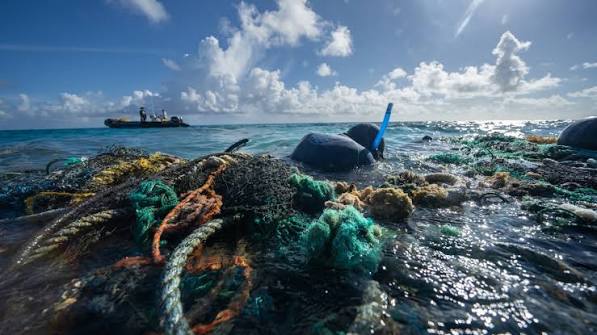
Large-scale Marine Debris: 4 Ways to Clean up the Big Stuff
By fisheries.noaa.gov, fisheries.noaa.gov. Marine debris is a challenging problem. Across the country, NOAA and partners remove everything from lost fishing gear tangled on the seafloor to sunken vessels, abandoned tire reefs, and other trash that have become hazards to navigation and marine ecosystems in the ocean and Great Lakes. Beginning in… SEE MORE
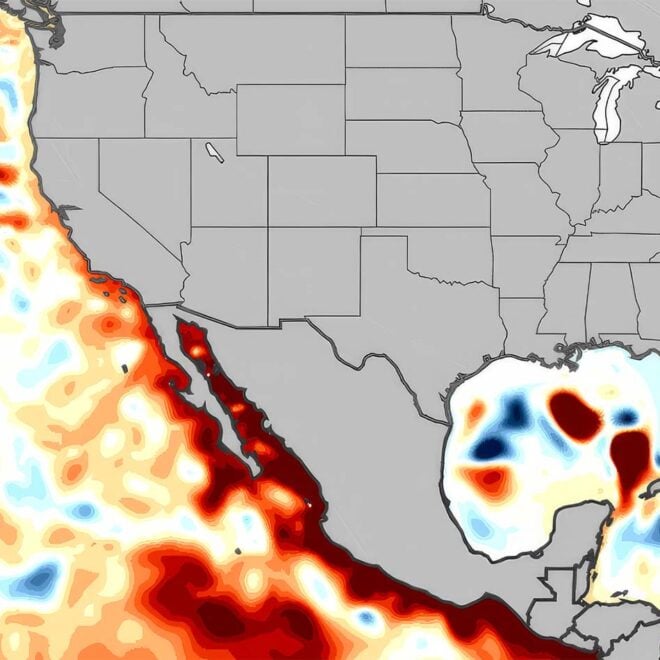
Kelvin Waves, Explained
By fisheries.noaa.gov, fisheries.noaa.gov. You may be hearing a lot about Kelvin waves in the news. What are Kelvin waves, and how are they related to El Niño? We asked oceanographer Michael Jacox, from the Southwest Fisheries Science Center and NOAA Physical Sciences Laboratory, to explain the phenomenon. What is a Kelvin wave and… SEE MORE
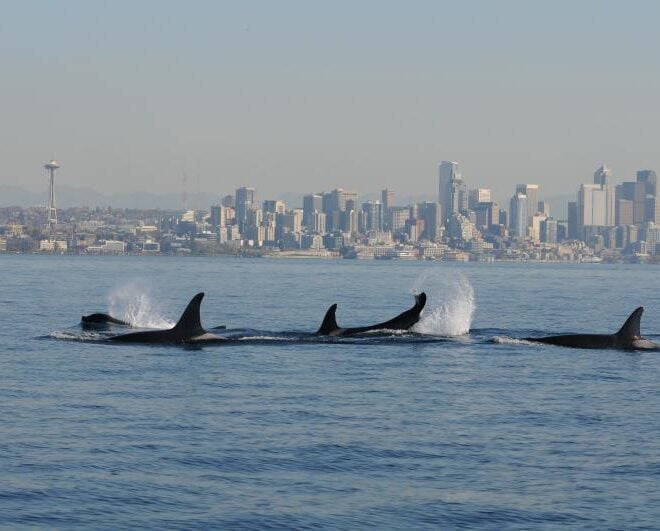
How Will El Niño Affect Your Local Fisheries?
By fisheries.noaa.gov, fisheries.noaa.gov. What does El Niño mean for U.S. fisheries and marine life? What can fishermen and coastal communities expect to observe and experience as this event continues and potentially intensifies? And what are scientists at NOAA Fisheries doing to track this natural phenomenon? The El Niño-Southern Oscillation is a powerful… SEE MORE
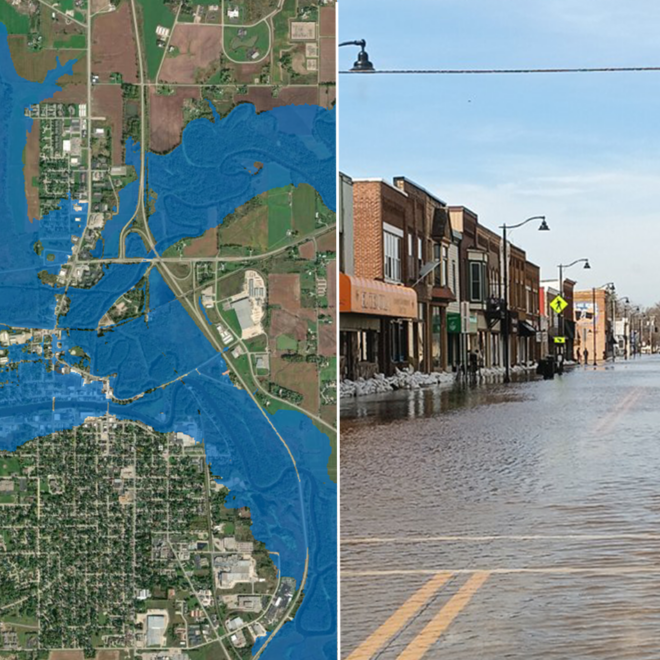
NOAA’s flood mapping tool now covers nearly 100% of U.S.
By fisheries.noaa.gov, fisheries.noaa.gov. NOAA’s National Weather Service announced today that Flood Inundation Mapping (FIM), a revolutionary tool for predicting river flooding, is now available on an experimental basis to nearly 100% of the U.S. population. This is a massive expansion from FIM’s prior coverage of 60% of the country. FIM… SEE MORE