Search for More Stories:
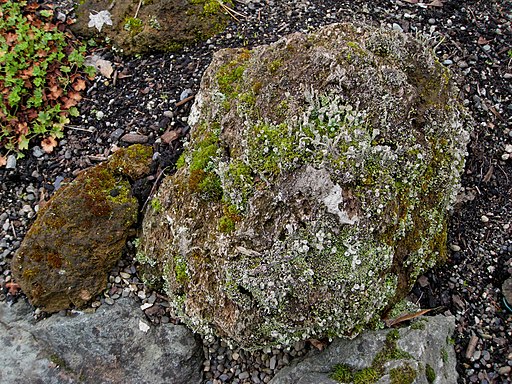
Worried about Sea Level Rise? Look for the Lichens.
By Ian Rose. One of the great infrastructure challenges of the next few decades is to figure out which coastal sites should be abandoned and which can be saved. Lichens can help. [caption id="attachment_45020" align="alignnone" width="512"] Lichen on rock via Wikimedia Commons[/caption] The clock is ticking for many low-lying coastal areas.… SEE MORE
What's Happening in the Ocean in Springtime?
By NOAA. When you think of springtime on land, you might think of birds migrating, flowers blooming, and leaves emerging. While these changes are happening on land, changes are happening in the ocean, too! But how can you tell if spring has sprung in the sea? This graphic explains some… SEE MORE
Ocean treaty: Historic Agreement Reached After Decade of Talks
By Esme Stallard. Nations have reached a historic agreement to protect the world's oceans following 10 years of negotiations. The High Seas Treaty aims to help place 30% of the seas into protected areas by 2030, to safeguard and recuperate marine nature. [caption id="attachment_45036" align="alignnone" width="512"] Green Sea Turtle grazing via… SEE MORE
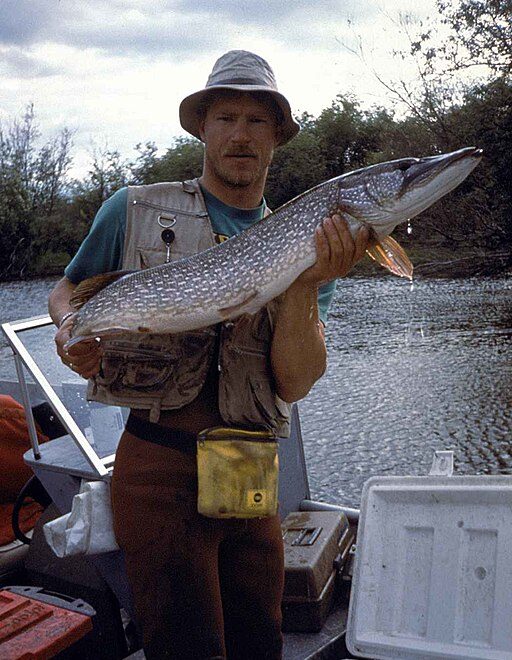
Fishing in Charleston, SC
By Adam Young, Our US Harbors Fishing Expert. Introduction Charleston and the surrounding areas have a strong and rich fishing heritage, and a little something for every type of angler. From backcountry salt marshes, to offshore fishing, there are countless opportunities to wet a line in this historical waterfront region.… SEE MORE
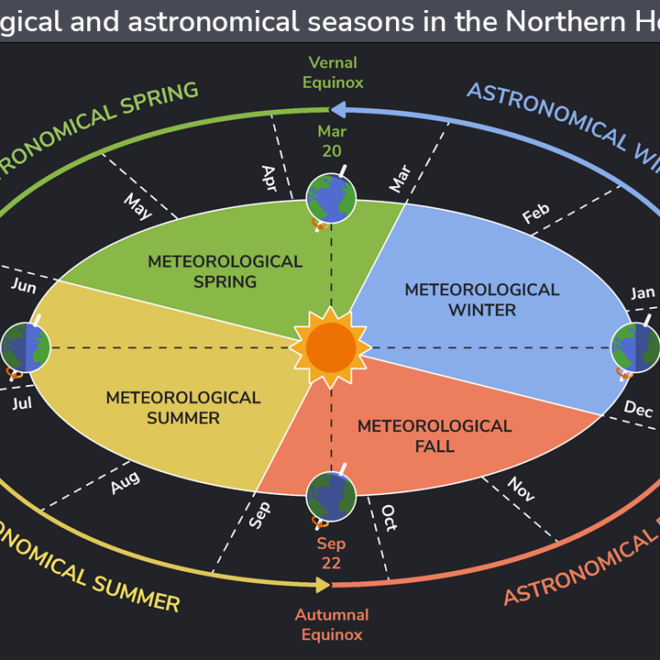
The Difference Between Meteorological and Astronomical Seasons
By NOAA. Astronomical seasons are based on the position of the Earth in relation to the sun, whereas meteorological seasons are based on the annual temperature cycle. The Earth’s annual trip around the sun forms the basis for the astronomical calendar in which seasons are defined by two solstices and… SEE MORE
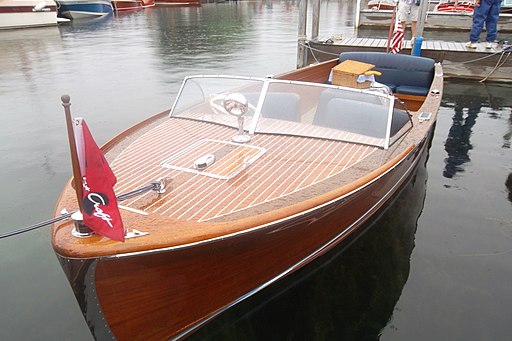
Going Electric
By soundingsonline.com As more builders introduce new models with electric propulsion, DIY types are converting their old boats with their own hands. When Dave and Danielle Baker and their two young children pull up to a marina and begin maneuvering into a slip, they often get wondering stares from people… SEE MORE
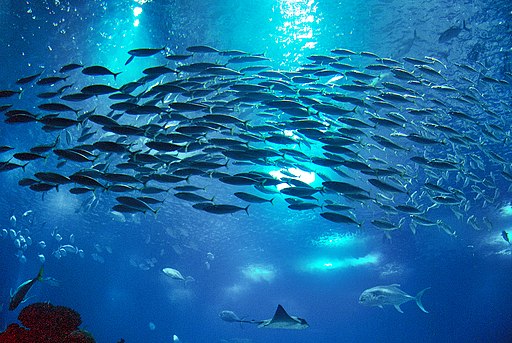
How Will Changes in Habitat Affect Fish in and Near the Chesapeake Bay?
By fisheries.noaa.gov NOAA-funded research has explored how different species, including the commercially important summer flounder and black sea bass, may change their habitat use due to climate change. In the Mid-Atlantic Bight—the coastal and estuarine waters from Cape Cod, Massachusetts, to Cape Hatteras, North Carolina—water temperature is increasing at twice… SEE MORE
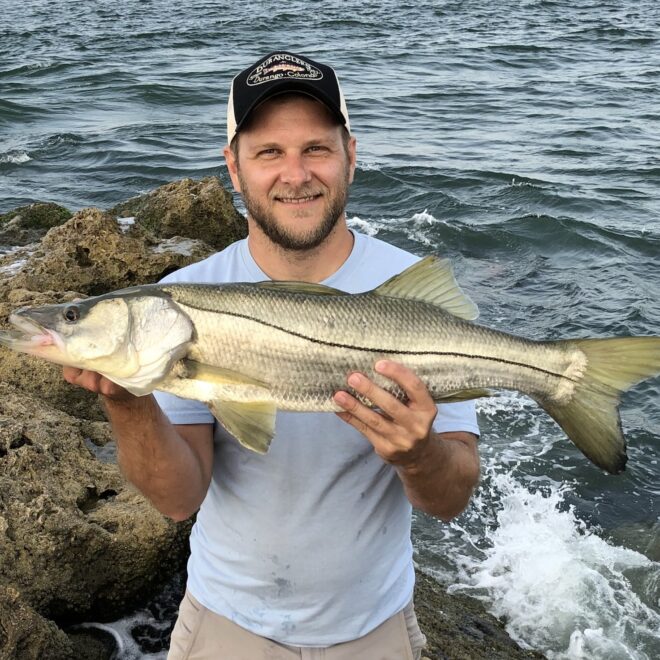
What Tide Is Best For Fishing?
By Adam Young. Our US Harbors Fishing Expert The impact of tides has huge implications when it comes to fishing and angler success. In fact, tides are some of the most powerful and influential forces on earth…but how can the common angler use these to their advantage? To start, anglers… SEE MORE
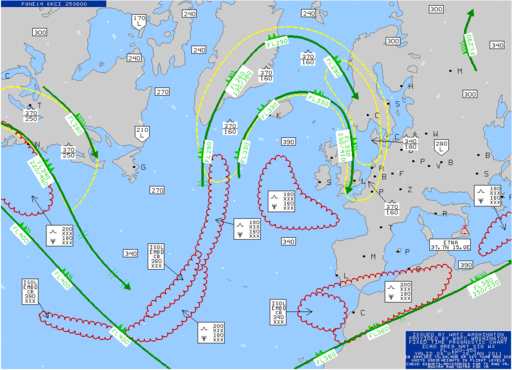
NOAA Explains: Why Electronic Charts are Better Than Paper
By noaa.gov NOAA Ocean Podcast: Episode 46 NOAA is moving into the digital age by phasing out paper nautical charts over five years. In this episode, we talk with NOAA Corps Capt. EJ Van Den Ameele, chief of Coast Survey's marine chart division, to learn how this transition will affect… SEE MORE
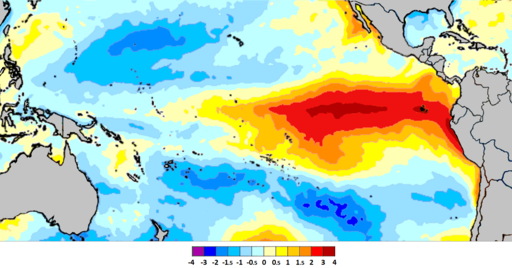
March 2023 ENSO update: no more La Niña!
By climate.gov La Niña—the cool phase of the El Niño-Southern Oscillation (ENSO) climate pattern—has left the building! After a year and half of non-stop La Niña, the tropical Pacific ocean-atmosphere system has transitioned to neutral, allowing NOAA to issue its “Final La Niña Advisory”. What can we expect for ENSO through the summer and… SEE MORE
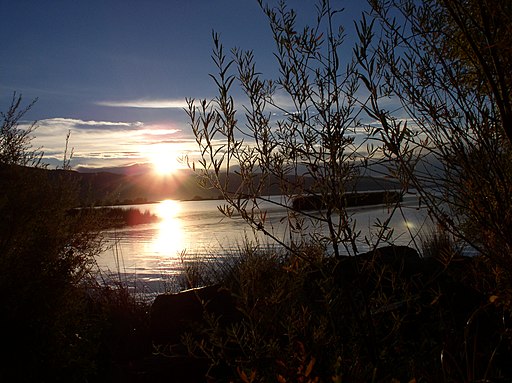
Equinox: Almost Equal Day and Night
By Aparna Kher Equinox in Latin means equal night, giving the impression that the night and day on the equinox are exactly 12 hours long. And even though this is common wisdom, it isn't entirely accurate. The day and night are only nearly equal on the September equinox and the March equinox. In fact, most locations on Earth… SEE MORE
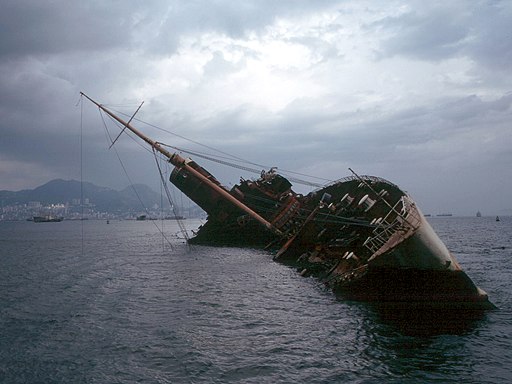
Newly released video shows Titanic wreckage before decades of deterioration
By Scott Stump New footage from the first time the wreckage of the Titanic was seen by human eyes has provided a rare look at the ship in its best condition since tragically sinking in 1912. The Woods Hole Oceanographic Institution recently released uncut footage from nearly 40 years ago… SEE MORE