Search for More Stories:
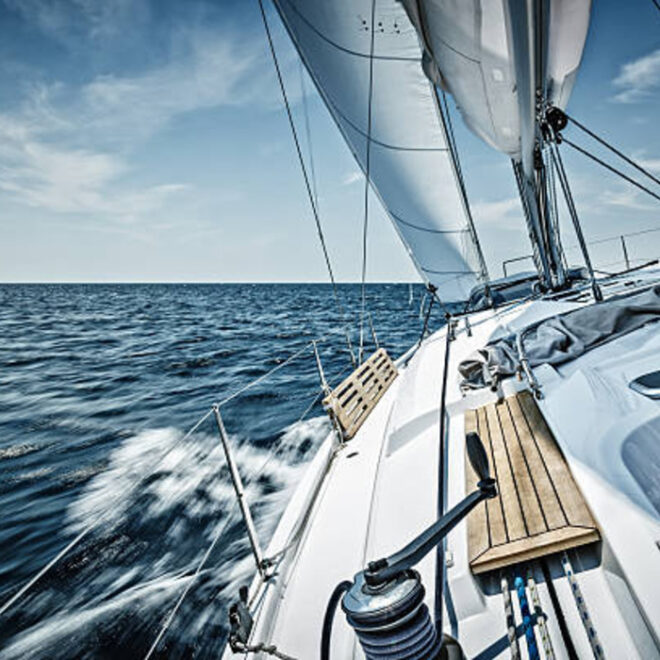
8 Common Misconceptions About Sailing
By Zeke Quezada. While at a dinner party recently, I was surrounded by a group of people who wanted to know more about sailing. Apparently, my wife does a good job of sharing our sailing adventures on social media so most of her friends wanted in on the adventurous world… SEE MORE
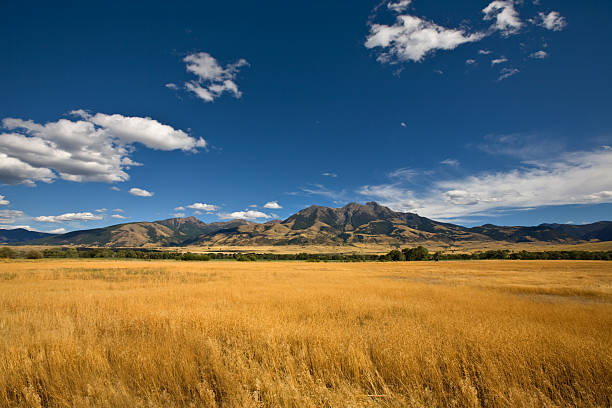
Spring Outlook: Warmer for most of U.S., wetter in the Southeast
By noaa.gov. Forecasters at NOAA’s Climate Prediction Center — a division of the National Weather Service — predict above-average temperatures for most of the Continental U.S. and Alaska, as part of NOAA’s Spring Outlook released today for April through June.Meanwhile, NOAA’s National Water Center predicts a lower-than-average flood risk across the entire country, due… SEE MORE
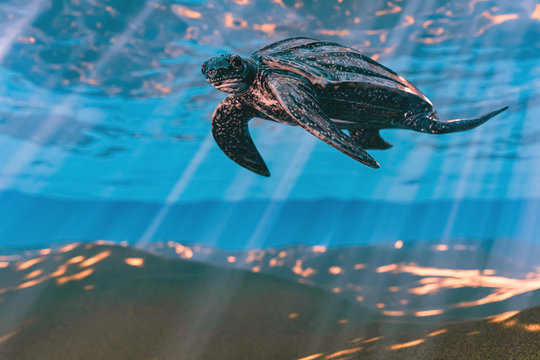
Where the Leatherbacks Roam
By fisheries.noaa.gov. Leatherback sea turtles are known to travel thousands of miles to move from warm, tropical and subtropical nesting areas to cooler, prey-rich feeding grounds. These locations—and the journey between them—are critical for supporting this species’ survival. New research has confirmed important foraging grounds along the Atlantic migration corridor for these aquatic… SEE MORE
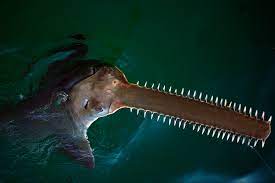
Emergency Response Effort for Endangered Sawfish
By fisheries.noaa.gov. The Florida Fish and Wildlife Conservation Commission is documenting reports of abnormal fish behavior, including spinning and whirling, in the Lower Florida Keys. Along with this abnormal behavior, there have also been reports of fish deaths in these areas, including more than 28 smalltooth sawfish as of March 24. The… SEE MORE
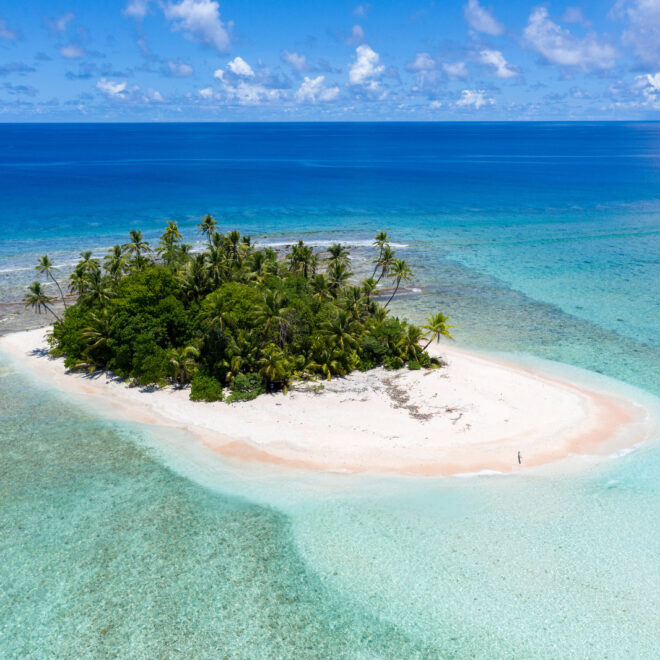
When Were Sea Levels Highest?
By Meg Duff. Sea levels are rising as climate change rapidly melts glaciers and ice sheets and the water within the oceans expands in a warming world. But have sea levels ever been higher than they are today? And when were they the highest? In short, sea levels have easily been… SEE MORE
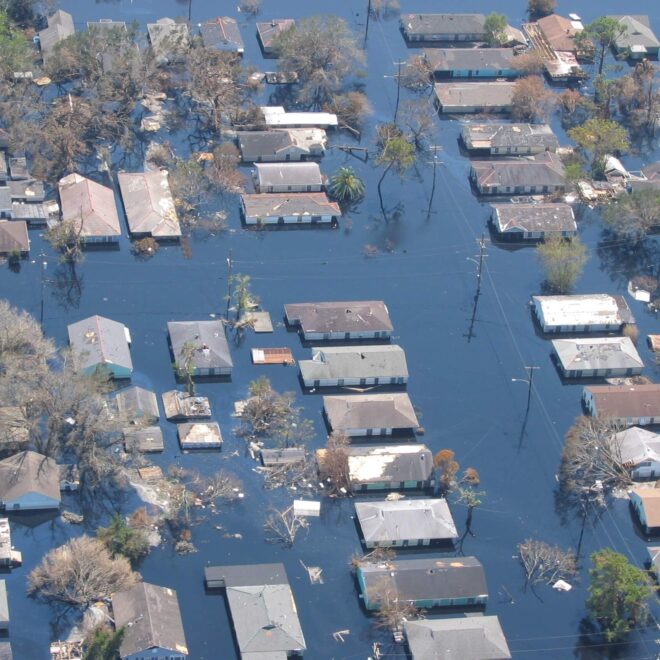
High Tide Flooding Outlook for April 2024
By US Harbors. Coastal Flooding Predictions for April 2024 April's highest tides will happen at the end of the 2nd week of the month, starting as early as April 7 in some places, and heading back to normal after the 11th or 12th. There are some location-specific outliers we're highlighting… SEE MORE
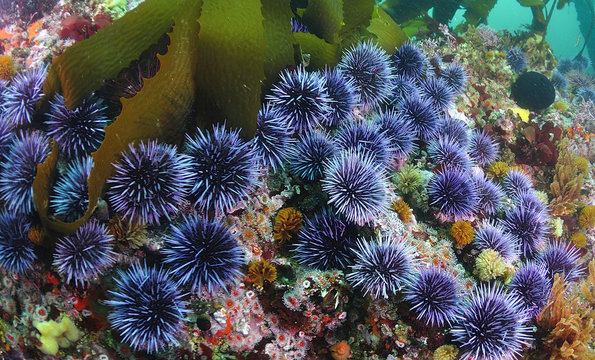
From Urchin Crushing to Lab-Grown Kelp, Efforts to save California’s Kelp Forests Show Promise
By Julie Watson. CASPAR BEACH, Calif. (AP) — A welding hammer strapped to her wrist, Joy Hollenback slipped on blue fins and swam into the churning, chilly Pacific surf one fall morning to do her part to save Northern California’s vanishing kelp forests. Hollenback floated on the swaying surface to… SEE MORE
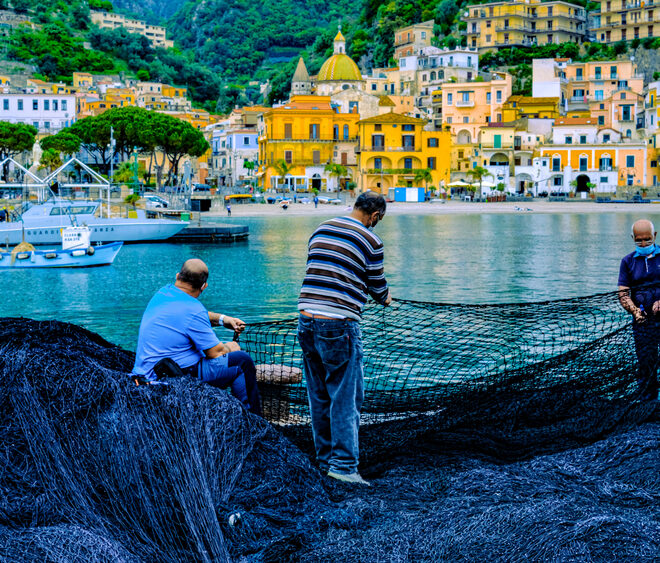
Transforming Waste Fishing Gear into Profitable Resources
By Paul Molyneaux. Discarded fishing gear is a major contributor to ocean pollution. According to Ben Kneppers, who along with David Stover and Kevin Ahearn, co-founded the fishing net recycling company, Bureo, around 600,000 tons of fishing gear ends up in the ocean every year and continues to kill marine life.… SEE MORE
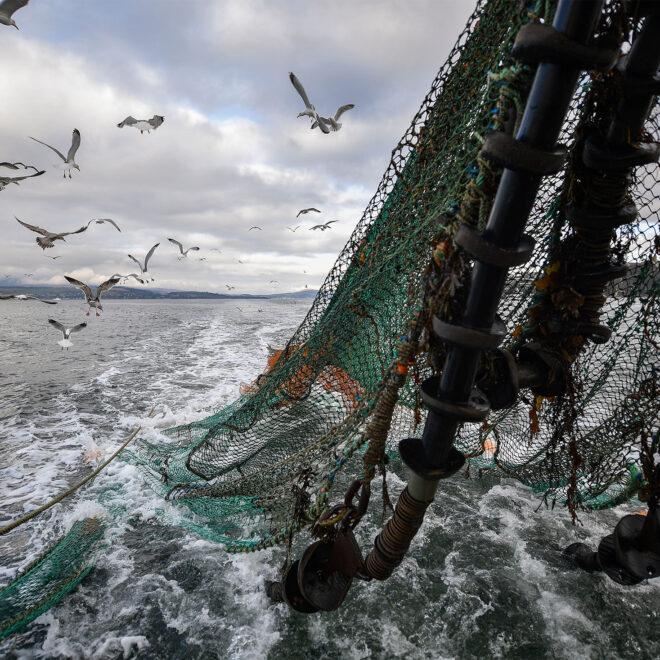
Virginia Lawmakers Move to Protect Commercial Fishermen from Harassment at Sea
By Larry Chowning. The Virginia General Assembly has passed HB 928, a bill designed to protect commercial fishermen and their boats from harassment at sea. The measure passed 38-1 by the state Senate and 99-0 in the lower House, and was signed on by legislative leaders in early March. Gov.… SEE MORE
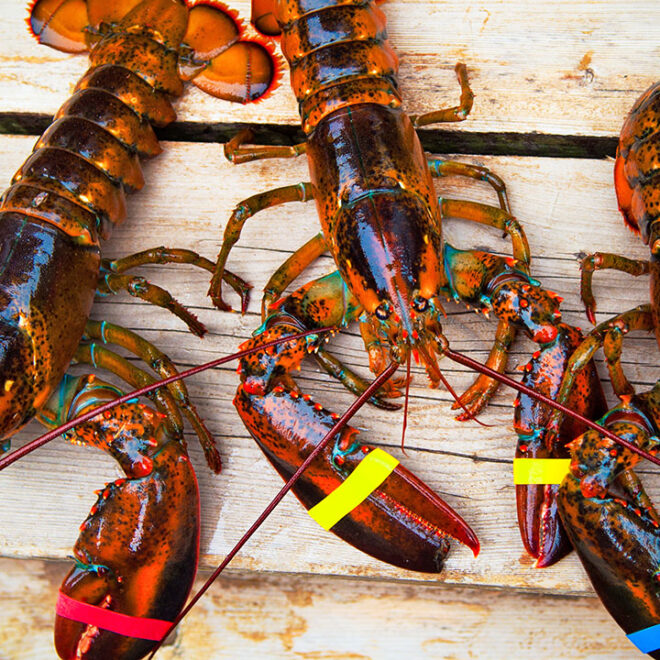
Lobster Community Address Increase to Lobster Size Limits
By Carli Stewart. The Lobster Institute's U.S.- Canada Lobster Town Meeting took place in mid-January to open dialogue within the lobster industry in the Northeast of the United States and Canada. The event included various industry members, including commercial fishermen, scientists, policymakers, managers, and association representatives. Together, these individuals came… SEE MORE
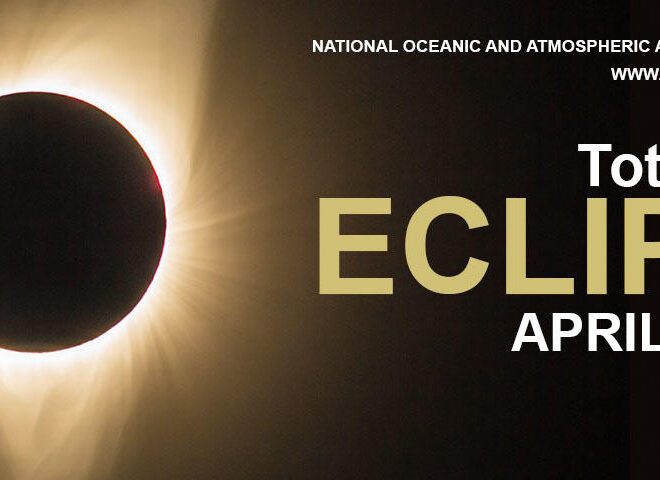
Take Your Head out of the Clouds to View the 2024 Total Solar Eclipse
By ncei.noaa.gov. Spring is on its way and “springing into action” means more than just the seasonal cleaning spree. You can also use your time to see one of the best outdoor events of the year—the total solar eclipse! We know, we know, the lyrics from ‘total eclipse of the… SEE MORE
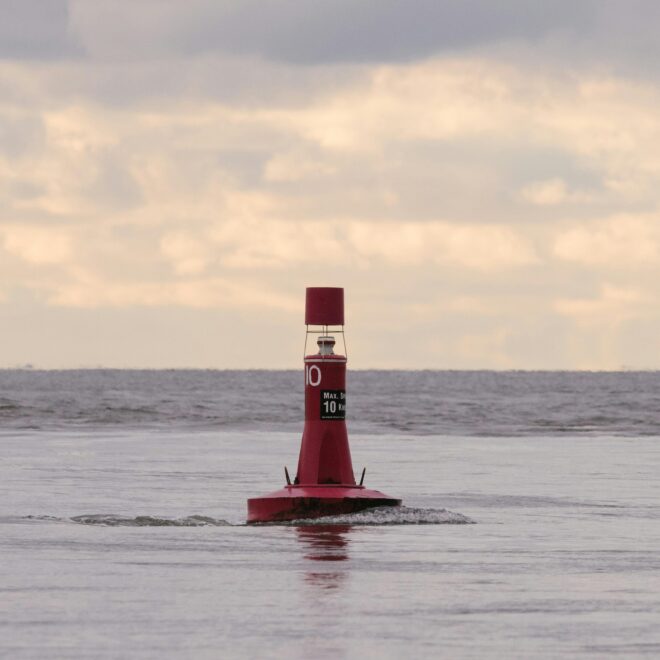
Understanding Navigation Aids: Buoys and Markers
By takemefishing.org. Lateral Markers These navigation aids mark the edges of safe water areas: for example, directing traffic within a channel. The markers use a combination of colors and numbers, which may appear on either buoys or permanently placed markers. Red Colors, Red Lights and Even Numbers These mark the… SEE MORE