Weather News & Resources Filter
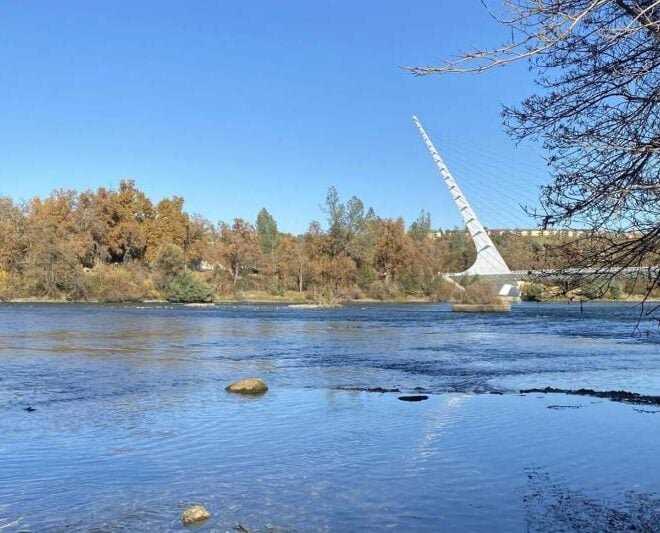
A Secret to Survival for California’s Most Endangered Salmon
By fisheries.noaa.gov, fisheries.noaa.gov. Traditional field research combined with new technology has revealed a secret to the survival of juvenile salmon as they form in their eggs, especially in low-water years when many do not survive, new research from NOAA Fisheries and the University of California, Davis shows. Sacramento River winter-run… SEE MORE
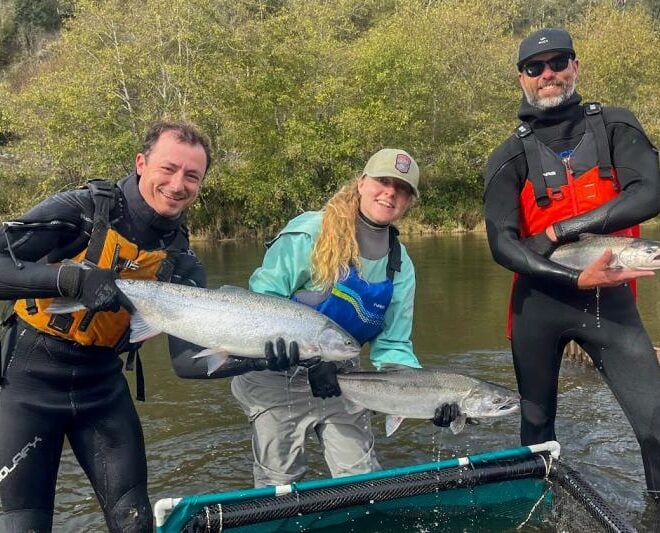
Can Habitat Restoration Help Salmon Recover? Prairie Creek Offers Clues
By fisheries.noaa.gov, fisheries.noaa.gov. This story is part 2 of a 2-part series. Read part 1. When any habitat restoration project finishes, a critical question remains: Will the project help threatened fish and other species recover? Answering that question requires rigorous long-term monitoring. At the Prairie Creek salmon habitat restoration project in Northern California,… SEE MORE
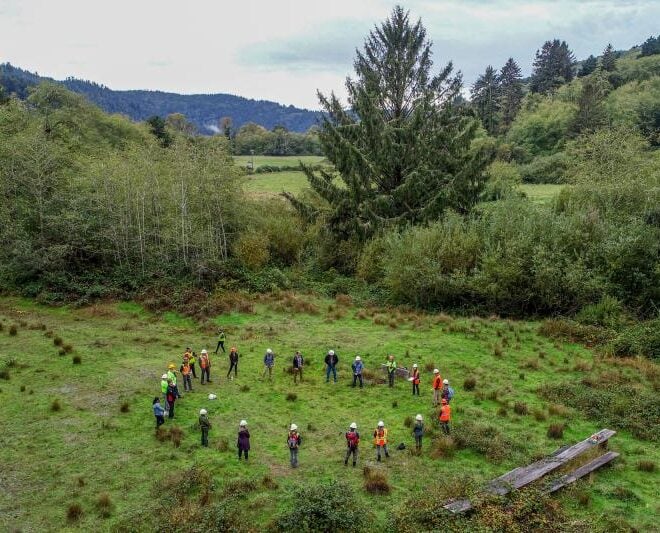
Restoring California’s Prairie Creek Supports Salmon Recovery and Local Community
By fisheries.noaa.gov, fisheries.noaa.gov. This story is part 1 of a 2-part series. Read part 1. For more than a decade, NOAA Fisheries and a broad coalition of partners worked to transform degraded fish habitat on California’s Prairie Creek into a thriving floodplain ecosystem for juvenile salmon and steelhead. Located in California’s redwood… SEE MORE
FEATURED CONTENT
2025 "Best Harbor" Contest Winners Announced
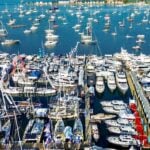
The People Have Spoken: Block Island Wins Again! Grand Winner, Best Harbor in the U.S. for 2025: Block Island, RI Last year’s Grand Winner for Best Harbor in the U.S., Block Island, RI, took home the prize again for 2025. This year saw a record number of votes cast for over… Learn More
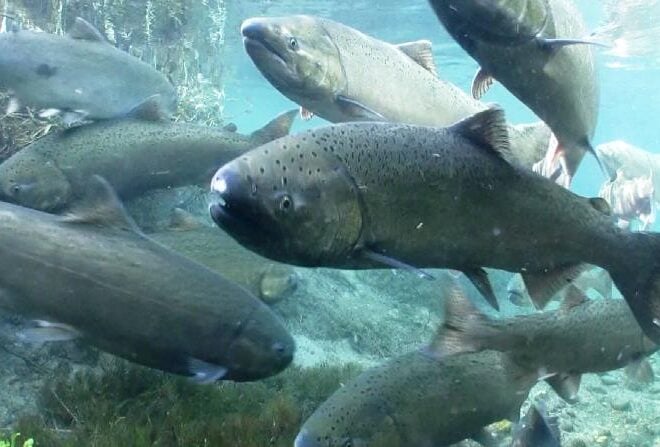
NOAA Fisheries Finds Listing Gulf of Alaska Chinook Salmon Under the Endangered Species Act “Not Warranted”
By fisheries.noaa.gov, fisheries.noaa.gov. NOAA Fisheries’ 12-month review shows a low risk of extinction. NOAA Fisheries has completed a status review and 12-month finding for Gulf of Alaska Chinook salmon in response to a January 2024 petition. The Wild Fish Conservancy petitioned to delineate and list one or more evolutionarily significant units (ESUs) of Gulf of Alaska Chinook salmon… SEE MORE
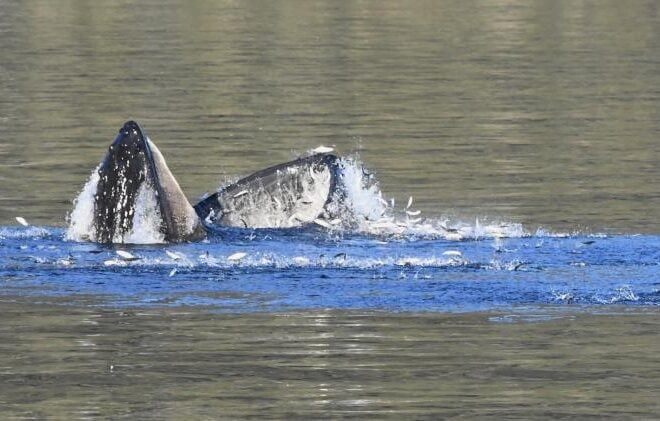
Capelin: a “Sea Canary” for Marine Ecosystem Change in Response to Heatwaves
By fisheries.noaa.gov, fisheries.noaa.gov. Capelin are a major forage fish species in high-latitude marine ecosystems. Recent heatwaves in Alaska led to a dramatic decline in capelin abundance, which can have major impacts on predators, including marine mammals, seabirds, and fish. Twenty years ago, Dr. George Rose with Memorial University of Newfoundland called capelin… SEE MORE
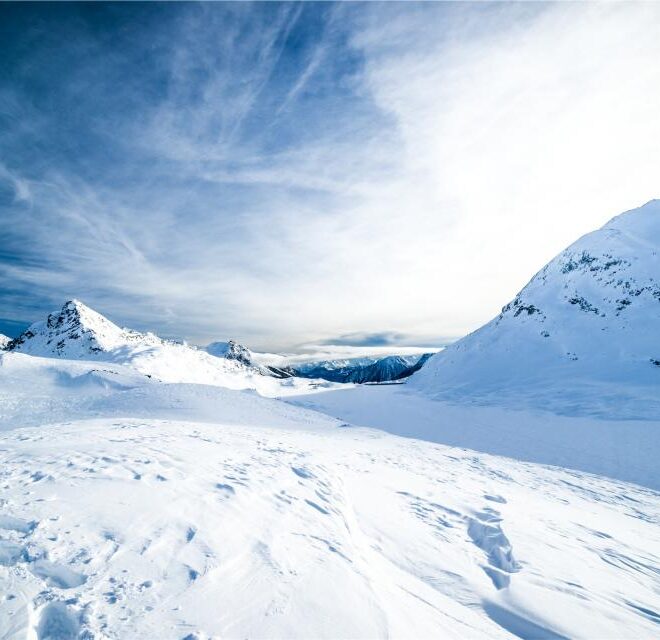
WHOI Scientist Hunts for 10-Million-Year-Old Ice in Antarctica
By Evan Lubofsky, whoi.edu. Ancient ice buried beneath Antarctica holds trapped air bubbles that serve as tiny time capsules of Earth’s atmosphere — and a WHOI geoscientist is pushing the record further back than ever before. Sarah Shackleton, who helped recover 6-million-year-old ice cores from Antarctica’s Allan Hills in 2023,… SEE MORE
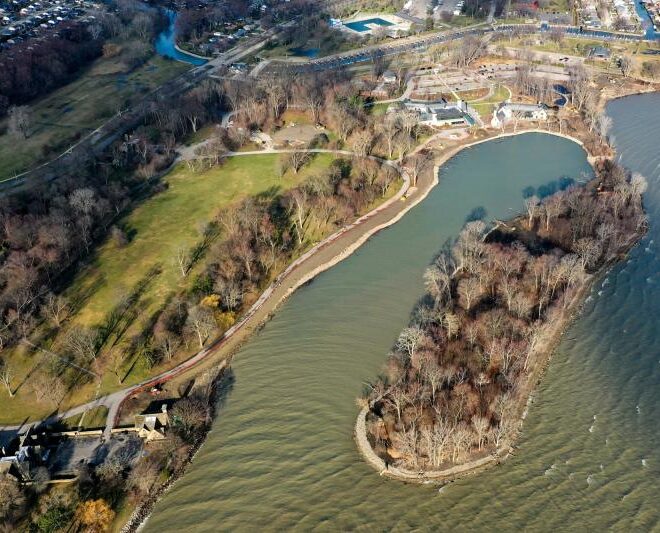
Restoring Habitat for Great Lakes Fish at the Historic Edsel and Eleanor Ford Estate
By fisheries.noaa.gov, fisheries.noaa.gov. With $7 million in funding from NOAA Fisheries, the Ford House estate on Lake St. Clair in Michigan is rebuilding shoreline habitat for fish and other wildlife while expanding access and educational opportunities for visitors. NOAA Fisheries’ Office of Habitat Conservation has established a unique partnership with Ford House, the… SEE MORE
![The aftermath of the Morrill Fire as seen from aircraft on March 14, 2026. [Image credit: Watch Duty/InciWeb]](https://www.usharbors.com/wp-content/uploads/2026/04/Aftermath-of-the-Morrill-fire.png-660x660.webp)
NOAA’s Wildfire Detection System a “Game Changer” for Nebraska’s Record-Breaking Morrill Fire
By noaa.gov, noaa.gov. When the Morrill Fire ignited on March 12, 2026, it quickly grew into the largest wildfire in Nebraska history. As the fire rapidly burned across the state, NOAA’s Next Generation Fire System (NGFS) provided the critical eye-in-the-sky perspective for the massive response to the record-breaking fire. The up-to-the-minute guidance… SEE MORE
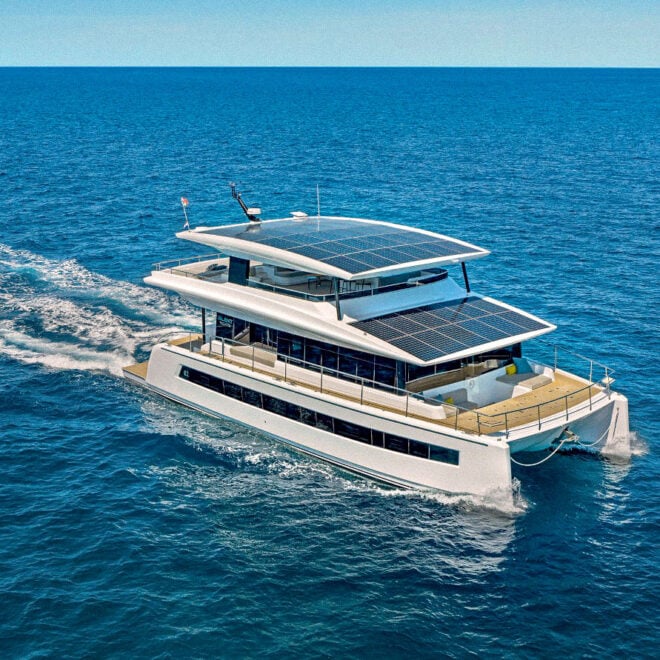
Solar Electric Yachts Extend Range
By YCC Team, Yaleclimateconnections.org. As solar-powered yachts become more prevalent, harbor and marina operators face new infrastructure considerations including electrical capacity for battery charging, appropriate dock assignments for vessels with rooftop solar arrays, and understanding the operational patterns of these emerging zero-emission vessels. The technology represents a shift that could… SEE MORE
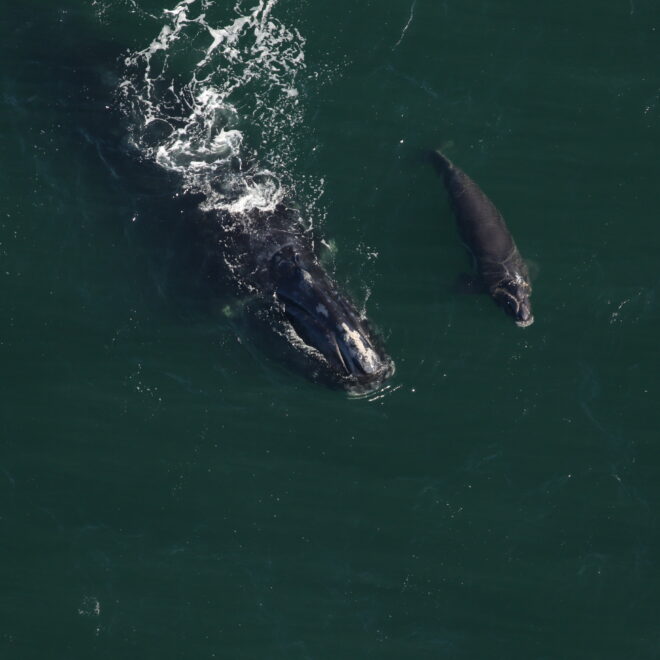
North Atlantic Right Whale Calving Season 2026
By fisheries.noaa.gov, fisheries.noaa.gov. The right whale calving season begins in mid-November and runs through mid-April. Researchers have identified 15 calves so far this calving season. Every single female North Atlantic right whale and calf are vital to this endangered species’ recovery. Since 2017, the whales have been experiencing an Unusual Mortality Event, which… SEE MORE
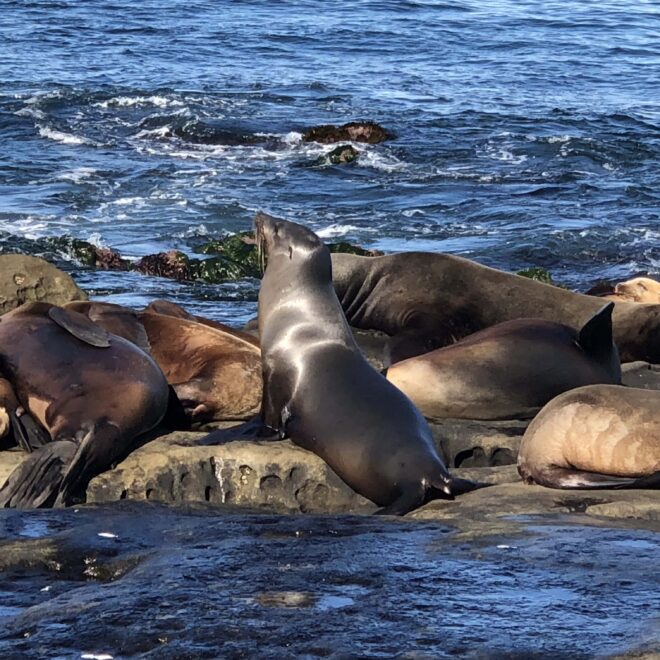
Toxic Algae Bloom Overwhelms California Marine Rescuers as Sea Lions Fall Ill
By Dawn Anderson, Published in best4boats.com. A severe harmful algal bloom along Southern California’s coast is creating hazardous conditions not only for marine mammals but also for boaters and beachgoers who may encounter disoriented or aggressive sea lions. The crisis highlights growing concerns about ocean health along one of America’s… SEE MORE
Celebrating Habitat Month
By fisheries.noaa.gov. Join us in celebrating Habitat Month 2025! Learn about how NOAA Fisheries’ Office of Habitat Conservation is working to restore habitat to support fisheries, protected species, and coastal communities. July is Habitat Month at NOAA Fisheries! All month long, we’ll be sharing how we protect and restore habitat to sustain… SEE MORE
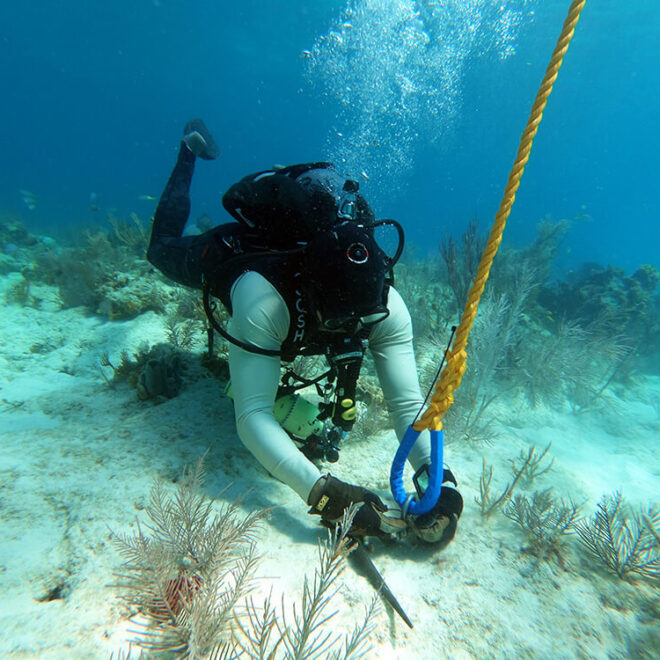
NOAA Staff Have Been Busy Installing Mooring Buoys for Public Use Across America
By sanctuaries.noaa.gov. Mooring buoys are a vital part of the infrastructure in many national marine sanctuaries. These buoys make it safer and easier for boaters, divers, paddlers, and snorkelers to access sanctuary sites—while protecting sensitive resources like coral reefs, seagrass beds, and historic shipwrecks from anchor damage. Across the sanctuary… SEE MORE
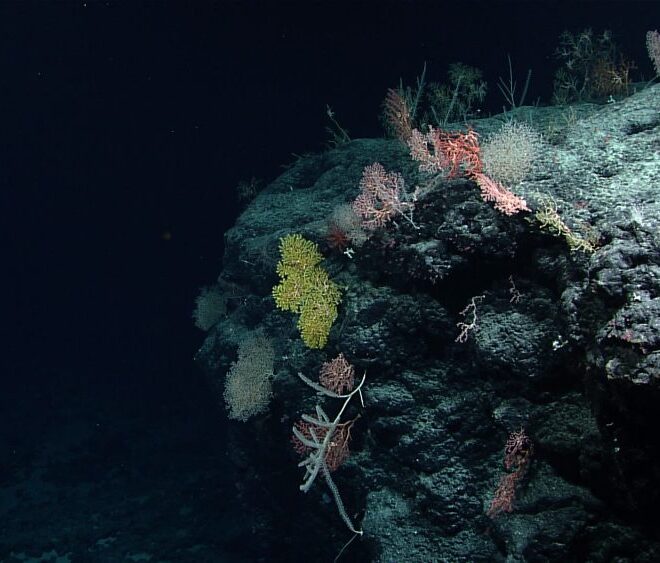
Five Reasons Seamounts Matter
By sanctuaries.noaa.gov. Just like on land, there are vast mountains that lie deep beneath the ocean’s waters. Seamounts are underwater mountains that rise at least 3,300 feet (1,000 meters) from the surrounding seafloor, most of which include the remains of extinct volcanoes. These submarine mountains can be found in every ocean basin… SEE MORE
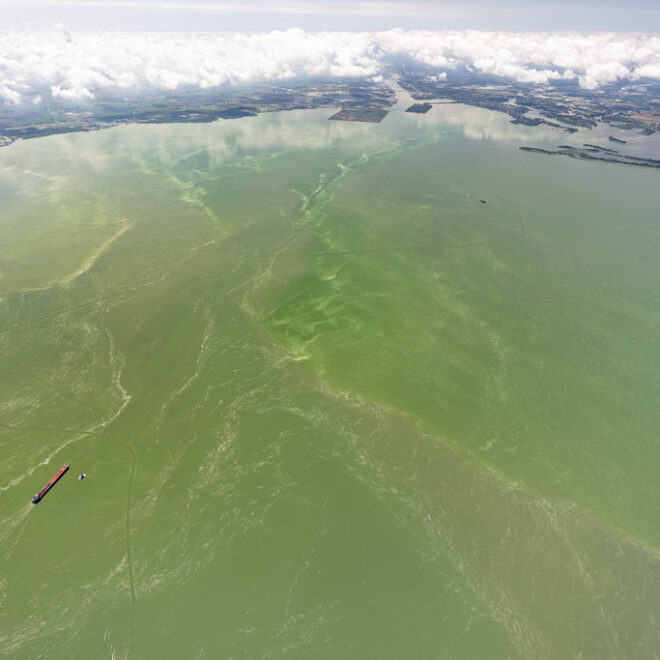
Mild to Moderate Harmful Algal Bloom Predicted for Western Lake Erie
By noaa.gov. NOAA and its research partners are forecasting a mild to moderate harmful algal bloom (HAB) in western Lake Erie this summer. This year’s bloom is expected to measure 3 on the HAB severity index, with a potential range of 2–4. The HAB severity index is based on the… SEE MORE