Search for More Stories:
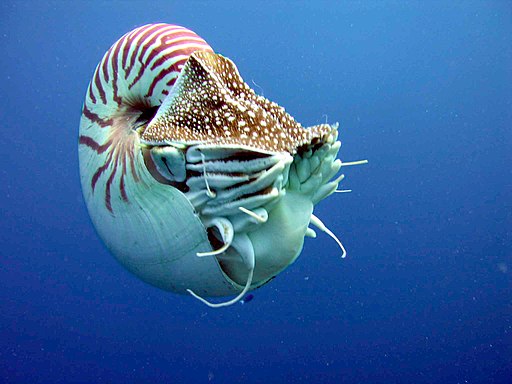
Five New Deep-Sea Lobster Species Recently Discovered
By www.nationalfisherman.com Planned and executed around US government priorities to close knowledge gaps, the E/V Nautilus expeditions in 2022 discovered five new species of deep-sea squat lobster. The photograph below, captured by Paula C. Rodríguez-Flores shows a new species of squat lobster, the Munidopsis nautilus, named in honor of OET… SEE MORE
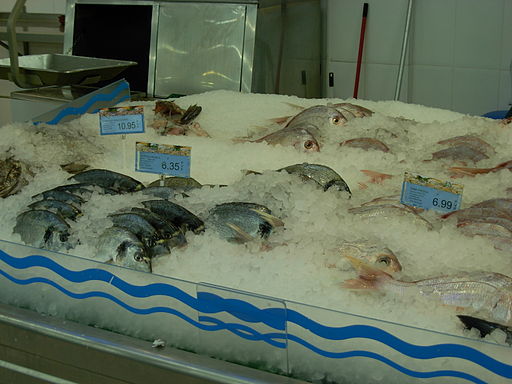
How Long Can You Keep Fish on Ice?
By tacklevillage.com The short answer is fish will last up to five days on ice – but if you don’t gut and bleed the fish first, it will only last a day or two before the flavor and quality of the fish suffer. But that’s not always practical, as Teresa… SEE MORE
2023 Northeast Experimental On-Demand Gear System Testing Launched
By fisheries.noaa.gov Overview On-demand (ropeless) lobster pot gear on the deck of a commercial fishing vessel In August 2022, our science center received an exempted fishing permit allowing up to 100 vessels at a time to help test and improve on-demand gear systems. This effort continues and expands our trials… SEE MORE
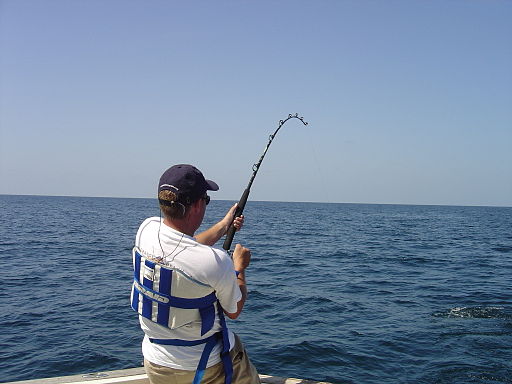
How to Fish: Fishing Tips for Beginners
By www.discoverboating.com You may have recently discovered just how much fun freshwater fishing can be, or maybe some recent saltwater fishing excitement has got you hooked on the sport, but no matter how and where you fish there are some basic fishing tips for beginners that all anglers need to… SEE MORE
Farming Sea Scallops in Maine Offers New Opportunities and Builds Community Resilience
By fisheries.noaa.gov See how farming sea scallops in Maine is helping fishermen and coastal communities face new challenges and adapt. Fishermen lowers sea scallops into the water. Credit: NOAA Fisheries. Aquaculture of sea scallops in Maine has been steadily developing for about 20 years. This type of seafood farming offers… SEE MORE
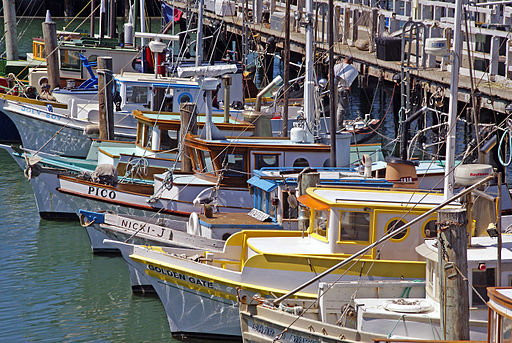
How Many Rod Holders Does a Boat Need?
By www.saltwatersportsman.com More rod holders are better, but is there a point when enough is enough? [caption id="attachment_44575" align="alignnone" width="512"] woman_fishing_with_rod_holder via Wikimedia Commons[/caption] Some modern fishing boats have fishing rod holders lining the gunwales from stem to stern, and others come with a mere two in the stern. Which… SEE MORE
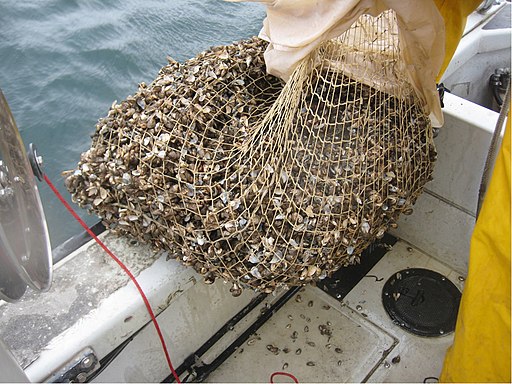
How to Keep Your Vessel and Waters Clean of Invasive Species
By www.thelog.com [caption id="attachment_44550" align="alignnone" width="602"] Albert Bridge / Zebra mussels sign[/caption] Invasive species such as mussels can attach to boats and hinder performance and your boat's life, end up in engine-cooling components, causing failure, and obstruct water lines causing system failure and costing the boat owner lot to repair.… SEE MORE
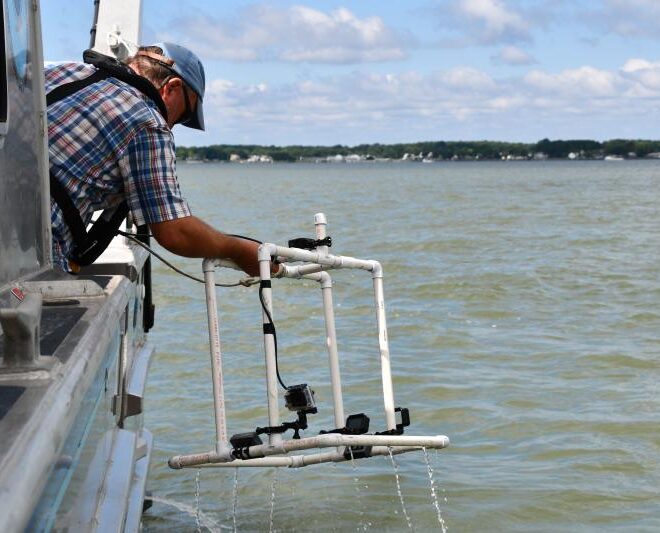
Funding Opportunity Open for Chesapeake Bay Fisheries Research
By fisheries.noaa.gov Apply by April 17 for funding to support research on how climate change is affecting habitat and fisheries. Up to $1.5 million in grant funds are available to support research into how key Chesapeake Bay fisheries species change their behavior to deal with changing habitat and climate. Applications are due April… SEE MORE
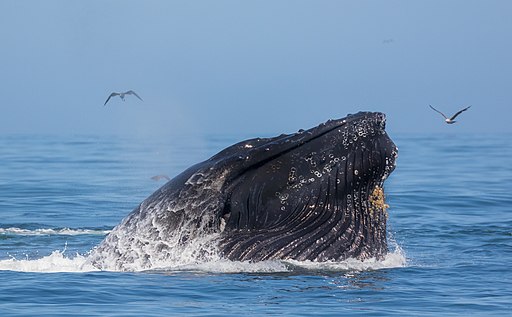
How much microplastic do whales eat? Up to 10 million pieces per day, Stanford research finds
By news.stanford.edu Analysis of ocean plastic pollution and whale foraging behavior tracked with noninvasive tags shows whales are ingesting tiny specks of plastic in far bigger quantities than previously thought, and nearly all of it comes from the animals they eat – not the water they gulp. BY JOSIE GARTHWAITE… SEE MORE
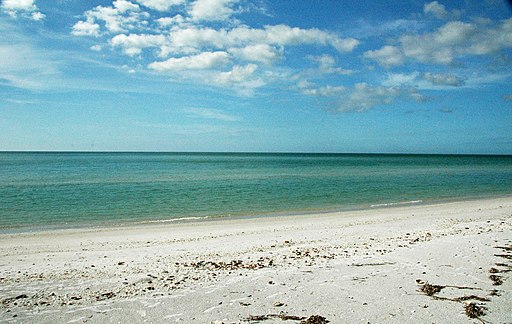
Feeding the Sea
By earthobservatory.nasa.gov Editor’s note: Phytoplankton fuel ocean life by feeding other plankton, fish, and ultimately bigger creatures. This video explores the diversity of phytoplankton in the oceans and shows why these plant-like organisms play such a crucial role in life on Earth. In some of the images, color-filtering techniques were… SEE MORE
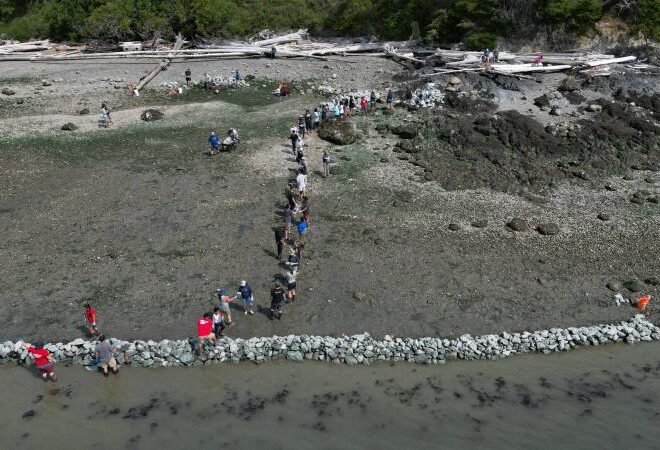
Swinomish Clam Garden to Bolster Littleneck Clam Populations
By fisheries.noaa.gov Reviving a 3,500-year-old indigenous mariculture practice with funding from NOAA. First Modern Clam Garden The Swinomish Tribe and other Coast Salish Indigenous peoples hold a rich history of practicing shellfish mariculture in Alaskan and Washington waters. For more than 3,500 years, native communities created clam gardens by constructing… SEE MORE
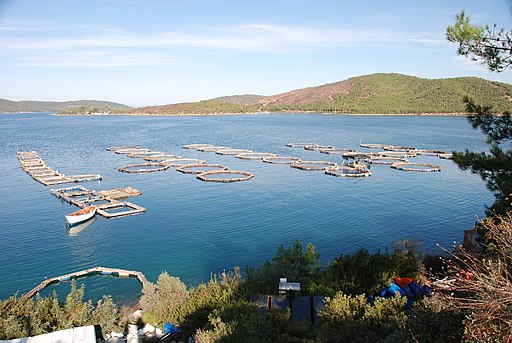
Does Rebuilding an Island Rebuild Fish Habitat?
By fisheries.noaa.gov Scientists from the NOAA Chesapeake Bay Office are investigating whether fish are using restored areas at Maryland’s Poplar Island. [caption id="" align="alignnone" width="800"] Scientists retrieve fish caught in a fyke net near Poplar Island to record species, number, and lengths. Photo: NOAA Fisheries/NOAA Chesapeake Bay Office[/caption] Scientists at… SEE MORE