Search for More Stories:
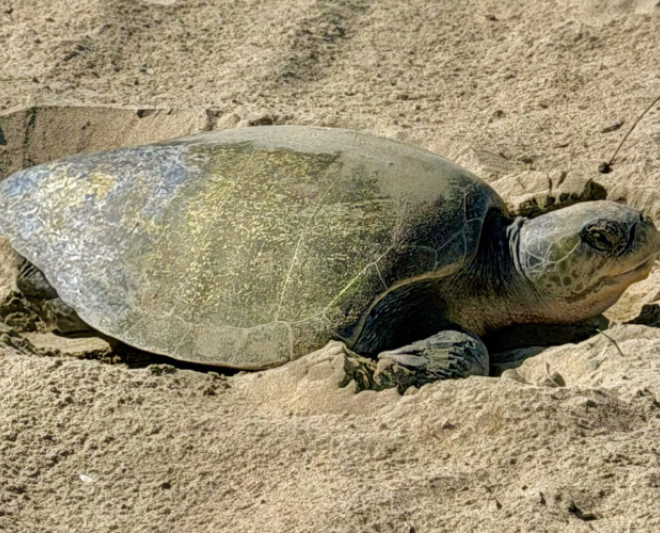
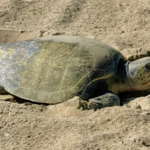
First-Ever Olive Ridley Sea Turtle Nested in California
By fisheries.noaa.gov, fisheries.noaa.gov. An olive ridley sea turtle was observed digging a nest and laying eggs on the beach near Seal Beach, in Orange County, California on September 16, 2026. This is the first-ever recorded nest for any sea turtle species on the U.S. West Coast. The nesting female was discovered about 3 p.m.… SEE MORE
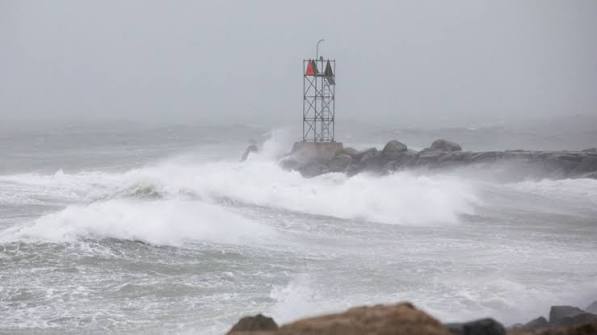
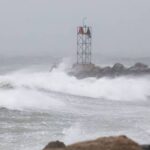
Weekend nor’easter likely to bring damaging winds, coastal flooding
By noaa.gov, noaa.gov. Forecasters at NOAA’s National Weather Service (NWS) are monitoring a powerful nor’easter bringing damaging wind gusts and dangerous coastal flooding to the Northeast this weekend. The New York City metro area and New Jersey may be especially impacted by this storm. A rapidly deepening storm along the… SEE MORE
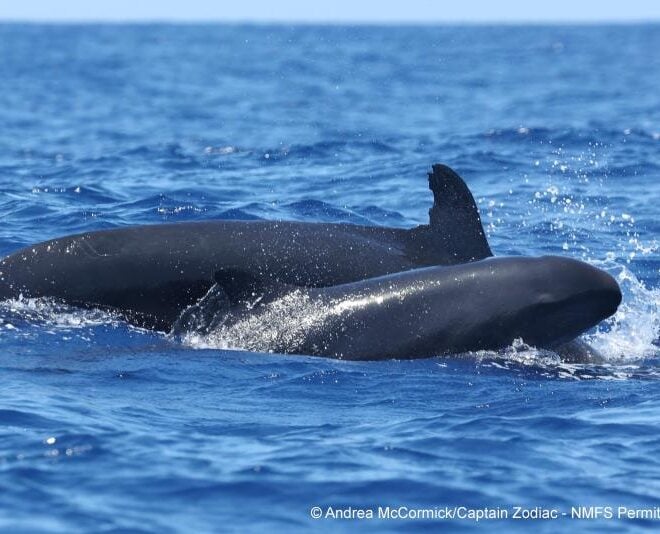
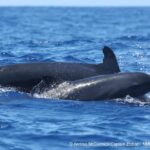
Seeing Double: Good News for Rare False Killer Whales in Hawaiʻi
By fisheries.noaa.gov, fisheries.noaa.gov. Research partners spotted two endangered main Hawaiian Islands insular false killer whale calves this year, and they’re starting to grow up! This is a rare and exciting discovery for this small, resident population of only about 140 individuals [caption id="" align="alignright" width="437"] Range of the endangered main… SEE MORE
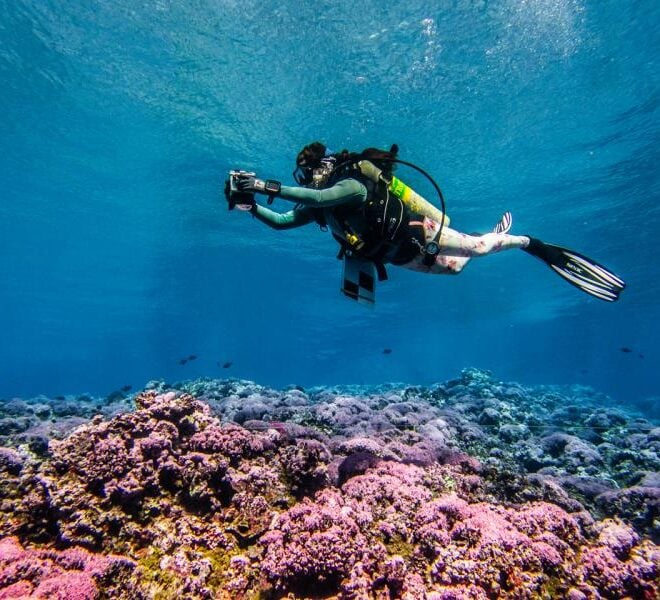
2026 Pacific Coral Surveys Complete
By fisheries.noaa.gov, fisheries.noaa.gov. NOAA scientists returned from American Samoa and the Pacific Islands Heritage Marine National Monument after conducting coral reef monitoring surveys. The team sailed south from Honolulu to Jarvis Island, Palmyra Atoll, and Kingman Reef, where they completed their suite of surveys. After a 2,000 kilometer transit down… SEE MORE
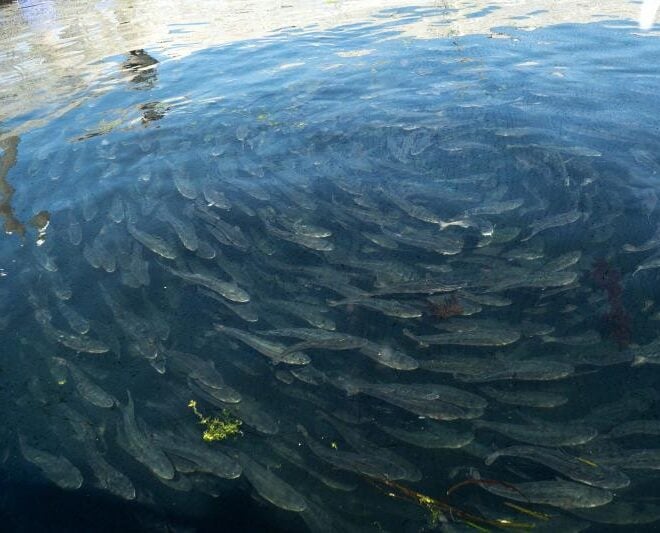
Managing Genetic Risk in Offshore Aquaculture
By fisheries.noaa.gov, fisheries.noaa.gov. Aquaculture can sustainably produce seafood to complement wild-caught fisheries. However, like all food systems, aquaculture requires sound science to ensure farmed species don’t harm wild species. Scientists at NOAA’s Southwest Fisheries Science Center are working to understand the genetic risks in offshore aquaculture. NOAA has identified 21,000… SEE MORE
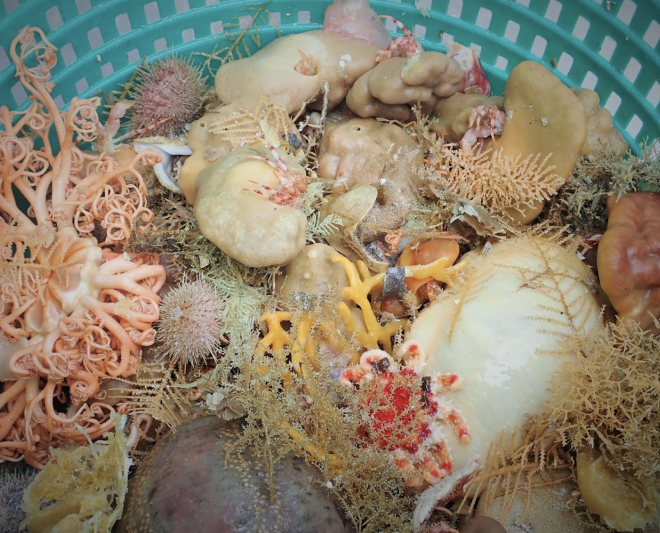
Nine Species of Deep-Sea Sponges Discovered in Alaska
By fisheries.noaa.gov, fisheries.noaa.gov. Scientists have discovered nine new species of sponges in the Gulf of Alaska and Aleutian Islands. The specimens were collected during the Alaska Fisheries Science Center’s long-standing annual bottom trawl surveys, which monitor the condition of groundfish and shellfish stocks in Alaskan waters. For these sponge studies, researchers… SEE MORE
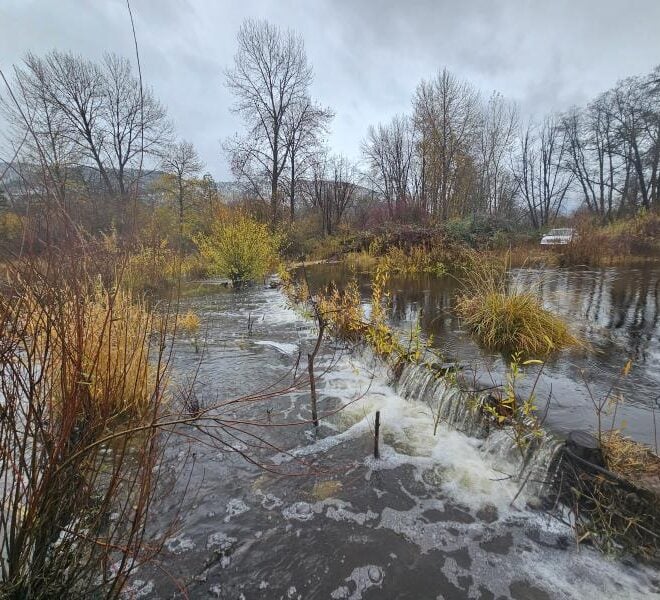
Start-Up Beaver Dams Transform Parched California Creeks into Salmon Havens, New Research Finds
By fisheries.noaa.gov, fisheries.noaa.gov. Battered by early gold mining and diminished by logging and diversions,the lower section of Sugar Creek often ran dry in summer. The tributary of the Scott River in Northern California’s Klamath Basin once supported coho salmon—but as it diminished, so did they. In 2014, NOAA Fisheries researchers… SEE MORE

Concrete Ships Hiding in Plain Sight: The Forgotten Breakwaters of America's Harbors
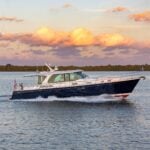
By Jordan Hanssen, best4boats. There's a good chance a concrete ship is lurking in your local harbor — and you've never noticed. Built during both World Wars when steel was scarce, concrete vessels served as tankers, barges, and cargo carriers before finding a remarkably durable second life as breakwaters in… SEE MORE
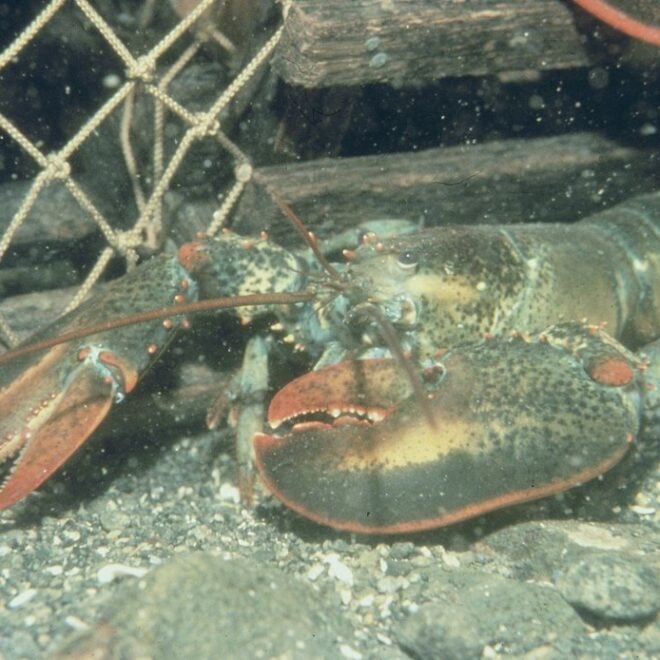
Is Offshore Construction Noise Stressing New England's Lobsters? WHOI Scientists Want to Know
By Kiran Johnson, whoi.edu. As offshore wind farms multiply along the New England coast, a question with real consequences for one of the region's most valuable fisheries is getting its first rigorous scientific investigation: does the noise from wind farm construction affect the American lobster? WHOI scientists are working alongside… SEE MORE
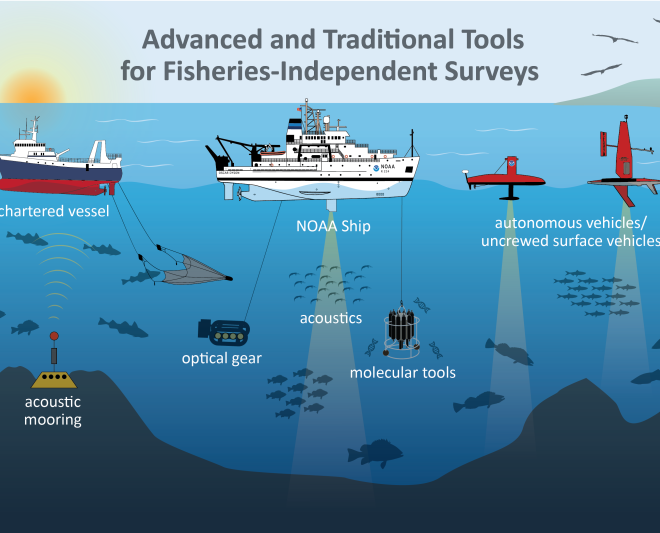
Charting the Future of Fisheries-Independent Surveys
By fisheries.noaa.gov, fisheries.noaa.gov. Fisheries-independent surveys operate on dedicated survey vessels and are the foundation of sustainable fisheries management. They provide the consistent data on marine resources we need to inform stock assessments. These data are collected using a scientifically rigorous sampling framework and are used to set catch limits. As… SEE MORE
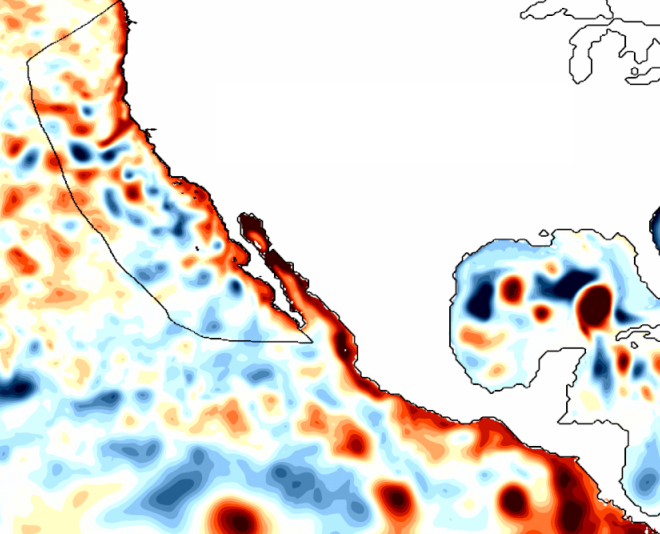
Ocean Indicators We’re Tracking for El Niño’s Arrival on the West Coast
By fisheries.noaa.gov, fisheries.noaa.gov. Has El Niño reached the West Coast? You might think it has. After all, the ocean off Southern and Central California is unusually warm. But that is from a recent marine heatwave predates the current El Niño. Much of the Pacific Coast is experiencing relatively normal conditions while still… SEE MORE
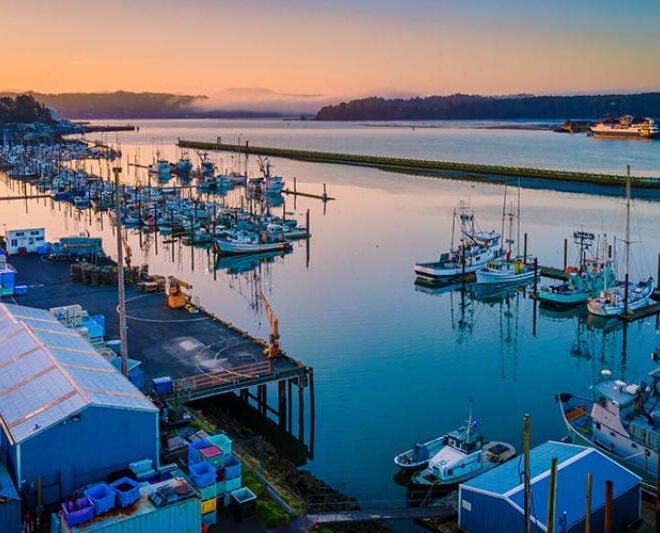
Agency Reforms Aim to Restore American Seafood Competitiveness
By fisheries.noaa.gov, fisheries.noaa.gov. On July 2, 2026, NOAA Fisheries sent Regional Priorities guidance, providing the regional fishery management councils a clear roadmap of actions designed to reduce regulatory burdens and better support the health of the seafood industry, while maintaining the public trust duty to maintain stock and ocean ecosystem health.… SEE MORE