Search for More News:
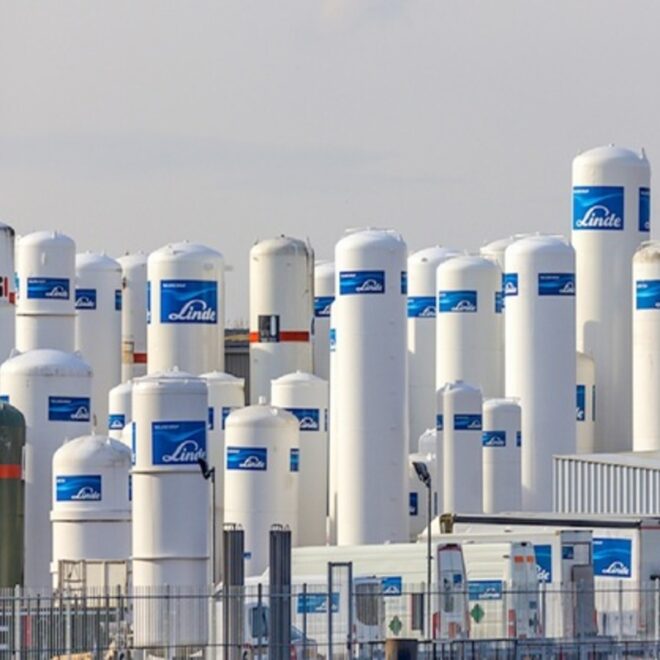
How to Produce Hydrogen Gas as Cleanly as Possible
By Brian Owens. Green hydrogen? More like electrification with extra steps. As humanity works to slash greenhouse gas emissions and stem the pace of planetary warming, scientists, governments, and industry leaders are looking for low-carbon alternatives to fuel the future. Alongside renewables such as solar and wind energy, hydrogen gas… SEE MORE
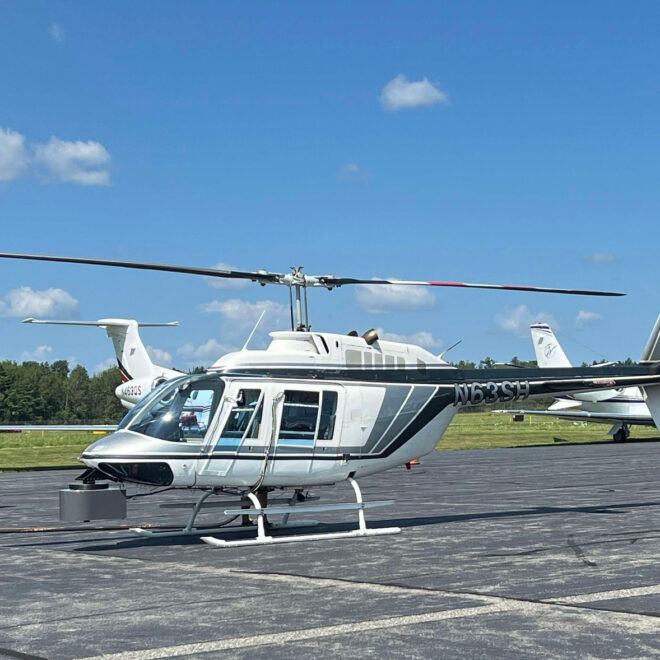
Where Do Atlantic Salmon Go to Beat the Heat?
By fisheries.noaa.gov. As a key river habitat warms, researchers race to protect cold water patches critical to salmon survival. Researchers have successfully used cameras operated from a helicopter to map surface water temperatures in Maine’s Narraguagus River. This is an important step toward habitat conservation for endangered Atlantic salmon and… SEE MORE
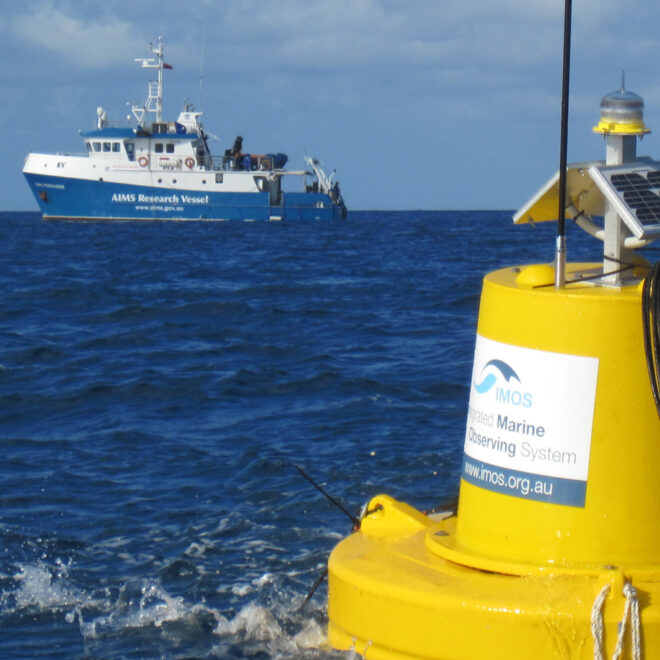
Marine Weather Forecasts Are Getting an AI Upgrade
By Vanessa Minke-Martin Machine learning systems—powered by new data—are taking some of the guesswork out of maritime safety. Jake Spink fished British Columbia’s craggy coast for four decades. Now, as the president of the British Columbia Coast Pilots—an association of highly trained captains that guide thousands of tankers, cruise ships,… SEE MORE
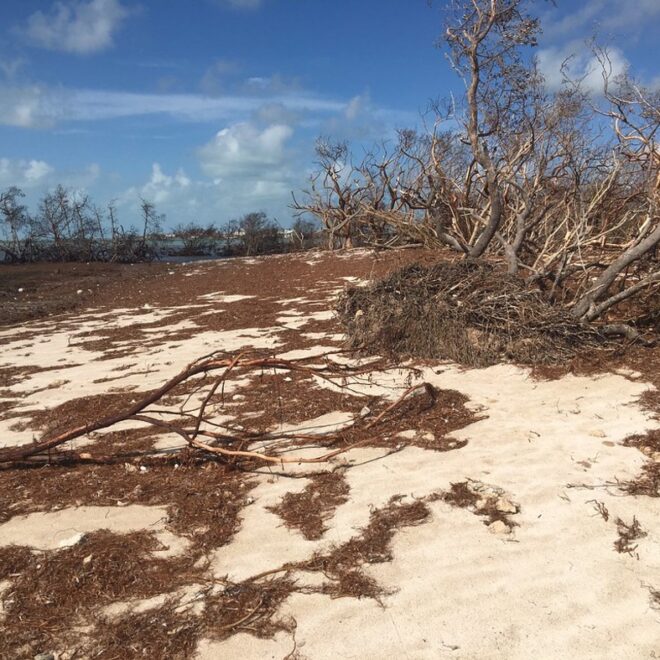
For an Ecosystem in Crisis, Recovery Can Take Ages
By Moira Donovan. A massive environmental calamity rocked the ancient Mediterranean. It took millions of years for the ecosystem to recover. In the late Miocene epoch, roughly 5.9 million years ago, calamity befell the Mediterranean Sea. In a period of roughly 600,000 years, tectonic uplift sealed the gateway between Europe… SEE MORE
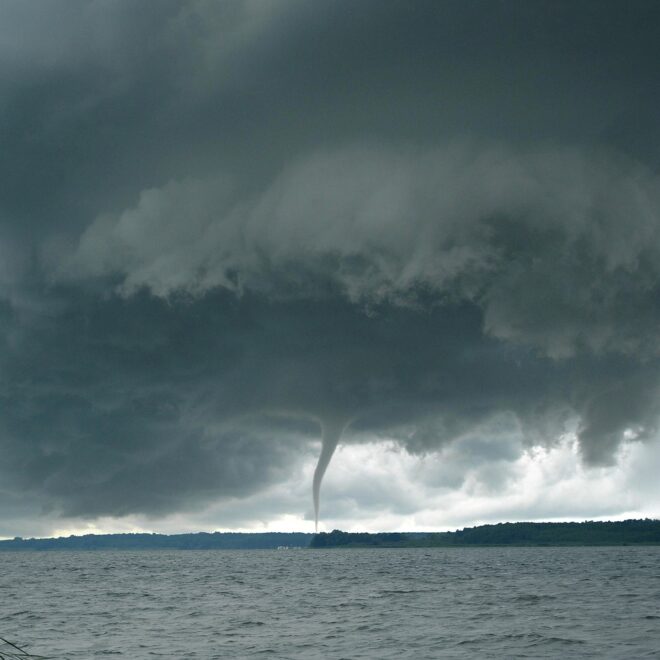
Is Deforestation Supercharging Cyclones?
By Erica Gies. The airborne water cycle, destabilized by industrial logging and other land use, may be a hidden force behind growing superstorms. Hurricane Helene devastated the southeastern United States at the end of September 2024, dumping unprecedented levels of rain. Then, just two weeks later, Hurricane Milton rapidly revved… SEE MORE
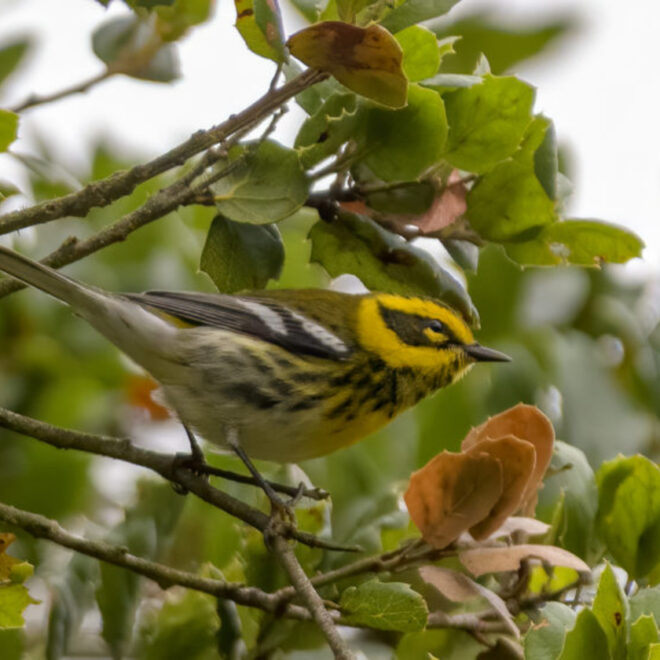
Listening In on the Mysterious Marbled Murrelet
By Moira Donovan. Applying machine learning to forest soundscapes helps researchers pinpoint rare and threatened birds. The marbled murrelet is an elusive creature. At sea, the stubby seabird dives at the first sign of predators. On land, it lays its eggs high in the mossy branches of the Pacific Northwest’s old-growth forests—a… SEE MORE
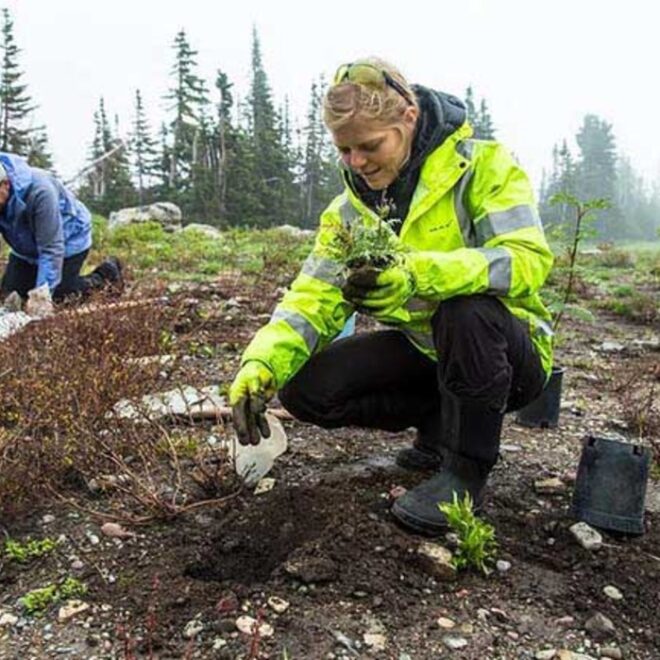
Environmental Protection, with a Side of Small Business
By Brian Owens. Conservation takes cash, and philanthropic funding is notoriously fickle. To secure the future of its environmental efforts, this Dominican nonprofit is trying something new: making booze. When Hurricane Maria swept through the Caribbean in 2017, tiny Dominica was hit particularly hard—howling winds and torrential rain damaged or… SEE MORE
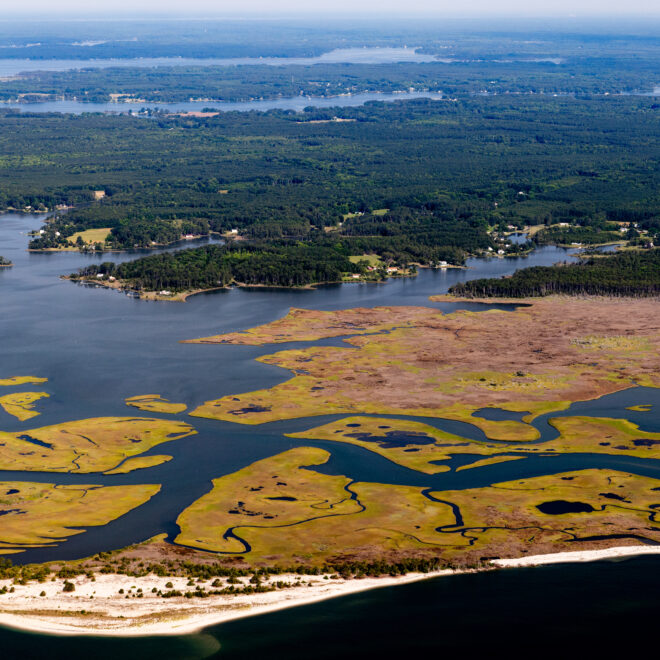
Protecting and Restoring Habitat in Virginia’s Middle Peninsula
By fisheries.noaa.gov. Healthy wetlands and oyster reefs support fish, wildlife, and communities. Virginia’s Middle Peninsula is a beautiful part of the Chesapeake Bay watershed—both on and off the water. But it faces challenges due to climate change, a lack of capacity to restore habitat, and rural coastal economic hardship. While the Middle… SEE MORE
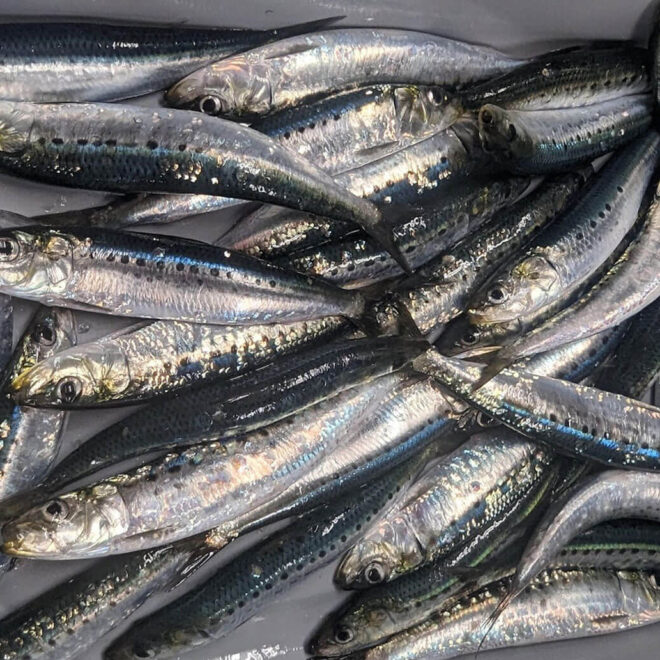
Surprise! Japanese Sardines Astonish Scientists by Crossing the Pacific to the West Coast
By fisheries.noaa.gov. Next generation genomic sequencing of Pacific sardine reveals not one, but two species of sardine in the California Current in 2022 and 2023. When research scientist Gary Longo first saw the results of his genomic analysis of sardines, he thought he must have mixed up his samples. Besides… SEE MORE
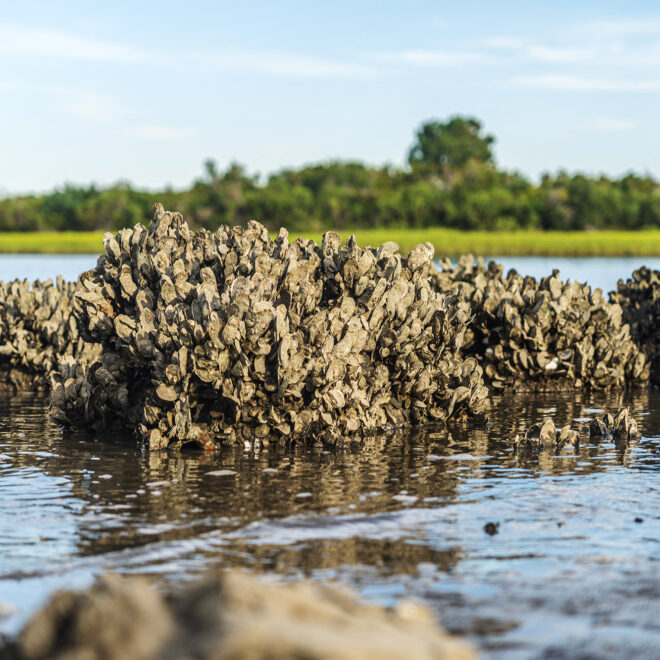
Celebrating Oysters During Oyster Week
By fisheries.noaa.gov. It's Oyster Week 2024! We're celebrating by honoring one of our favorite shellfish all week with special features. Oysters are remarkable. They provide many benefits to the ecosystem they live in. They are filter feeders—they clean the water as they eat. And they grow in reefs, which provide… SEE MORE
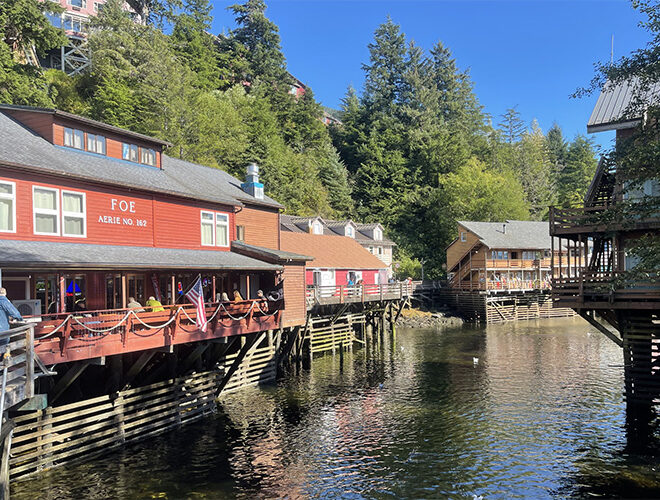
Connecting Aquaculture Enthusiasts from Across the World
By fisheries.noaa.gov. Ketchikan, Alaska hosts the third annual Seagriculture, USA International Seaweed Conference. Members of the NOAA Fisheries Alaska Region Aquaculture team attended the international seaweed growing conference Seagriculture, USA Sept.11-12 in Ketchikan, Alaska. The 2024 conference marks the event’s debut in Alaska, an exciting distinction for the growing Alaska aquaculture industry. Participants… SEE MORE
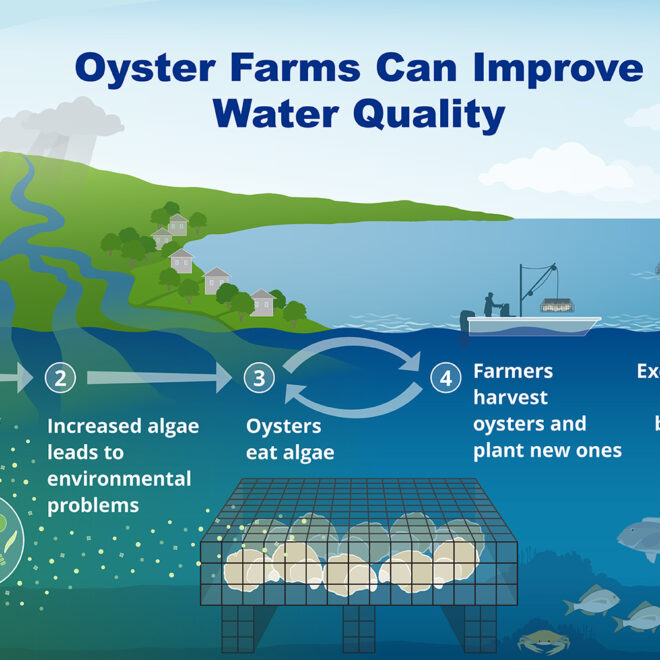
New Calculator Helps Oyster Growers Measure the Water Quality Benefits of Farms
By fisheries.noaa.gov. The new tool provides a science-based estimate of how much nitrogen oyster farms remove from local waterways. It generates a report that can be used in the aquaculture permitting process. When it comes to removing excess nutrients from waterways, shellfish are a powerhouse. The NOAA Milford Lab in Connecticut studies… SEE MORE